
How to Prepare Your Home for Painters: A Practical Checklist
A little preparation on your side keeps the job on schedule and the house livable. Here is what to do, and what you can leave to the crew.
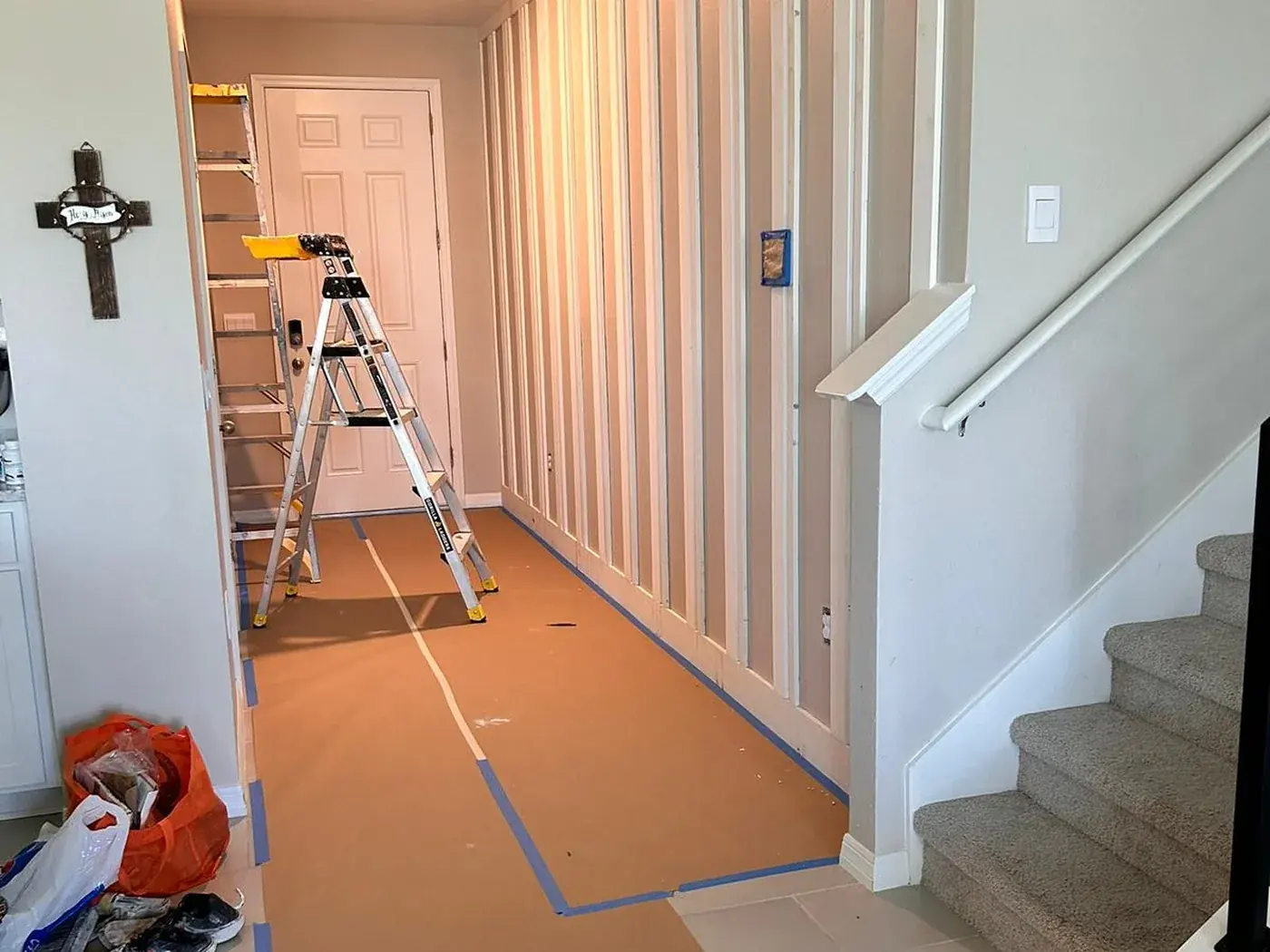
To prepare your home for painters, you need to do four things: settle colors and any HOA approval early, put away anything valuable or fragile, clear access to the walls being painted, and plan for pets, parking and daily routines. Moving furniture, covering floors, masking, patching and cleanup are the painter's job, and a good crew will not expect you to do them. The checklist below runs in the order it usually happens, with Florida specifics for exteriors, condos, rentals and seasonal homes.
Two weeks or more before the start date
Lock in colors
Color changes after the paint is ordered cost time. Look at large samples on the actual wall in both morning and late afternoon light, because Florida sun and a pool behind the lanai can shift a color more than you expect. For an interior painting job, write down which color goes in which room and which sheen goes on trim, doors and ceilings, and give the list to the painter.
Get HOA approval in hand
Most deed-restricted communities in Lakewood Ranch, North Port and Venice require architectural review approval for exterior color changes, and some for repainting the same color too. We can paint sample boards for you to submit and we wait for the ARC decision before starting. The homeowner or the board submits the application. Plan on a few weeks, since many committees meet only once a month.
Ask the condo office about rules
Condo buildings often set contractor hours, require elevator pads and reservations, ask for the contractor to be registered with the office ahead of time and limit where trucks can park. Call management, ask for the contractor rules in writing and share them with us. It is the single most common cause of a lost first morning.
Tell us about the age of the house
If the home was built before 1978, older layers may contain lead paint. We test first and follow lead-safe work practices when sanding or scraping. Textured ceilings from before the 1980s get an asbestos test before anyone scrapes them. Both questions are easier to answer at the estimate than on the first day.
The week before: inside the house
- Take down art, mirrors and photos from the walls being painted. Leave the nails in or take them out, either way, but tell us if you want the same hooks back in the same spots.
- Pack away small and fragile items — lamps, vases, frames on shelves, electronics, anything sentimental. We move and cover furniture, but nobody should be carrying your grandmother's china.
- Empty closets if they are part of the job. Shelves, rods and floors need to be clear.
- Clear bathroom and kitchen counters in rooms that are being painted.
- Decide on large furniture. Pianos, heavy armoires and beds with complicated frames are better discussed ahead of time. We can paint around them or you can arrange to have them moved.
- Put valuables and medications away in a room that is not being painted.
If you would rather empty a room completely yourself, that is fine and it speeds things up. Tell us at the estimate so the quote reflects it.
The week before: outside the house
Exterior jobs start with washing, so most of the outside prep is about access and water.
- Trim shrubs and palms back from the walls by about 18 inches so the crew can reach the stucco and the paint is not rubbed off by branches.
- Move patio furniture, grills and planters away from walls, and clear the lanai if it is being painted or coated.
- Turn off the sprinklers for the days of work. Reclaimed water from irrigation heads leaves spots on fresh paint, especially on the north side.
- Unlock gates and tell us about any dogs in the yard.
- Close windows and pool cage doors on wash day.
The wash itself is part of our exterior painting scope. If you only need the house cleaned between paint jobs, that is a separate pressure washing and soft wash visit.
The day before and the morning of
- Keep the AC running. Set it around 76 to 78 degrees. Moving, dry air is what lets waterborne paint dry between coats in a humid house.
- Plan for pets. Cats and dogs get curious about open doors and wet trim. A closed room, a crate or a day with a friend works better than hoping.
- Clear the driveway or tell us where the truck can park, especially in communities with street parking rules.
- Agree on a bathroom the crew can use, and on which door we come and go through.
- Be reachable for the first hour. A quick walk-through confirms colors, rooms and anything that has changed since the estimate.
What you do not need to do
Do not wash walls, tape trim, remove switch plates or buy paint. Washing, patching, masking, protection and materials are part of the job and written into the quote. Doing it yourself rarely saves money and it can mean redoing steps we would have handled anyway.
Special cases in Southwest Florida
Seasonal homes
Plenty of owners have the house painted while they are up north. Leave a lockbox or key with a neighbor, set the thermostat, make sure the sprinkler timer is off, and agree on progress photos so you can approve colors on screen instead of from memory. There is more on this on our seasonal homeowners page.
Rental turnovers
The tightest schedules are between tenants. Book the painter before the move-out date, not after, and have the unit emptied and cleaned of trash before day one. If the cleaning crew and the painters overlap, put the painters first so the cleaners finish last.
Occupied homes
Most interior jobs run room by room, so you keep a kitchen, a bathroom and a place to sleep. Ask for the room order in advance and plan meals around the kitchen days if cabinets are included.
How your preparation and ours fit together
Your side of the preparation is about access and logistics. Ours is the surface work: washing, scraping, filling, caulking and priming. That surface preparation is listed step by step in the written estimate. If you ask us to drop part of it to save money, the quote says plainly which step is coming out. You can read how a job runs from first visit to final walk-through on our process page.
Getting ready for painters: common questions
Do I have to be home while you paint?
No. Many owners are at work or out of state. We need access, a contact number and a quick walk-through at the start, either in person or by phone and photos.
Should I move all the furniture out?
No. We move furniture to the middle of the room and cover it. Just clear small items, valuables and anything on the walls.
Can we stay in the house during an interior repaint?
Yes. Rooms are done in an agreed order so the house stays usable. Low-odor waterborne paints and a running AC make it comfortable for most families.
How far ahead should I book?
Winter and spring fill up first on this coast. For exteriors that need HOA approval, start the conversation a month or more ahead.
Painting advice for Florida homes
 Planning
Compare Painting Estimates
Three quotes, three different numbers. Compare scope, prep, coats, products and the walk-through to see which estimates describe the same job.
 Paint & Products
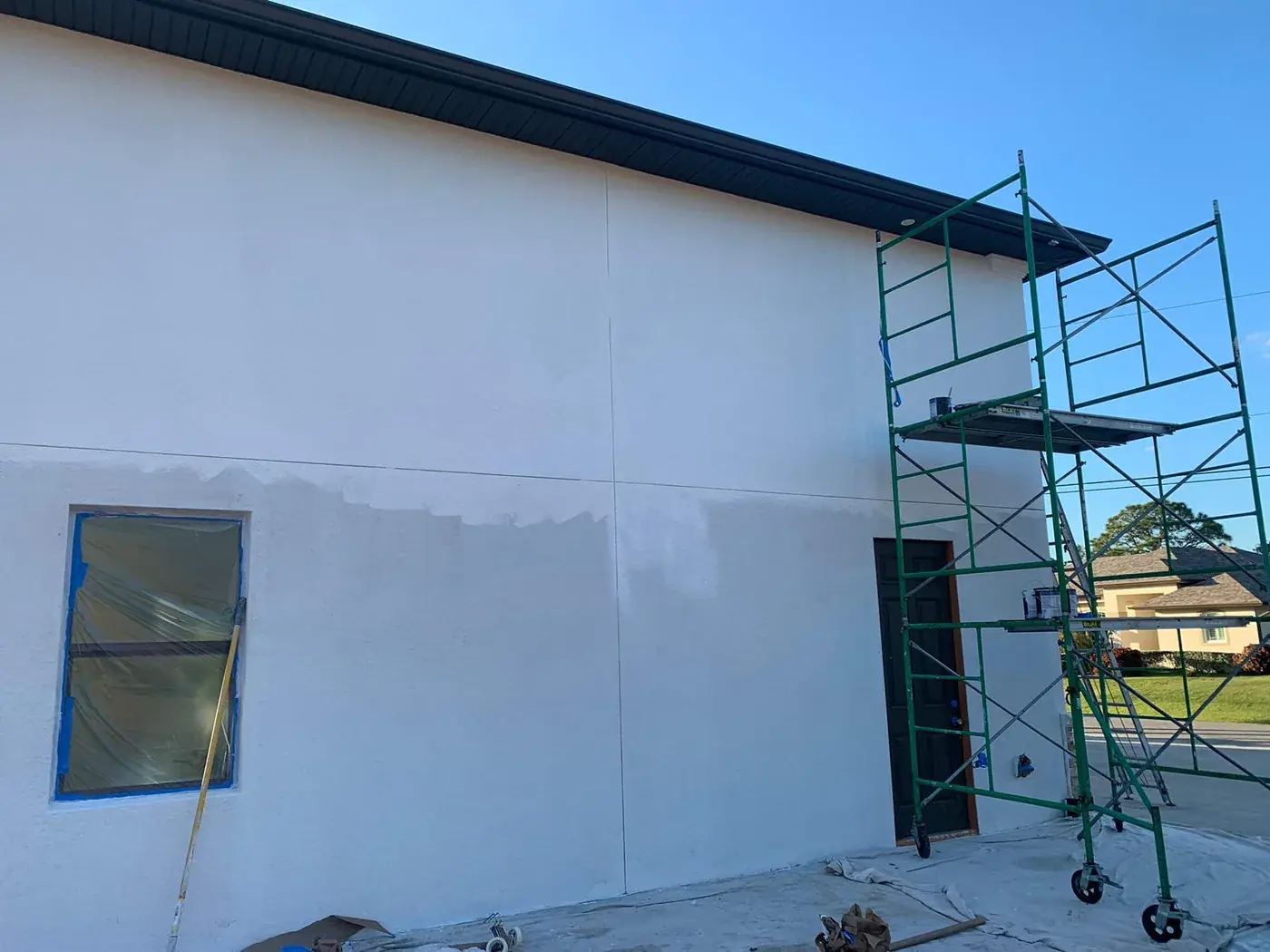
Choosing Exterior Paint
Selecting the right exterior paint is essential for Florida homes. Discover how to balance durability and cost when choosing products for your stucco exterior.
 Interior
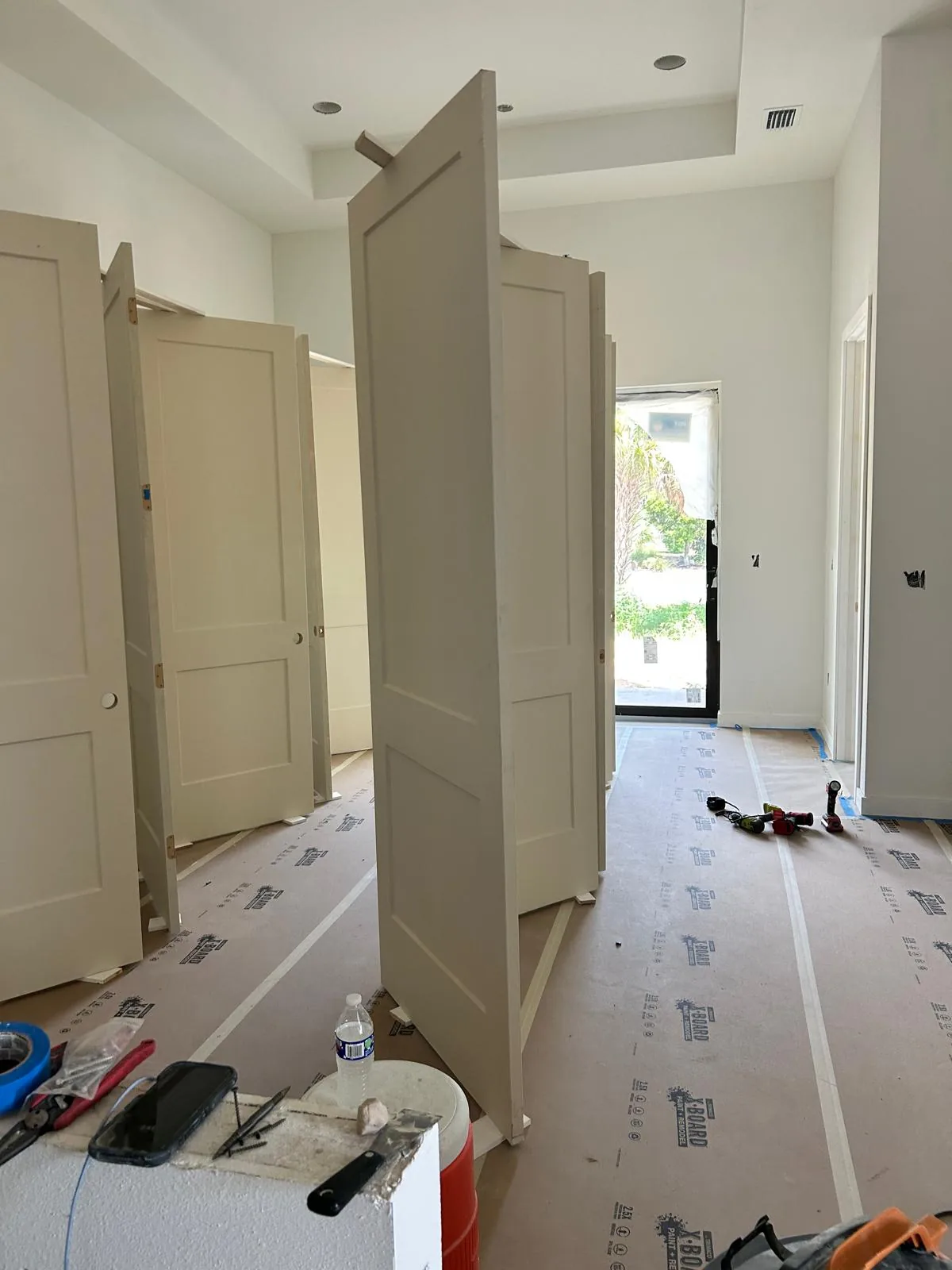
Painting Interior Doors
Painting interior doors is a high-impact project that transforms a room. Discover why professional preparation and spraying are the keys to a factory-like finish.
 HOA
HOA Color Approval
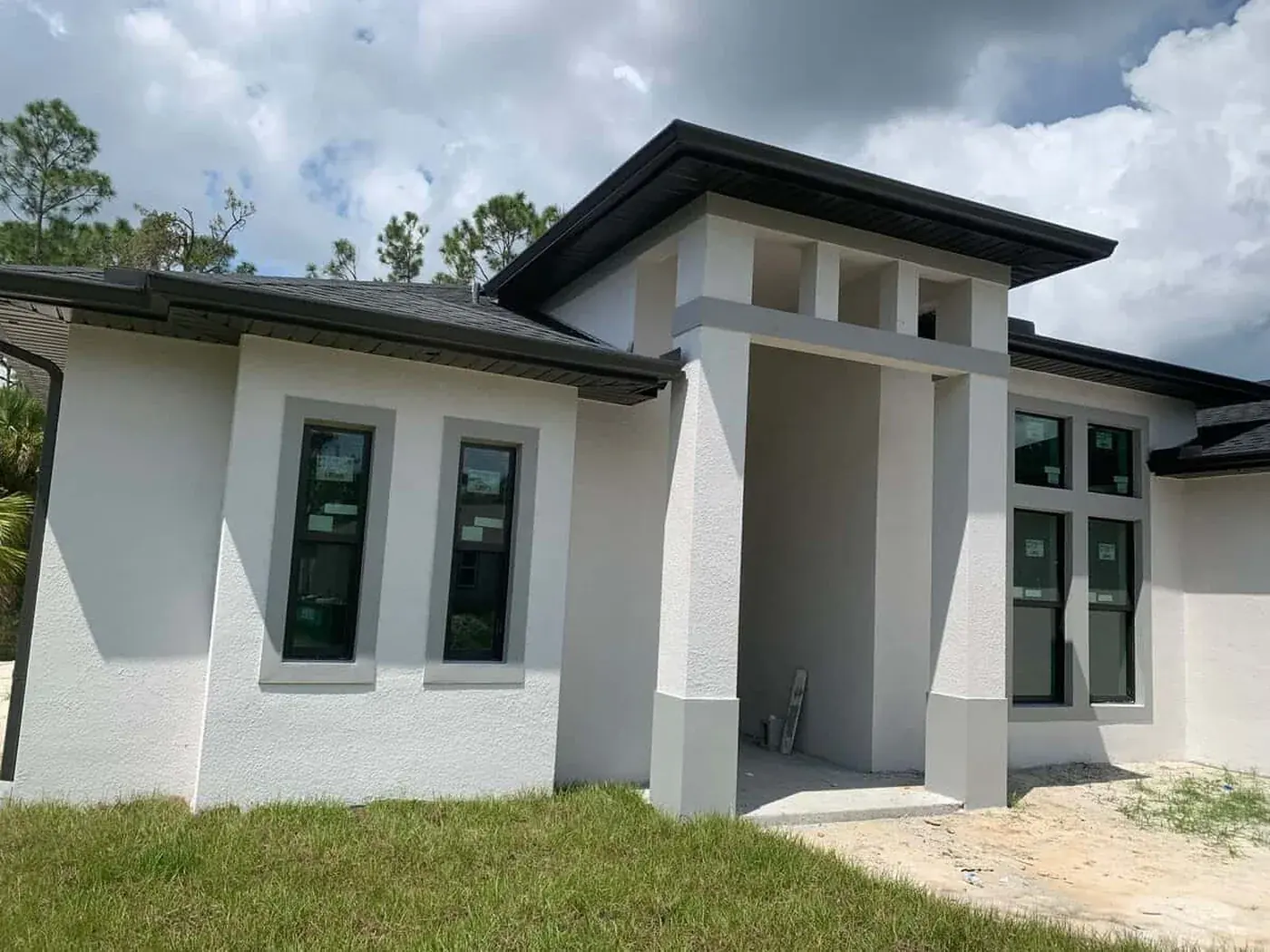
Most Florida HOAs need written ARC approval before you change, or even refresh, exterior colors. Here is what to submit and how to avoid delays.
Ready to put a date on it?
Tell us which rooms or surfaces and roughly when. You get a detailed written quote and a clear list of what we handle.