
How to Compare Painting Estimates (and Spot the Cheap One)
Painting quotes that look far apart are often describing different jobs. Line them up the right way and the gap usually explains itself.
To compare painting estimates fairly, put them side by side and check five things before you look at the total: the exact scope, the preparation, the number of coats, the specific products and how the job is closed out. Two quotes that agree on all five are comparable, and the price difference between them is real. When one quote is much lower, it almost always leaves out part of the preparation, a second coat or both. That is the cheap one, and it is cheap because it is a smaller job.
Start with the scope: what is actually being painted
An estimate that says "paint interior of home" is not a scope. A useful one lists the surfaces room by room or elevation by elevation.
- Interior: walls, ceilings, baseboards, door casings, doors (one side or both), closets, window sills, stair rails.
- Exterior: stucco walls, fascia and soffit, window trim, garage door, front door, lanai ceiling, pool cage, columns, block walls.
- Colors: how many, and whether accent walls or a different trim color are included.
If one painter included closets and the garage door and another did not, the totals are not comparable yet. Ask each one to confirm the same list in writing. On an exterior painting quote, also check whether the lanai and the pool cage are in or out, because they are often priced separately in Southwest Florida.
Preparation: where cheap estimates save money
Preparation is the most labor-intensive part of a paint job and the easiest to leave out of a quote. It is also what decides whether the paint is still sound in five years. Look for each of these in writing:
- Washing. Exteriors here carry mildew, pollen and salt film. A proper wash, and a soft wash where algae is present, comes before anything else. Our pressure washing and soft wash page explains the difference.
- Crack and patch repair. Hairline cracks in stucco get filled with an elastomeric patch so they do not show through. Inside, nail holes, dings and seam cracks get filled, sanded and spot primed.
- Scraping and sanding of loose or peeling paint, especially on fascia and around windows.
- Caulking of gaps at trim, windows and doors.
- Primer where it is needed: bare stucco patches, stains, glossy surfaces, big color changes.
If an estimate says only "prep as needed," ask what that means. "As needed" means whatever fits the price. The stucco and brick painting page shows what crack repair involves on a typical block home.
Older homes need extra lines
If the house was built before 1978, older layers may contain lead paint. A careful painter mentions testing first and lead-safe work practices for scraping and sanding. Older ranch homes with popcorn ceilings need an asbestos test before ceiling work. If neither comes up on a quote for a 1970s house, ask.
Coats: one is not two
Two finish coats is the standard for a reason. One coat often looks fine the day the painter leaves and then shows thin spots, roller marks and uneven color once the sun moves around. On exteriors, a single coat wears through faster on the south and west walls.
Watch for wording like "full coverage" or "one coat plus touch-up." Neither one tells you how many coats go on. A quote should state the number of finish coats on each surface, and whether a primer coat is separate from them.
Products: brand is not enough
"Sherwin-Williams paint" covers everything from contractor-grade lines to premium exterior coatings. The product line matters more than the brand name. A comparable estimate names the line and the sheen for each surface. On our quotes that might be ProMar 400 for interior walls and ceilings, or a Behr Premium Plus, Benjamin Moore or Florida Paints product where a tougher or more weather-resistant film is needed.
If two quotes use different lines, ask each painter why. A good answer explains the surface and the exposure. A vague answer usually means the cheapest product on the shelf.
The finish: how the job is closed out
Check how each quote says the job ends. Three things are worth asking: who walks the finished work with you, when touch-ups are made and when the final payment is due. Ours ends with a walk-through together, and touch-ups noted there are done before we leave and before final payment. If you ask us to cut the prep to lower the price, the quote says in plain words which step is coming out. Be wary of big promises on quotes that skip washing or crack repair. The paint cannot outlast the surface it sits on.
A quick side-by-side test
Write each estimate's scope, prep steps, coats, product lines and close-out steps in five rows. Any blank cell is a question to ask before you sign. Once the rows match, the totals are finally comparable.
Other things worth comparing
Written price or open-ended
Whatever the pricing method, ask that it is written down: what is included, how extras are charged and what happens if something unforeseeable turns up. A clear written number is easier to compare than an open-ended "time and materials" figure. On our jobs, if something truly unforeseeable turns up, we stop, show you and agree the cost before continuing.
Schedule and payment
Ask when the job starts, how many working days it takes and how payments are staged. A large payment in advance for a small job is worth a second look.
HOA and condo handling
In deed-restricted communities from North Port to Fort Myers, color approval is part of the timeline. Ask whether the painter will prepare sample boards for the ARC submission and wait for approval before starting. We do both; the homeowner or the board submits.
Cleanup and protection
Floor protection, furniture covering, daily cleanup and removal of empty cans should be on the quote, not assumed.
Using price ranges as a sanity check
Our pricing page shows typical ranges for this area. If one estimate sits far below the bottom of a range, check the five rows again. Usually the difference is preparation or the second coat. You can also see how we build a quote, from first visit to written price, on our process page.
Comparing painting quotes: common questions
How many painting estimates should I get?
Three is usually enough to see the market. More than that tends to add confusion unless the scopes are written the same way.
Is the cheapest painting estimate always a bad choice?
Not always. Sometimes a painter is simply less busy. But if the low quote is missing prep steps or a coat that the others include, it is a different job, not a better deal.
Can I ask a painter to match another quote?
You can ask. We will match the scope, not the number. If the lower quote skips steps, we can remove the same steps, and the quote will say which ones.
Should the estimate be in writing?
Always. A written estimate with scope, prep, coats and products is the only way to compare quotes and to know what you paid for.
Painting advice for Florida homes
 Planning
Prepare Your Home for Painters
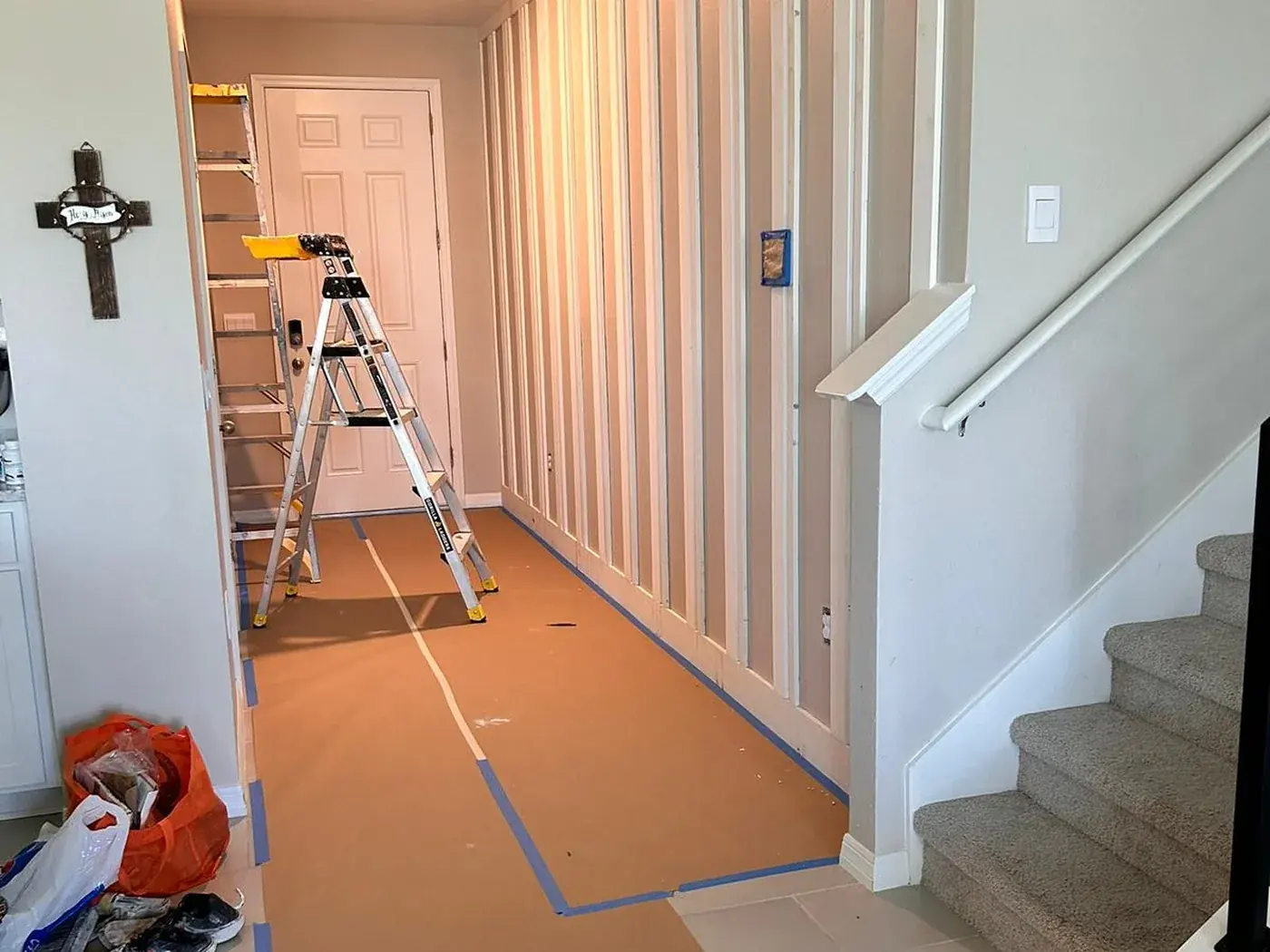
What to sort out before the painters arrive: colors and HOA approval, valuables, sprinklers, pets, parking and condo rules, plus what the crew handles itself.
 Paint & Products
Choosing Exterior Paint
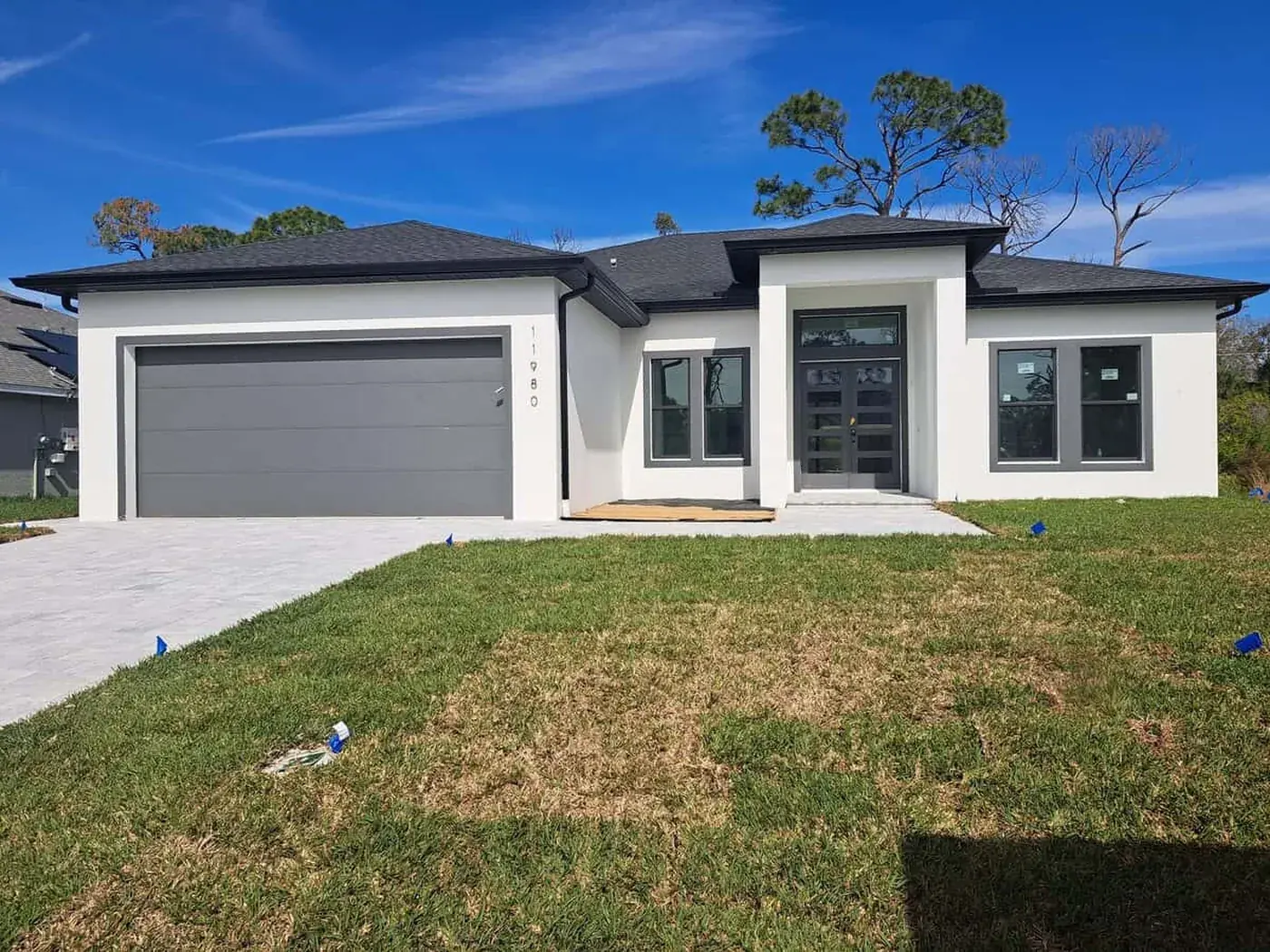
Selecting the right exterior paint is essential for Florida homes. Discover how to balance durability and cost when choosing products for your stucco exterior.
 Interior
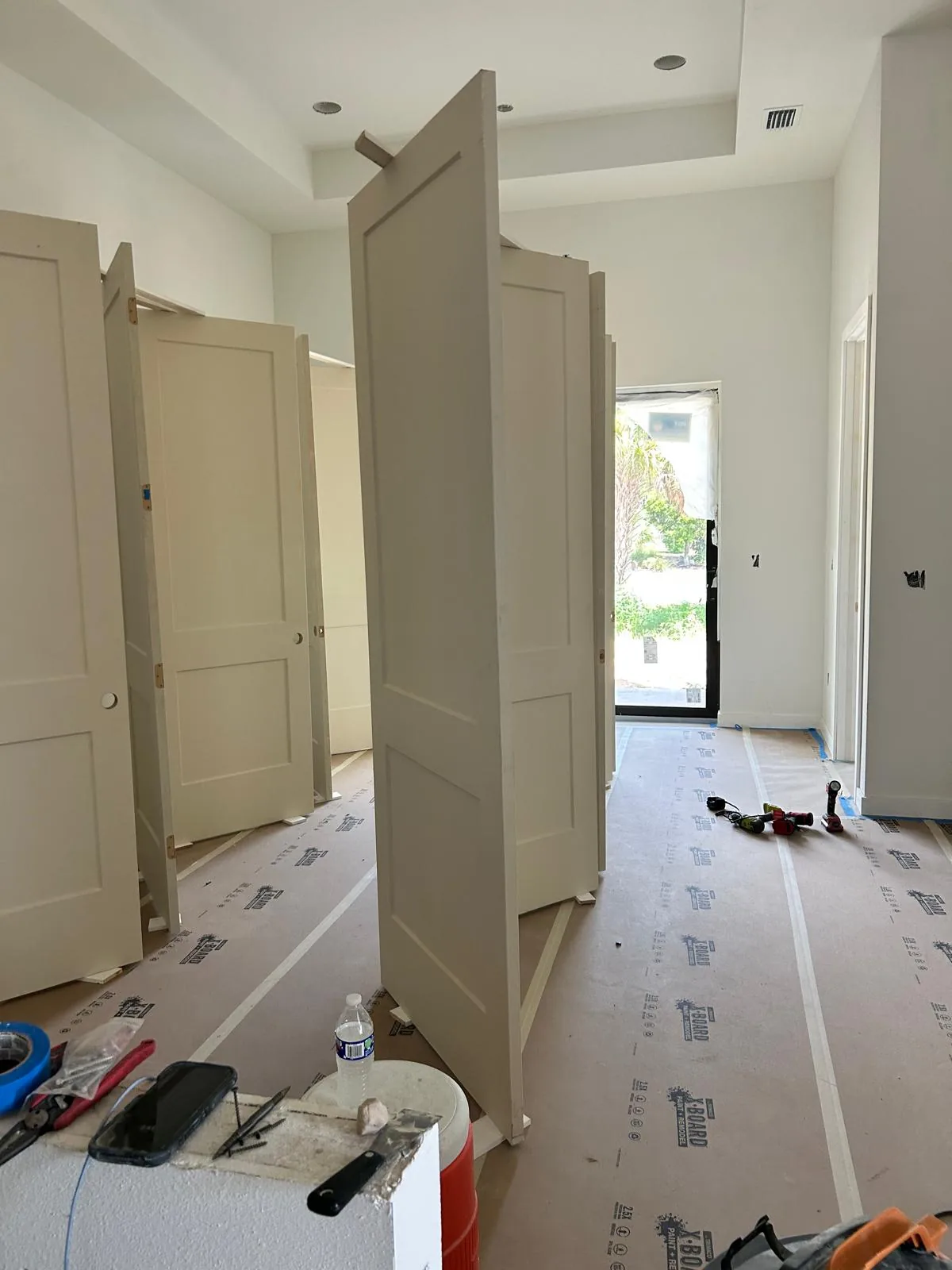
Painting Interior Doors
Painting interior doors is a high-impact project that transforms a room. Discover why professional preparation and spraying are the keys to a factory-like finish.
 HOA
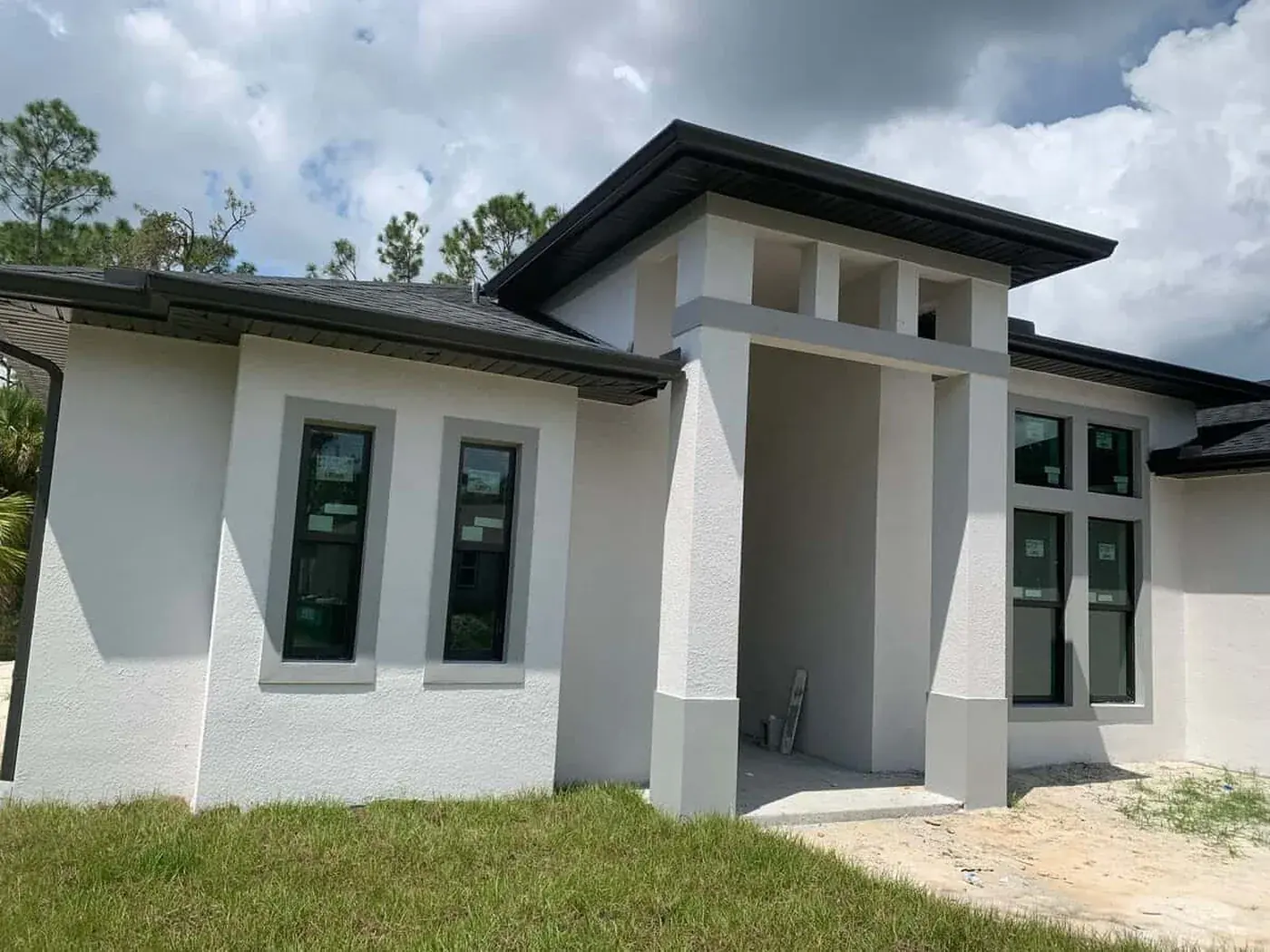
HOA Color Approval
Most Florida HOAs need written ARC approval before you change, or even refresh, exterior colors. Here is what to submit and how to avoid delays.
Want a quote you can compare line by line?
Our written estimates list the scope, preparation, coats and products. It is free and there is no obligation.