
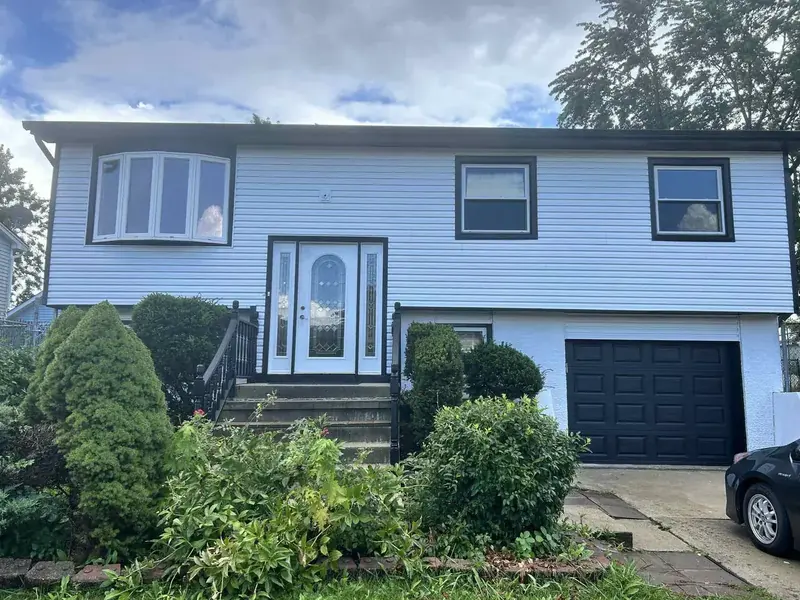
Choosing Exterior House Paint for Florida Homes
Choosing the right exterior house paint for Florida homes involves more than just picking a color. The intensity of our sun, the humidity, and the salt air require specific formulations to keep your home protected and looking clean for years.
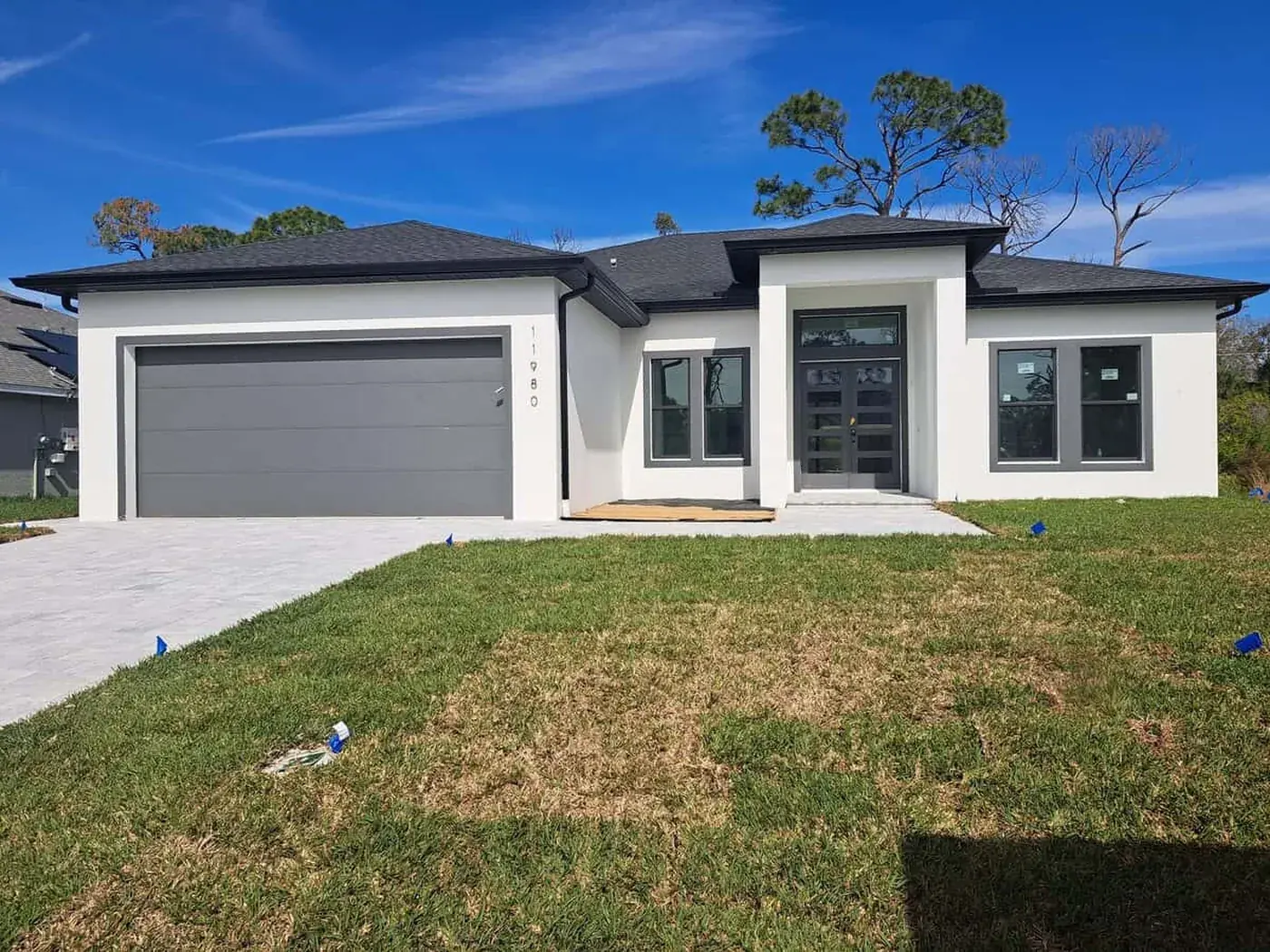
Why your choice of paint matters in Florida
In Southwest Florida, exterior surfaces face extreme conditions. Between the high UV index, heavy summer rain, and salt air found near the coast in places like Clearwater, FL, an exterior coating works harder here than it would in most other parts of the country. A high-quality exterior paint does not just provide color; it provides a flexible, moisture-resistant barrier for your block and stucco walls. Without this barrier, the porous nature of stucco allows water to infiltrate the concrete, which leads to staining, efflorescence, and eventual structural stress.
We work with various product lines from Sherwin-Williams, Benjamin Moore, Behr, and Florida Paints. Each line offers different advantages based on the level of exposure your home receives. Choosing the right product means understanding what a specific paint line is engineered to do. For example, some paints are formulated to handle high levels of UV radiation, while others prioritize elasticity to bridge small cracks during thermal expansion.
The importance of surface preparation
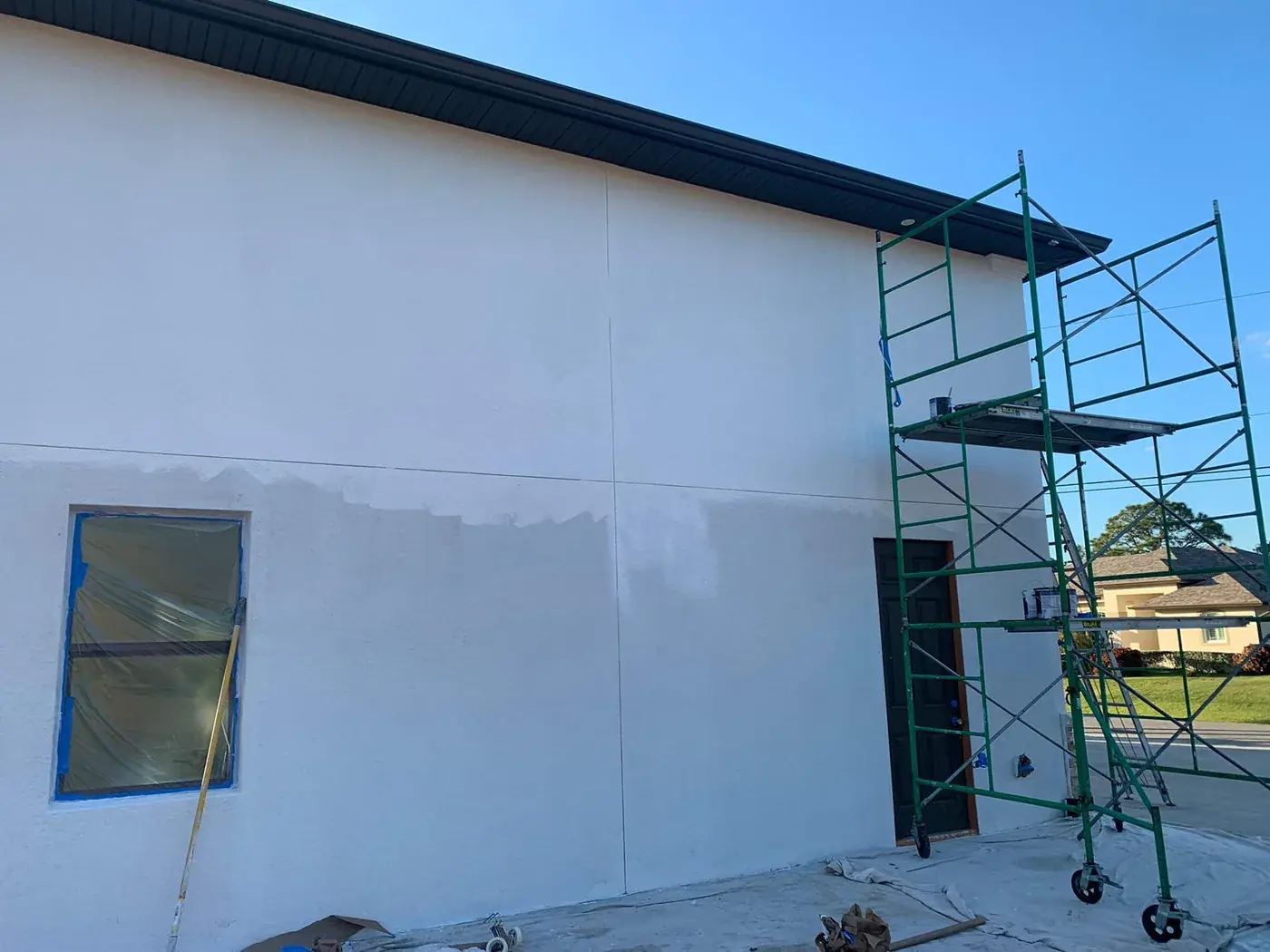
Before you select a brand or product, remember that even a premium coating will fail if applied to a poorly prepared surface. Painting is a multi-step process that requires a clean foundation. Our exterior painting service always includes a thorough approach to ensure the paint has an excellent chance to bond. The preparation phase is where the longevity of the job is decided.
- Washing. Removing chalk, mildew, and salt film is the first step. Without this, paint adheres to dust rather than the masonry. We use soft wash and pressure wash techniques depending on the surface sensitivity.
- Crack repair. Hairline cracks must be opened and filled with flexible sealant so they do not telegraph through the new finish. This process creates a smoother, more uniform surface.
- Caulking. Window frames and door joints need high-quality, flexible caulk to prevent water intrusion. Old caulk dries and cracks; removing and replacing it is essential.
- Priming. Using the right primer on patches, bare stucco, or chalky areas ensures an even finish and proper adhesion. Primer is the bridge between the old surface and the new topcoat.
Comparing paint lines for exterior surfaces
When you look at your written estimate, you will see a specific product line mentioned. We avoid generic terms like "exterior paint" because different lines are built for different environments. This table summarizes how we typically approach product selection based on your home's needs.
| Product Line | Key Characteristic | Typical Use Case |
|---|---|---|
| Sherwin-Williams Emerald | High-end resin, UV resistance | South-facing walls, deep colors |
| Sherwin-Williams Duration | Thick, flexible film | Older stucco with movement |
| Benjamin Moore Regal Select | Even sheen, color retention | General stucco, wood, siding |
| Behr Premium Plus | Dependable, budget-friendly | Sound stucco, fresh repaints |
| Sherwin-Williams ProMar 400 | Contractor-grade | Ceilings, closets, quick refreshes |
Factors that influence your paint choice
The exposure your house takes is the biggest factor. A wall that faces the afternoon sun for hours every day requires a more resilient coating than a wall tucked away in the shade. If you are painting a front door or metal garage door, those surfaces heat up differently than masonry and often require a harder enamel, such as Emerald Urethane Trim Enamel, to prevent the coating from softening in the heat. Furthermore, consider the architectural style of your home. Homes in Sarasota or North Port might have different needs based on age and proximity to water.
We also pay close attention to older homes. If your home was built before 1978, we test for lead paint before any scraping occurs. Similarly, for popcorn ceilings or exterior textures in older homes, we follow all necessary safety precautions. You can read more about how we work on our process page.
Sun exposure and color choice
Darker colors absorb more heat and tend to fade faster in our intense sunlight. If you have your heart set on a deep tone for a west-facing wall, ask us about product lines rated for high UV resistance to keep that color looking fresh for longer.
The painting process: how we ensure longevity
Thorough assessment
We start by checking the condition of your stucco, the integrity of existing caulk, and how much chalking is present on your current walls.
Cleaning and preparation
We wash the home to remove organic growth and dirt, then repair cracks and renew caulk joints according to the scope in your estimate.
Precision priming
We apply primer to patches and porous areas, ensuring the finish coats have a uniform base to grip onto.
Two finish coats
We apply two full finish coats as our standard. This builds enough film thickness to protect your home effectively against the Florida climate.
Understanding moisture and breathability
Florida stucco is porous and absorbs moisture. Paint for this surface must be breathable, meaning it allows trapped moisture vapor to escape from within the wall while shedding liquid water from the outside. If you use a non-breathable coating, moisture can become trapped behind the paint, leading to blistering or peeling. This is why we carefully evaluate your home's current coating before applying anything new. If a previous painter used the wrong system, we may need to use a specialized primer to stabilize the wall before applying a modern, breathable acrylic system.
The seasonal schedule
Florida weather is a huge factor in planning exterior painting. From June to September, the daily afternoon storm window is a reality. We schedule our work to ensure that paint is applied during the morning hours when walls are dry and the humidity is lower. We never leave an exterior wall partially finished during the threat of rain. By planning your project during the drier months, we can maintain a more consistent workflow.
HOA considerations
In many deed-restricted communities, you do not always have full freedom over which paint brand you use. Many HOAs maintain a specific list of approved products, manufacturers, and color schemes. We are accustomed to navigating these requirements. Once you provide the HOA specifications, we ensure your estimate aligns with them. If you need assistance, we can prepare sample boards to help you get your project approved by the committee quickly. You can read more about how we handle this in our guide to HOA color approval.
Beyond the regulations, we aim to ensure that your home's color palette complements the neighborhood. Whether you are in a gated community in Lakewood Ranch or an established neighborhood in Port Charlotte, our goal is a clean, professional finish that enhances your home's appearance while meeting all local requirements. By following these guidelines, you can ensure your home stays protected against the elements for the next several years.
Frequently asked questions about exterior paint
Why do you recommend two coats instead of one?
One coat rarely creates a thick enough barrier to withstand the intense UV light and rain we experience in Florida. Two coats provide uniform coverage, better protection for your stucco, and a more durable finish that wears evenly over time.
Is a more expensive paint always the right choice?
Not necessarily. We match the product to the surface and your needs. For a wall that is in sound condition and out of direct sun, a high-quality standard line works very well. For surfaces with high exposure or significant fading, a premium line with advanced resins offers superior longevity.
What is the recommended way to handle cracks in my stucco?
Hairline cracks should be opened slightly and filled with a flexible elastomeric patch before painting. This allows the filler to bridge the gap and expand with the building, preventing the crack from reappearing through your new coat of paint.
Painting advice for Florida homes
 Interior
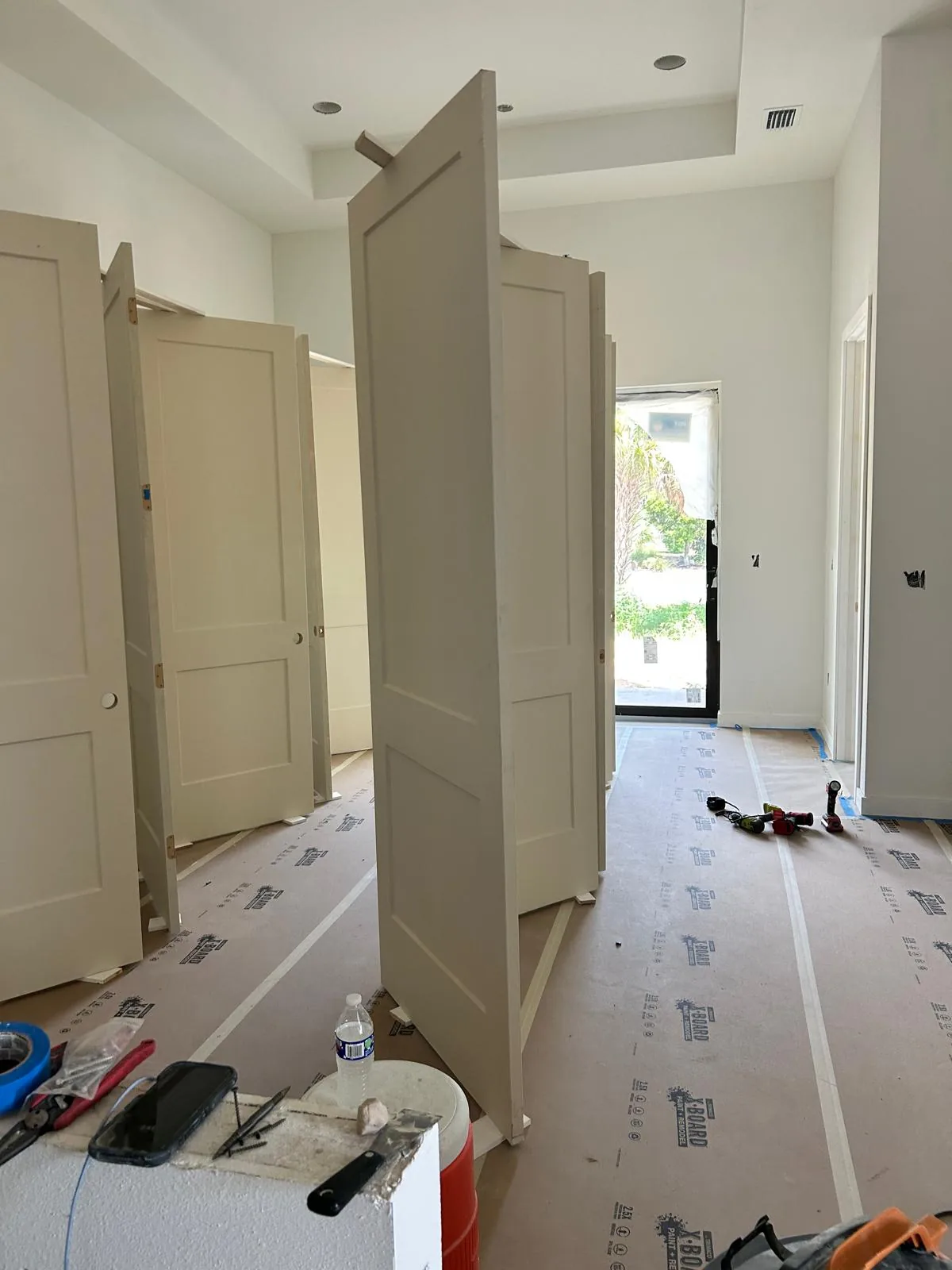
Painting Interior Doors
Painting interior doors is a high-impact project that transforms a room. Discover why professional preparation and spraying are the keys to a factory-like finish.
 HOA
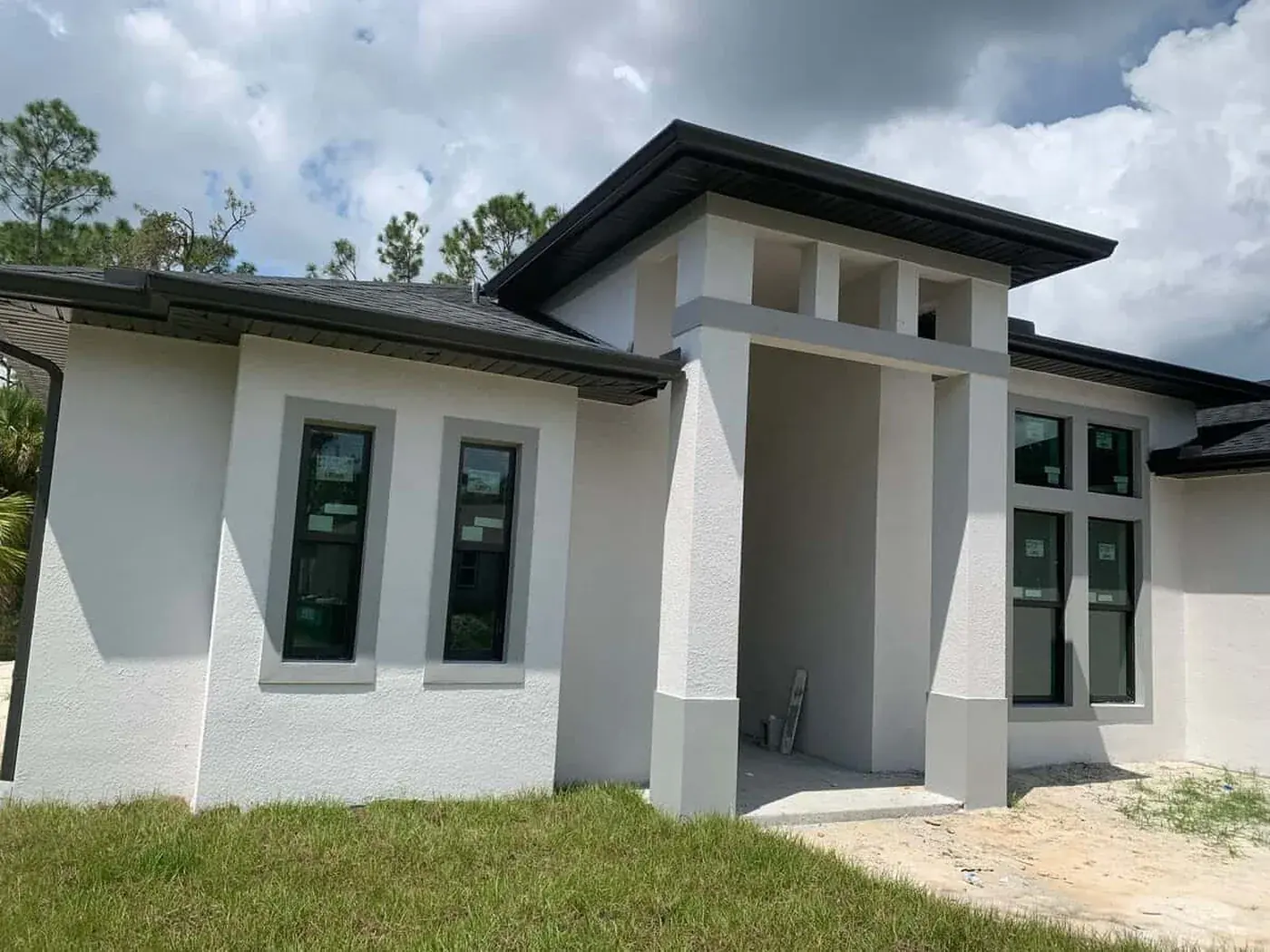
HOA Color Approval
Most Florida HOAs need written ARC approval before you change, or even refresh, exterior colors. Here is what to submit and how to avoid delays.
 Planning
Compare Painting Estimates
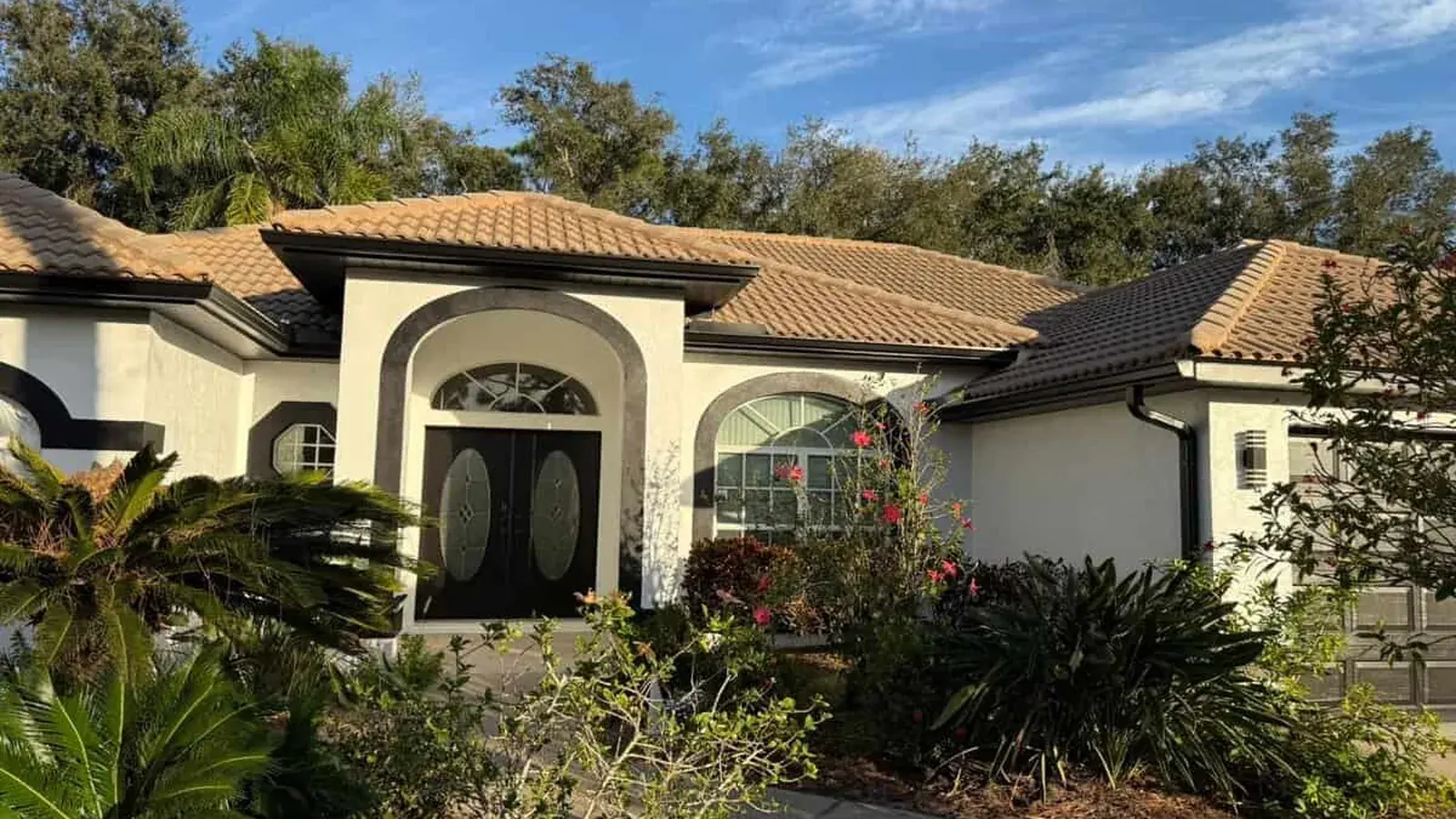
Three quotes, three different numbers. Compare scope, prep, coats, products and the walk-through to see which estimates describe the same job.
 Stucco
Elastomeric vs. Acrylic
Acrylic suits most sound Florida stucco. Elastomeric earns its cost on dry walls with lots of hairline cracks. Here is how to tell which one your house needs.
Ready to protect your home?
Every home has unique needs, from the type of stucco to the amount of daily sun exposure. We provide free, detailed written estimates that break down the scope, the prep, and the exact products we recommend for your house. Reach out to schedule your walkthrough.