


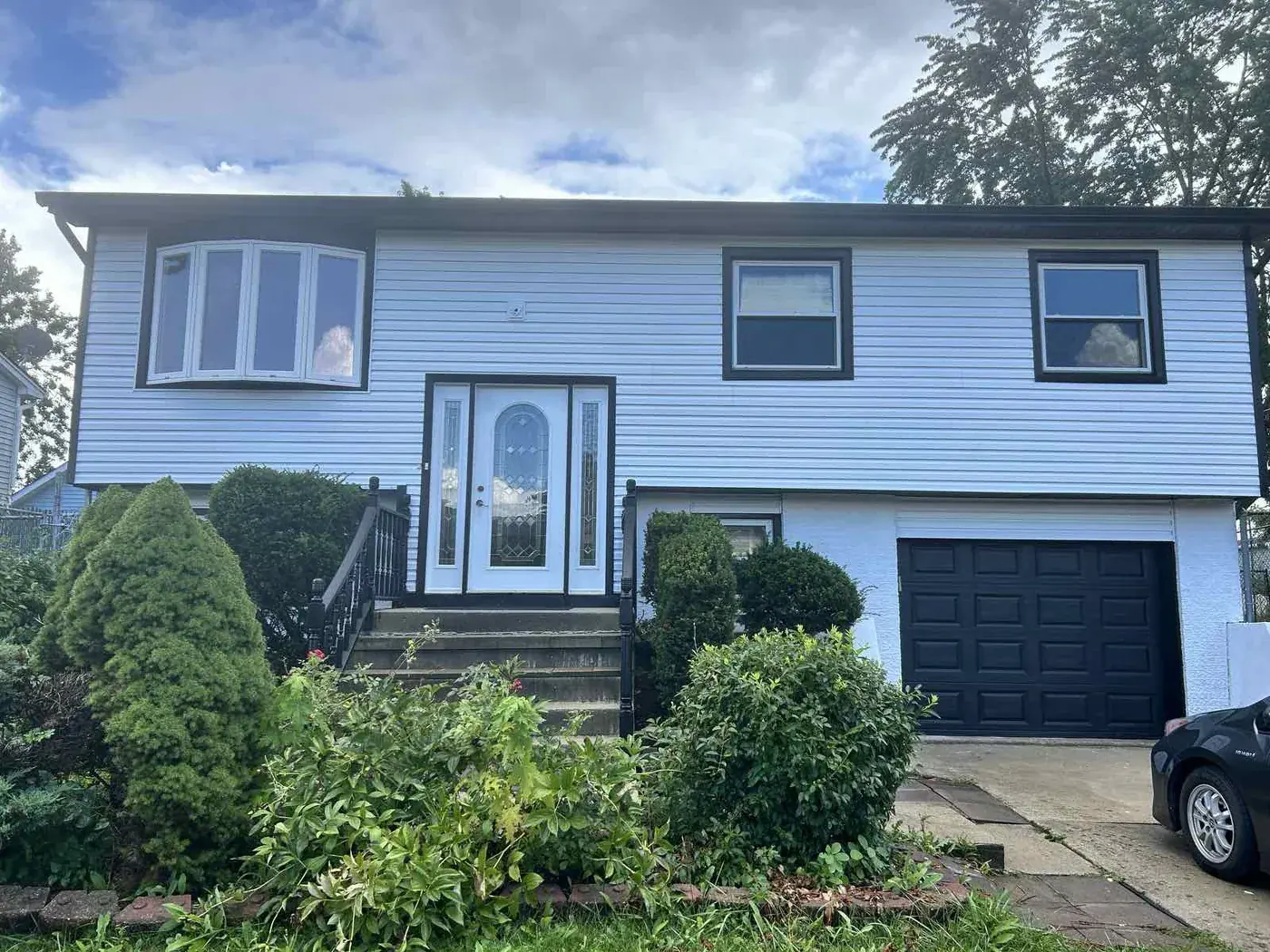
Residential painting, whole homes inside and out
When the inside and the outside both need doing, running them as one project is cheaper and far less disruptive than booking two separate jobs months apart.
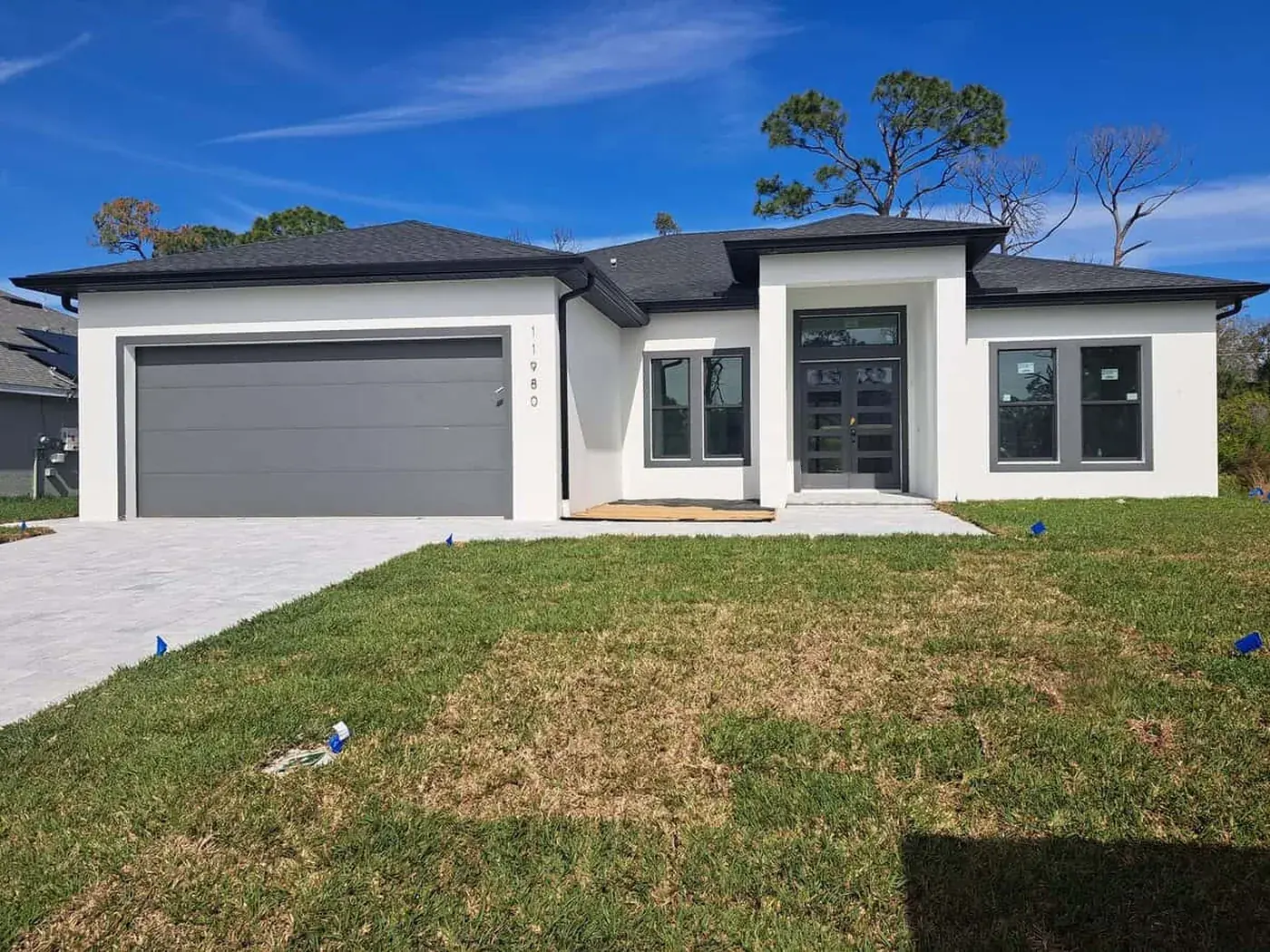
Most of our work is houses: a room, a hallway, a full interior, an exterior repaint, or all of it at once when someone has just bought a place and wants it sorted before they move in properly.
The advantage of doing it together is sequencing. Exterior work happens around the weather, interior work happens around your life, and one schedule juggles both instead of two contractors each optimizing for themselves.
Who we usually work for
- Homeowners refreshing a house they have lived in for years
- New buyers who want the whole place painted before the furniture arrives
- Sellers getting a property ready to list, where a neutral repaint pays for itself
- Seasonal residents — the work happens while you are north and the house is ready when you land
- Landlords turning a rental between tenants on a tight window
- Communities with color rules, where approval has to come before the first coat
Painting a house while you are not in it
A lot of homes here sit empty for part of the year, and that is genuinely the easiest time to paint one. Empty rooms mean no furniture to move, no dust sheets over someone's life and no negotiating around bedtimes.
We handle that with photos at each stage so you can follow the job from wherever you are, and a walkthrough on video before we call it done.
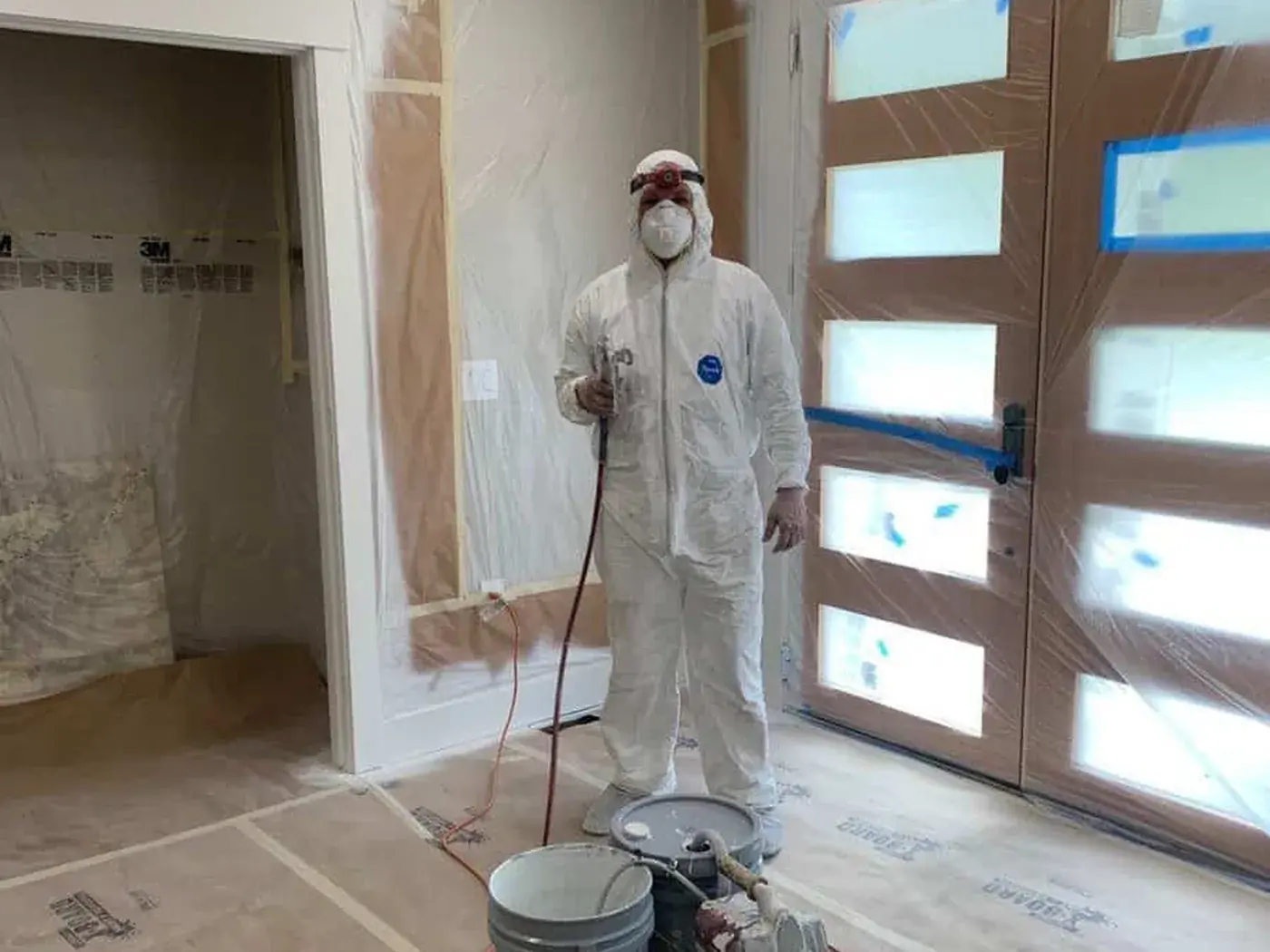
One quote, no drip pricing
The estimate covers preparation, materials, coats and clean-up as a single number. If something turns up behind a wall that nobody could have seen — soft drywall, rotten trim — we stop, show you, and price it before continuing.
How a whole-house repaint actually runs
A full house is a sequence, and knowing it removes most of the anxiety. It starts with a walkthrough where we measure, look at the substrate, check the soffits and fascia, open a closet door to see how the trim was finished originally, and write down what needs repair rather than paint. You get a written fixed price off that visit, itemised by area, with the number of coats stated. Estimates are free and the price does not move unless the scope does.
Exterior generally goes first if both are in the scope, because it is weather dependent and the interior is not. The outside runs wash, dry, repair and caulk, prime the repairs and any bare areas, then finish coats on body, trim, doors and soffits. Then the crew moves inside and works room by room so the house stays livable.
Each day ends with the site put back: tools consolidated, drop cloths folded rather than left spread across the floor, doorways passable. The last step is a walkthrough with you holding the list, marking anything that needs another look, and those items get finished before the final invoice rather than after it.
What the written fixed price and the warranty cover
Pricing a house by the square foot of floor area is a guess dressed as a number. A single storey ranch in Venice Gardens with four small windows and a two storey house in Gulf Cove with a wall of sliders and a wrap-around lanai can have the same air-conditioned area and completely different amounts of cutting-in. So the quote is built from what is actually there: surfaces, condition, coats, prep hours and access.
What is written is what is warranted. There is a one year workmanship warranty on the painting, tied to the scope in the written quote. If we applied it as specified and it peels, flashes or fails from how it was applied, we come back and make it right.
The flip side is stated in writing too. Where a customer chooses to cut back — one coat instead of two on a wall that needs two, skipping a primer we recommended, leaving a repair out to hold the number down — that reduced part is not warranted. We note it on the quote at the time, not afterwards, so there is no argument about it later. Our published approach to pricing works the same way.
Making colour decisions across a whole house
Colour is where whole-house projects stall. The reliable method is not a fan deck under kitchen lights. Paint sample boards, look at them on the actual wall at three different times of day, and look at the exterior colour on the elevation it will live on — a beige that reads warm on the shaded east wall goes noticeably lighter and flatter on the west side under afternoon sun.
Inside, a whole house usually wants one wall colour through the open areas, a ceiling white, and one trim colour used everywhere, with variation saved for bedrooms and an accent wall or two. Sheen changes by room: flat ceilings, eggshell on living-area walls, something scrubbable in baths and laundry, satin or semi-gloss on trim and doors.
If you are in a deed-restricted community, the exterior colour is not entirely your decision. Many HOAs between Sarasota and Punta Gorda keep an approved palette and require architectural review before work starts. Get the approval in hand first; we will supply the product and colour information the committee asks for, and we plan the schedule around their meeting dates rather than yours.
Timing a full repaint around the Florida year
The calendar shapes residential painting here more than anywhere cooler. From June to November the afternoon storm is the baseline assumption and hurricane season keeps everyone's schedule loose. Exterior work still happens all summer, it just happens in the morning, in sections we can finish and protect, with the day planned so wet paint is never left to meet a 3pm cell.
Dry season, roughly December through April, is when exterior work runs cleanly and it is also when the region is busiest. Interior work fills the wet months well, because with the air conditioning on the conditions inside are more controllable than anything outdoors.
Seasonal owners have the most flexibility and often the best timing. A house that sits empty from May to October can be painted inside and out with nobody working around furniture or pets, using a lockbox, an agreed thermostat setting and photo updates as the work progresses. Pre-listing repaints run on the opposite logic — fast, focused on what a buyer sees first, and worth a conversation about what not to spend money on before the sign goes up.
What people ask about residential painting
Do you work on occupied homes?
Constantly. Most interiors are done with people living in them. We run room by room so you always have a kitchen, a bathroom and a bed.
Can you do just one room?
Yes. There is no minimum job we turn away, though very small jobs are easier to schedule if they can flex by a few days.
Do you supply the paint?
Yes, and it is in the quote. If you have a brand or a product you want used, tell us and we will price it that way.
How do I know what it will cost?
We look at the house, measure what needs doing and give you a written fixed price. No hourly rates, no surprises at the end.
Can we do the exterior now and the interior next season?
Yes, and splitting a project that way is common. Each phase gets its own written scope and price, and the second one is quoted when you are ready rather than locked in a year ahead, since product and colour choices sometimes change in between.
Doing the exterior first is usually the better order if the outside is due, because it is weather dependent and because it protects the building. Interior work can be scheduled into the rainy months.
How do you price a whole-house job — by the square foot?
No. Floor area does not tell you how much surface there is or what condition it is in. Two houses with identical square footage can differ by a third in labour depending on window count, ceiling heights, the amount of trim, and how much repair and caulking the walls need.
So we measure and inspect, then give a fixed written price broken out by area, with the number of coats stated for each. The estimate visit is free and there is no charge for a revision.
We are selling the house. What is worth painting first?
Usually the interior walls in one neutral colour, the trim and doors, and whatever the front elevation shows — entry, garage door, the wall a buyer photographs. Those carry the most weight per dollar in a listing.
What is often not worth it before a sale: full cabinet refinishing, specialty finishes, and repainting a rear elevation nobody walks around to. We will say which parts of a wish list we would skip if it were our own listing.
Do you move furniture and take down pictures?
We move what is reasonable — furniture to the centre of the room and covered, small items shifted, switch plates and vent covers off. Wall hangings, mirrors, televisions, electronics and anything fragile or valuable we ask you to take down and store before we start.
If the house is empty or you are away for the season, none of this applies and the work runs faster, which shows up in the schedule rather than as a surprise on the invoice.
Residential Painting near you
We work across Sarasota and Charlotte counties from our base in North Port, and travel south into Lee and Collier counties on request.
Want a price for residential painting?
Send a couple of photos and the address. You get a written fixed quote, usually the same business day.