


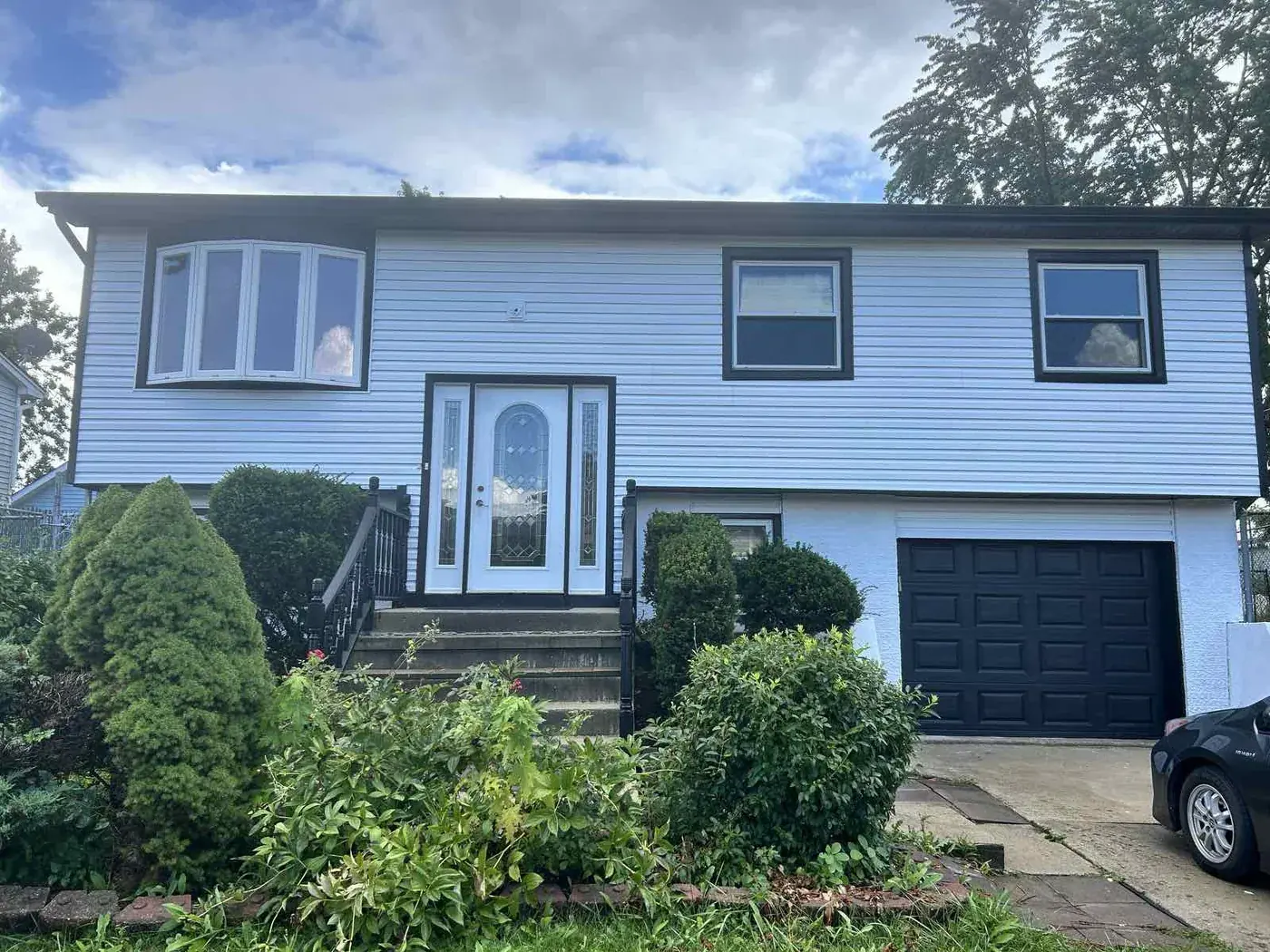
Garage floor coating that stays stuck
Every failed garage floor we are asked to fix failed the same way: the slab was pressure washed, the coating went on, and six months later it lifted in sheets. Concrete has to be opened up, not just cleaned.
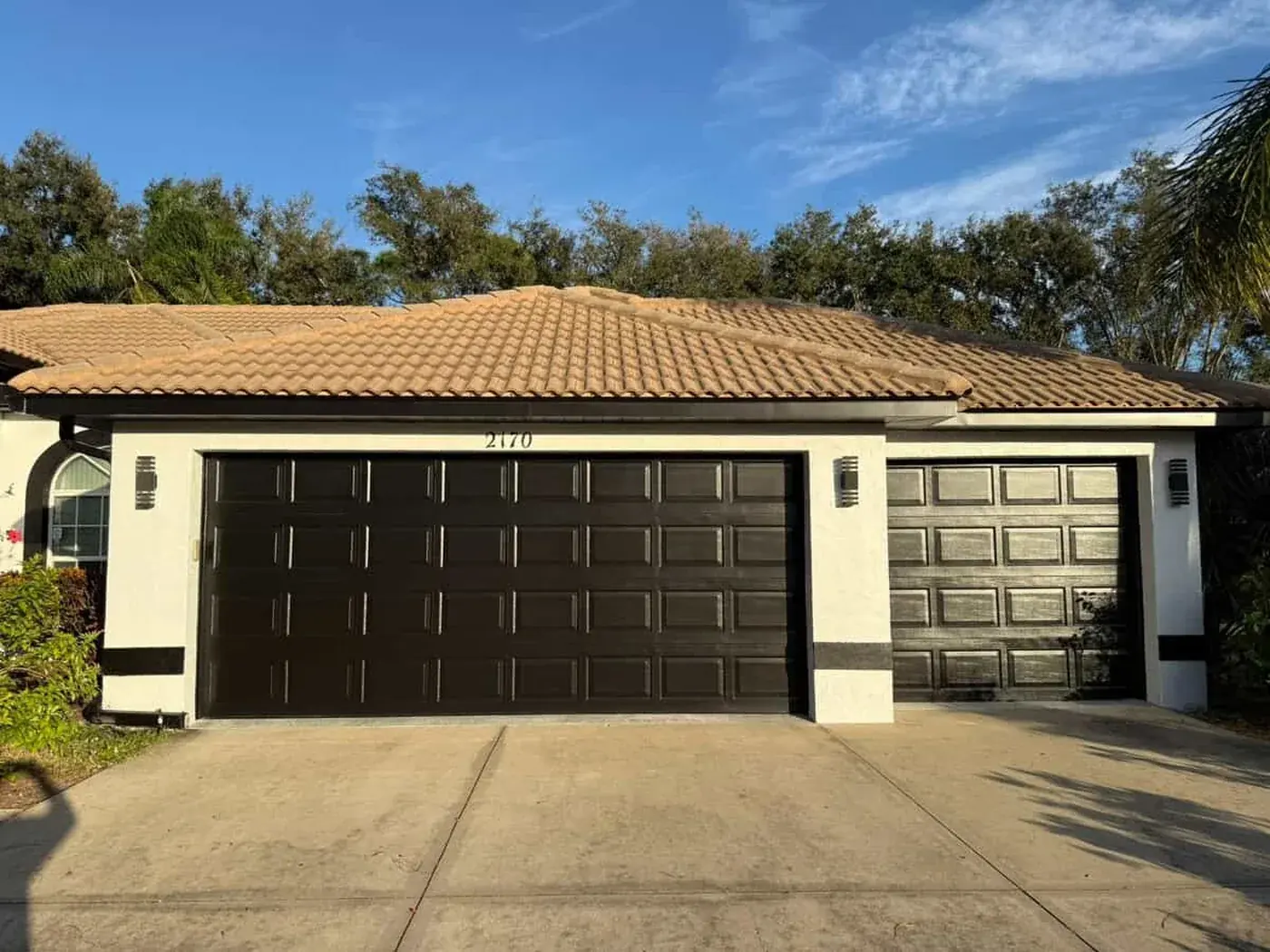
A garage slab in Florida is sealed tight at the surface by the trowel that finished it, and that sealed layer is what a roller coating sticks to — which is to say, not to the concrete. It holds until a hot tyre or a bit of moisture from below gets underneath, then it peels.
The fix is mechanical: grind the surface open so the coating keys into the slab. It is noisier, dustier and slower than washing, and it is the difference between a floor that lasts years and one that lasts a season.
What the job includes
- Moisture tested first — a slab pushing moisture up from below will reject any coating, and that is worth knowing before you pay
- Diamond ground, with vacuum extraction, to open the surface and take off old failing coatings
- Oil and stains treated — a contaminated patch is degreased and, where needed, cut out
- Cracks and pitting filled with a patching compound made for the coating going over it
- Coated in layers, with flake broadcast into the coat if you want the speckled finish, then a clear top coat
- Cure time respected — you walk on it before you park on it, and we tell you which day is which
Driveways, walkways and pool decks
Outside the garage the products change. A driveway takes sun, rain and the weight of a car, so it gets a breathable concrete coating or a stain rather than a film that traps moisture and blisters.
Pool decks are their own problem: they stay wet, they get bare feet on them in August, and a slick coating there is a hazard. Those get a textured finish, and we would rather talk you out of a high-gloss deck than resurface it after somebody slips.
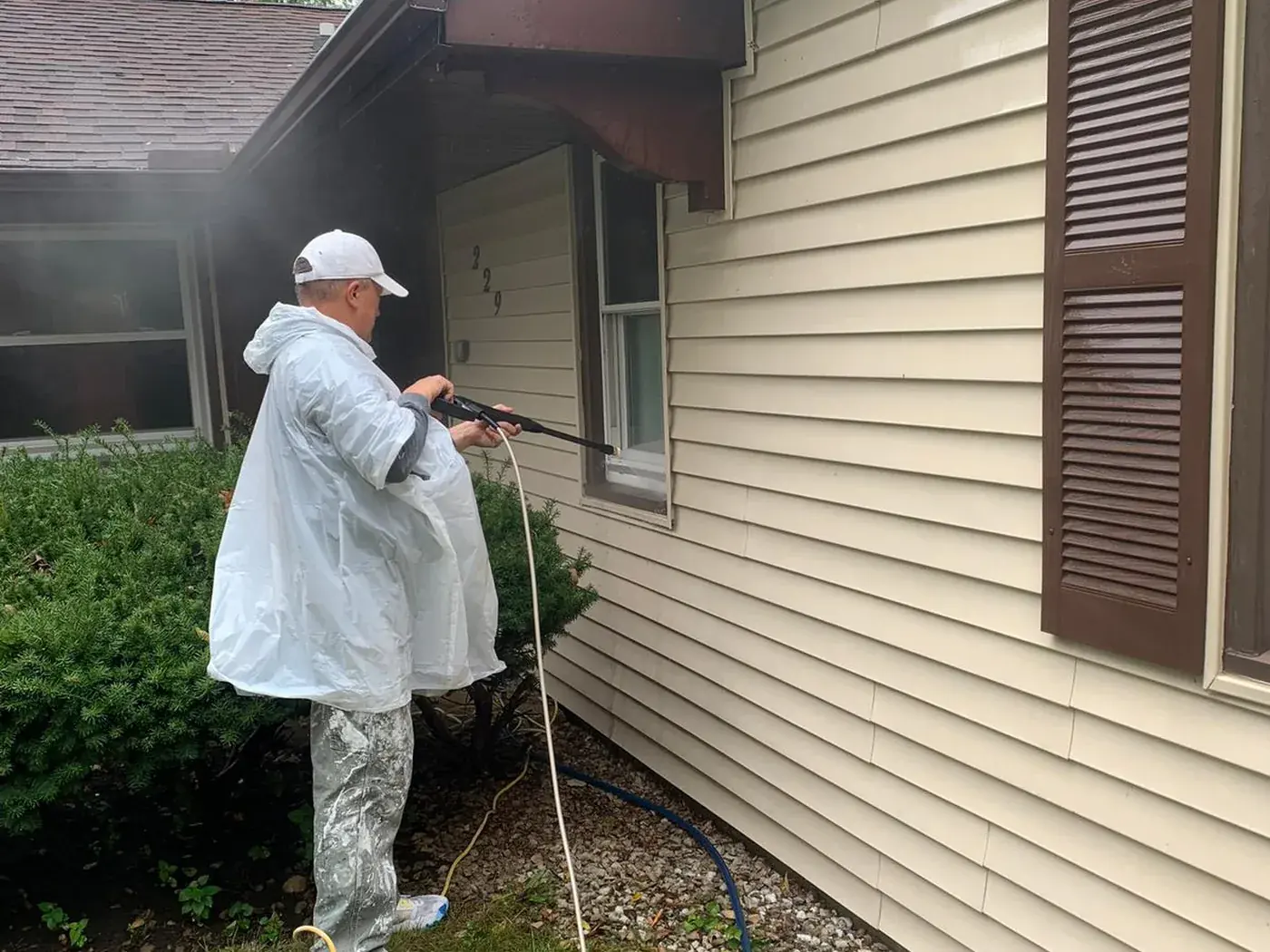
How long before we can park on it?
Foot traffic is usually next day. Vehicles wait longer — typically several days, depending on the product and the temperature. Parking early is the second most common reason these floors fail.
Why the slab gets ground and not just washed
Every honest garage floor coating job starts with mechanical profile. A concrete slab has a hard, closed surface at the very top — laitance from the original finishing, plus years of tyre rubber, oil, brake dust and whatever leaked out of a lawnmower. Pressure washing takes the loose dirt off and leaves that closed surface behind. Coating on top of it is coating on top of a release layer.
So the floor gets diamond ground or shot blasted to open the pores, and the dust gets vacuumed as it is cut rather than swept around afterwards. The result should feel like fine sandpaper. That is the profile a coating needs to key into. Acid etching is the cheaper substitute and it has a place on a small, clean, bare slab, but it does not touch oil contamination and it cannot flatten a trowel ridge.
Oil spots get treated separately before grinding, because grinding a saturated patch just drives the contamination deeper. If a stain has been soaking into the same square foot under a parked truck for fifteen years, we say so in the estimate instead of promising it will disappear.
Moisture testing a Florida slab before coating
Garage floor coating in North Port and Port Charlotte runs into one problem more than any other: water coming up through the slab. Plenty of houses here were poured without a vapour retarder underneath, the water table is high, and irrigation runs against the outside of the garage wall four mornings a week. That moisture has to go somewhere, and a sealed floor makes the coating the only exit.
The check is simple and worth the delay. Tape squares of clear plastic to several areas of the slab, including near the overhead door and against the back wall, and leave them down overnight. Condensation under the plastic or a darkened patch of concrete means vapour drive. Where it matters we go further with a calcium chloride or relative humidity reading rather than guessing.
If a slab is actively wet, a film-forming coating is the wrong purchase and we will say that rather than sell it. The alternatives are a breathable stain or densifier, a moisture-tolerant primer designed for the reading you have, or fixing the drainage and irrigation first and coating a year later. All three beat a floor that blisters in month five.
Hot tyre pickup and what actually causes it
Hot tyre pickup is the failure most people have heard of and few have had explained. A tyre that has been on I-75 in August comes home soft and hot, it sits on the coating, and as it cools it grips. Drive off the next morning and it takes a coin-sized disc of coating with it. The cause is almost never the brand on the bucket. It is either a bond that was never there because the slab was not profiled, or a coating that was driven on before it had cured.
Set and cure are different things. A floor can be walkable in a day and still be days away from tolerating a hot tyre. We give a written keep-off period for foot traffic and a separate, longer one for vehicles, and in a humid October week those numbers stretch. Parking early is the single most common way a good floor gets ruined by its owner.
Film thickness plays into it as well. A thin, rolled-out coat spread further than it should be has less to hold with, which is why coverage rates get followed rather than eyeballed.
When a garage floor coating is the wrong buy
There are slabs we turn down, and it saves everyone money. Concrete that is spalling — where the surface is flaking away and exposing aggregate — needs repair mortar and a resurfacing decision before any coating conversation. A crack that moves seasonally will come back through a rigid coating no matter how well it is filled, because the coating is not a structural bridge.
Heavily cracked slabs with displacement, floors that have settled so water runs to the back wall instead of out the door, and garages that get used as a workshop with a welder and dropped steel are all cases where a sealer or a bare, densified floor is the better spend. We also do not take on slab repair, cutting or replacement; that is concrete work, not painting.
Where a coating does make sense, it earns its keep. It stops the slab dusting, sand from the driveway sweeps up instead of grinding in, spills wipe rather than soak, and the garage stops being the darkest room in the house. Colour flake broadcast into the coat also hides the imperfections a plain grey floor shows off, which is why most customers around Venice and Punta Gorda choose it.
What people ask about garage floor & concrete coating
Is this the same as epoxy?
Epoxy is one family of products, and it is not automatically the right one. Some slabs suit a polyaspartic that cures faster and handles UV better at the garage door opening, where epoxy ambers. We pick from the slab, not from a brochure.
My old coating is peeling. Can you go over it?
No. Anything that has lifted has to come off, or the new coating is only as attached as the old one. That grinding is a real part of the price and we quote it openly rather than discovering it on day one.
Will it handle hot tyres?
A properly ground and correctly specified floor will. Hot tyre pickup is a bonding failure, not a paint failure — it is the classic symptom of a coating rolled onto a slab that was only washed.
Can you do just the driveway?
Yes, and plenty of people do — a clean, evenly coloured driveway changes the front of a house as much as the walls do. It often pairs with pressure washing the walkway and entry.
Can you coat over an existing epoxy floor that is flaking?
Only after the failing material is removed. A previous coating that is lifting takes anything applied over it with it, so the flaking areas get ground out, and if the film is failing broadly the whole floor comes off.
Where an old coating is genuinely sound and well bonded, it can sometimes be abraded and recoated. We test-scrape several areas and tell you which situation you actually have before pricing.
How long do the cars have to stay off the floor?
Foot traffic is usually back within a day, vehicles considerably later — the written quote gives both numbers for the product we are using, and they are minimums, not targets.
Humidity stretches them. A wet week in September genuinely slows cure, so if you have a hard deadline, tell us up front and we will schedule around it rather than shortening the cure and risking hot tyre pickup.
Do the cracks and the control joints get filled?
Static cracks get cleaned out, sometimes chased with a blade to give the filler a shoulder, then filled with a semi-rigid repair material and ground flush before coating. Small ones disappear; wide or offset ones stay visible as a line.
Control joints are deliberate and we usually honour them rather than bridging them, because a joint filled solid tends to crack the coating alongside it instead.
Should the coating run up the wall or stop at the edge?
Most residential jobs stop at the wall line with a clean cut. It looks tidy and it is the cheaper detail. A short cove up the wall, three or four inches, makes hosing the floor out practical and keeps water off the drywall, which suits garages used for boat and fishing gear.
We price both if you are undecided, and the choice is noted in the quote so there is no argument later.
Garage Floor & Concrete Coating near you
We work across Sarasota and Charlotte counties from our base in North Port, and travel south into Lee and Collier counties on request.
Want a price for garage floor & concrete coating?
Send a couple of photos and the address. You get a written fixed quote, usually the same business day.