
How Often Should You Paint a House in Florida?
Repaint cycles here are shorter than up north, and they are not the same for every wall, door and deck on the property. Here is what to expect and what to watch for.
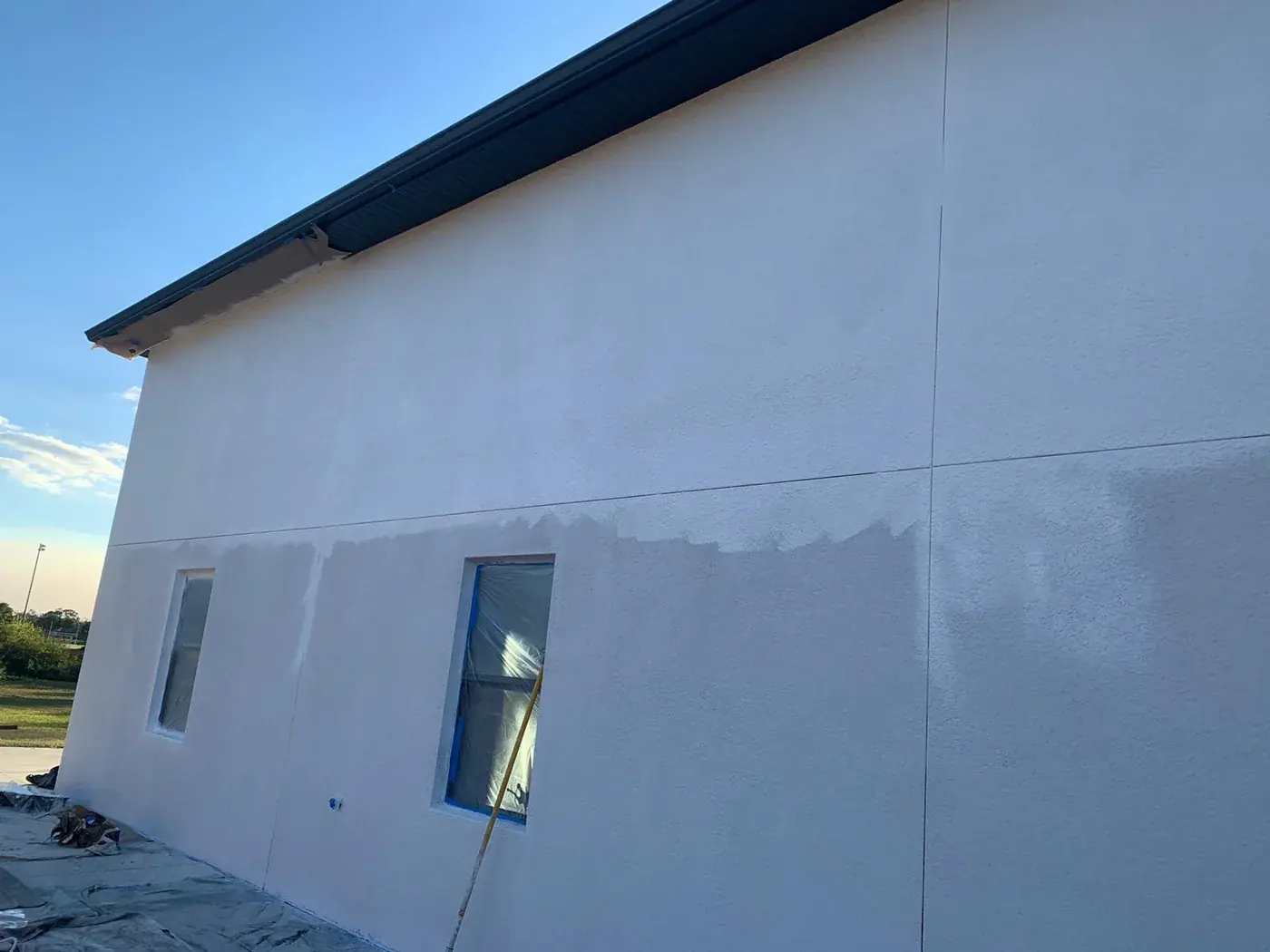
Most stucco homes in Florida need an exterior repaint about every 7 to 10 years, provided the last job was washed, repaired and finished with two coats of a quality acrylic. Coastal homes, dark colors and south- or west-facing walls often need it sooner. Wood trim, front doors and stained decks run on a much shorter cycle, while interior walls usually last 5 to 10 years depending on how hard the rooms are used. The real answer for your house comes from the walls themselves, and they show clear signs when they are due.
Typical repaint intervals for a Florida home
These ranges assume a properly prepared surface and two finish coats. A one-coat job over a chalky wall can fail in half the time.
| Surface | Typical interval | What shortens it |
|---|---|---|
| Stucco or block body | 7 – 10 years | Full afternoon sun, salt air, dark colors, skipped prep |
| Wood fascia and trim | 4 – 7 years | Gutter overflow, roof runoff, bare wood left unprimed |
| Front door facing west or south | 2 – 5 years | Dark colors, no overhang, direct afternoon sun |
| Lanai floor or pool deck coating | 2 – 5 years | Pool chemicals, foot traffic, standing water |
| Deck or fence stain | 1 – 3 years | Horizontal surfaces, sprinkler spray, full sun |
| Interior walls | 5 – 10 years | Kids, pets, rentals, heavy traffic in halls and kitchens |
Notice the pattern: horizontal surfaces and anything in direct afternoon sun wear out first. A house rarely needs every surface done at once, which is useful when you are planning a budget over several years.
Why Florida paint wears out faster
Sun and UV
Ultraviolet light breaks down the binder in paint, and the pigment it was holding is left sitting loose on the surface. That is chalking. In Southwest Florida the sun is high and strong most of the year, so the south and west sides of a house usually fade and chalk years before the north side. It is normal to see one elevation looking tired while the shaded side still looks fine.
Humidity and mildew
Warm, damp air feeds mildew and algae, especially on north walls, under eaves and anywhere plants or irrigation keep the stucco wet. Mildew does not destroy paint on its own, but it holds moisture against the film and makes a house look older than it is.
Salt air on the coast
Homes near the Gulf collect a fine salt film that attracts moisture and works against adhesion. Houses on canals and barrier islands, and in coastal parts of Naples and Venice, generally sit at the shorter end of every range above. Regular washing makes a real difference there.
Irrigation and well water
Sprinklers that hit the wall every morning keep the bottom of the stucco wet and, with well water, leave orange iron stains. Over time that leads to peeling at the base and white efflorescence where salts come out of the block.
Signs your house is due for a repaint
You do not need to count years. Walk around the house once in the morning and check for these:
- Chalk on your hand — rub the south or west wall with your palm; a heavy white or colored residue means the film is breaking down
- Fading you can see — compare a wall in full sun with a protected spot behind a shutter or downspout
- Hairline cracks opening up — fine cracks in stucco are normal, but once they are open, water gets behind the paint
- Peeling at fascia and trim — wood moves more than stucco and usually fails first
- Hard, split caulk — around windows, doors and trim joints
- Mildew that comes back quickly — if the north wall turns green again a few months after washing, the coating is no longer protecting it
- White powder on the wall base — efflorescence points to moisture that needs to be dealt with before painting
Do not wait for peeling
Repainting while the old coating is still sound but chalky is mostly washing, crack repair and two coats. Waiting until it peels adds scraping, more primer and more repair. Catching it early usually means a simpler job.
How to make your paint last longer
A few habits between repaints add years to the cycle:
- Soft wash every year or two. Removing mildew, salt and dirt keeps the film working. Use a cleaning solution and low pressure, not a blast that drives water into stucco — that is how we handle pressure washing and soft wash.
- Aim sprinklers away from the walls. It is the cheapest fix there is for peeling and staining at the base of a wall.
- Keep mulch and soil below the stucco line. Stucco that sits in wet mulch wicks moisture upward.
- Re-caulk when joints split. Small gaps around windows and trim let water behind the paint long before it shows.
- Re-coat the hard elevations sooner. Repainting the south and west sides ahead of the rest is a legitimate way to stretch a full repaint.
What decides how long your next paint job lasts
The biggest factor is not the brand on the can but the work under it. A chalky wall that is painted without washing and an adhesion primer or masonry conditioner will start failing quickly, whatever the product. Cracks should be opened and filled, not just painted over, and new or patched stucco needs the right primer — see stucco and brick painting for how that is done.
Two finish coats at the coverage the manufacturer states matter just as much. A single thin coat looks fine on the day and shows its age within a couple of years. That is why our exterior painting quotes include washing, repairs and two coats as standard. If preparation is cut back to lower the price, the quote says plainly which step was left out and where.
Inside, the cycle is driven by use more than climate. Hallways, kitchens and kids' rooms wear first. A washable finish in those rooms helps, and we can repaint only the rooms that need it — see interior painting. Decks and fences are their own schedule; deck and fence staining covers what to expect there.
Older homes
If your home was built before 1978, older coats may contain lead paint. We test first and follow lead-safe work practices when sanding or scraping those surfaces.
More on repaint timing
Does a lighter color last longer in Florida?
Generally, yes. Light colors absorb less heat and show fading less. Deep blues, reds and dark grays fade faster in strong sun and make the surface hotter, which works the coating harder.
Can I just pressure wash instead of repainting?
Often for a while. If the paint is still sound and only dirty or mildewed, a soft wash can make it look much newer. If it chalks heavily or cracks are open, washing will not fix that, and a repaint is due.
Should I repaint before selling my house?
If the exterior is visibly faded or peeling, it is usually worth it, because buyers notice it first. If it is only a few years old, washing and touching up the front elevation and front door may be enough.
How do I know which product was used last time?
Check for leftover cans in the garage, old invoices or HOA records, which often list the manufacturer and color number. If nothing is available, we look at the existing film and choose a compatible system.
Painting advice for Florida homes
 Paint & Products
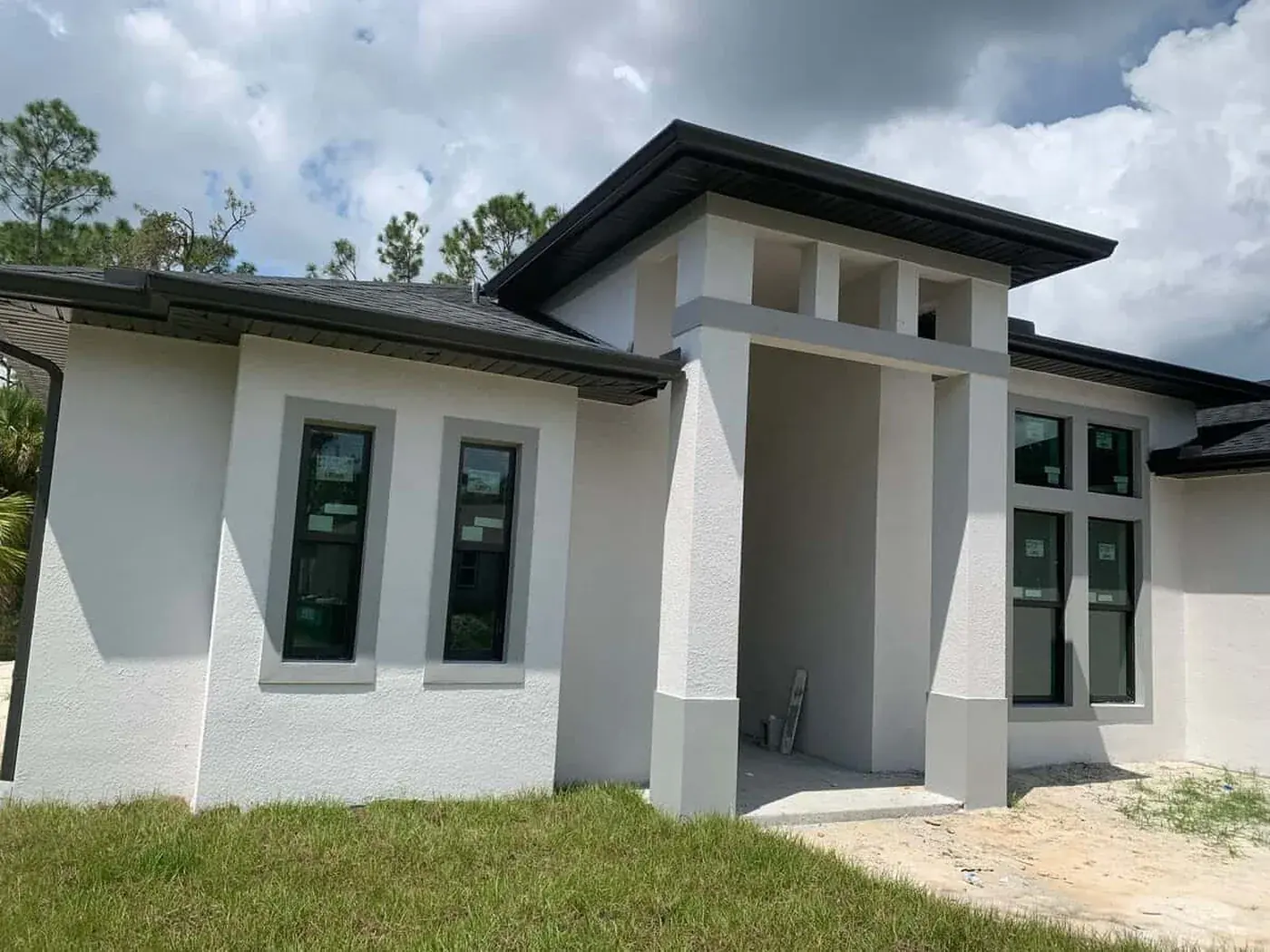
Choosing Exterior Paint
Selecting the right exterior paint is essential for Florida homes. Discover how to balance durability and cost when choosing products for your stucco exterior.
 Interior
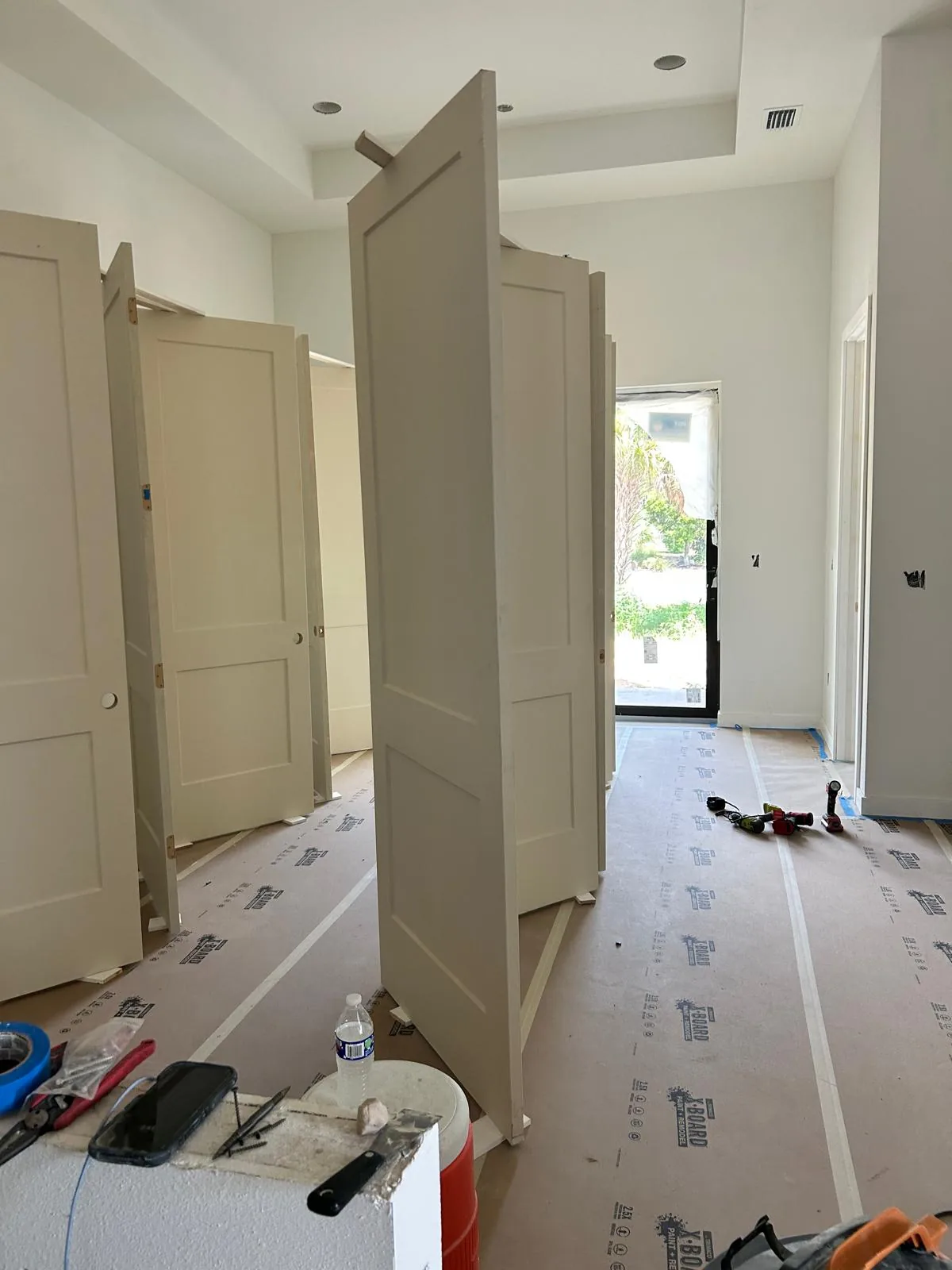
Painting Interior Doors
Painting interior doors is a high-impact project that transforms a room. Discover why professional preparation and spraying are the keys to a factory-like finish.
 HOA
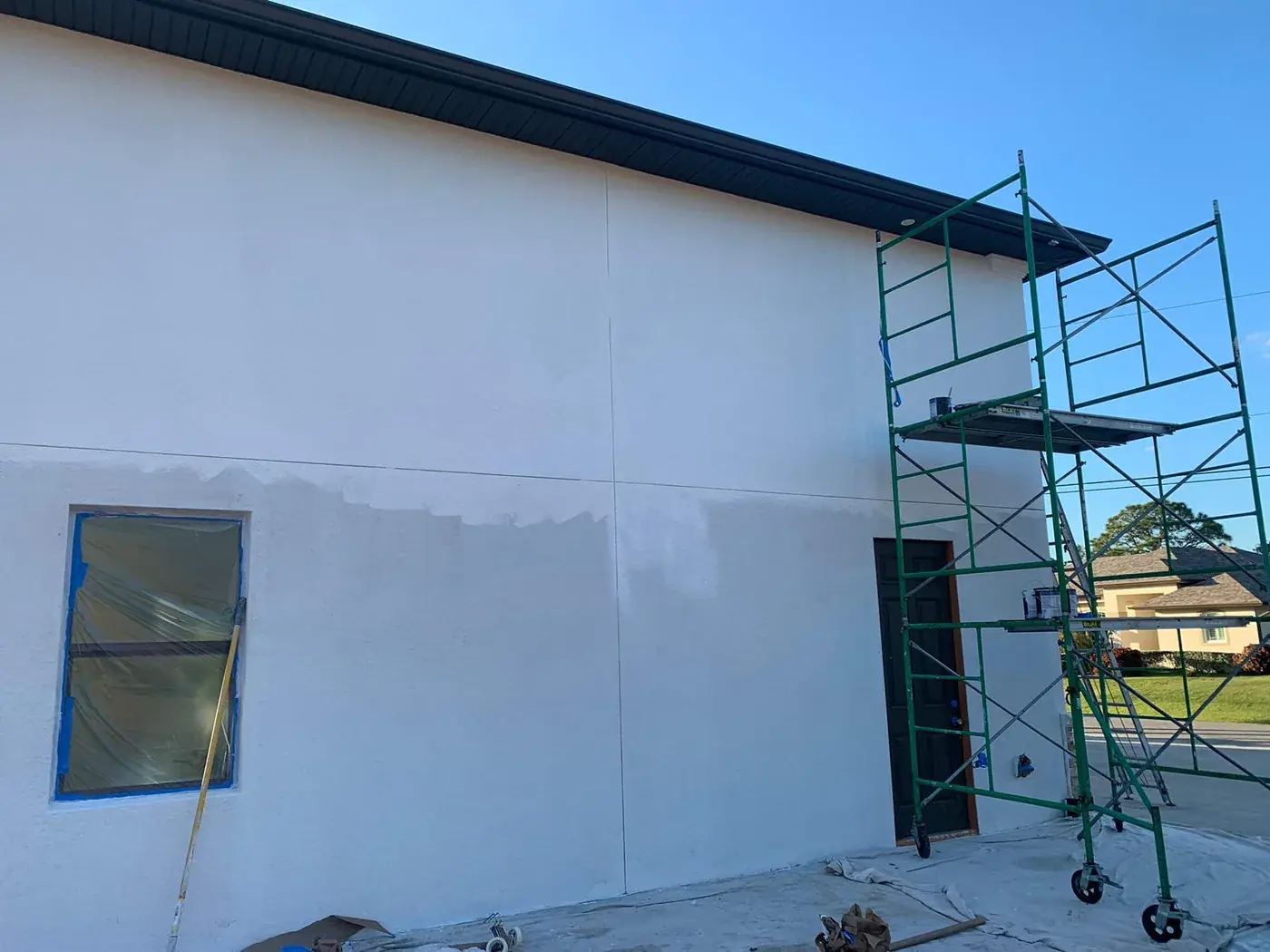
HOA Color Approval
Most Florida HOAs need written ARC approval before you change, or even refresh, exterior colors. Here is what to submit and how to avoid delays.
 Planning
Compare Painting Estimates
Three quotes, three different numbers. Compare scope, prep, coats, products and the walk-through to see which estimates describe the same job.
Not sure if your house is due?
Send a few photos of the sunniest walls. We will tell you honestly whether it needs paint now, a wash, or nothing yet.