
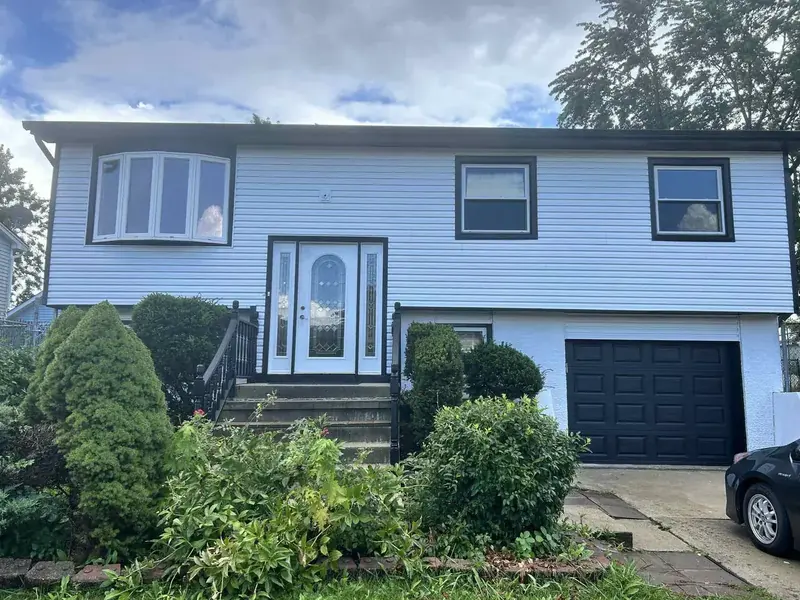
How to Paint Interior Doors for a Smooth Finish
Painting interior doors is one of the most effective ways to update the look of your home without replacing the hardware or the wood itself. Whether you are dealing with dated yellowing trim or simply changing your interior color scheme, achieving a smooth, professional result comes down to how the surface is prepared and applied.
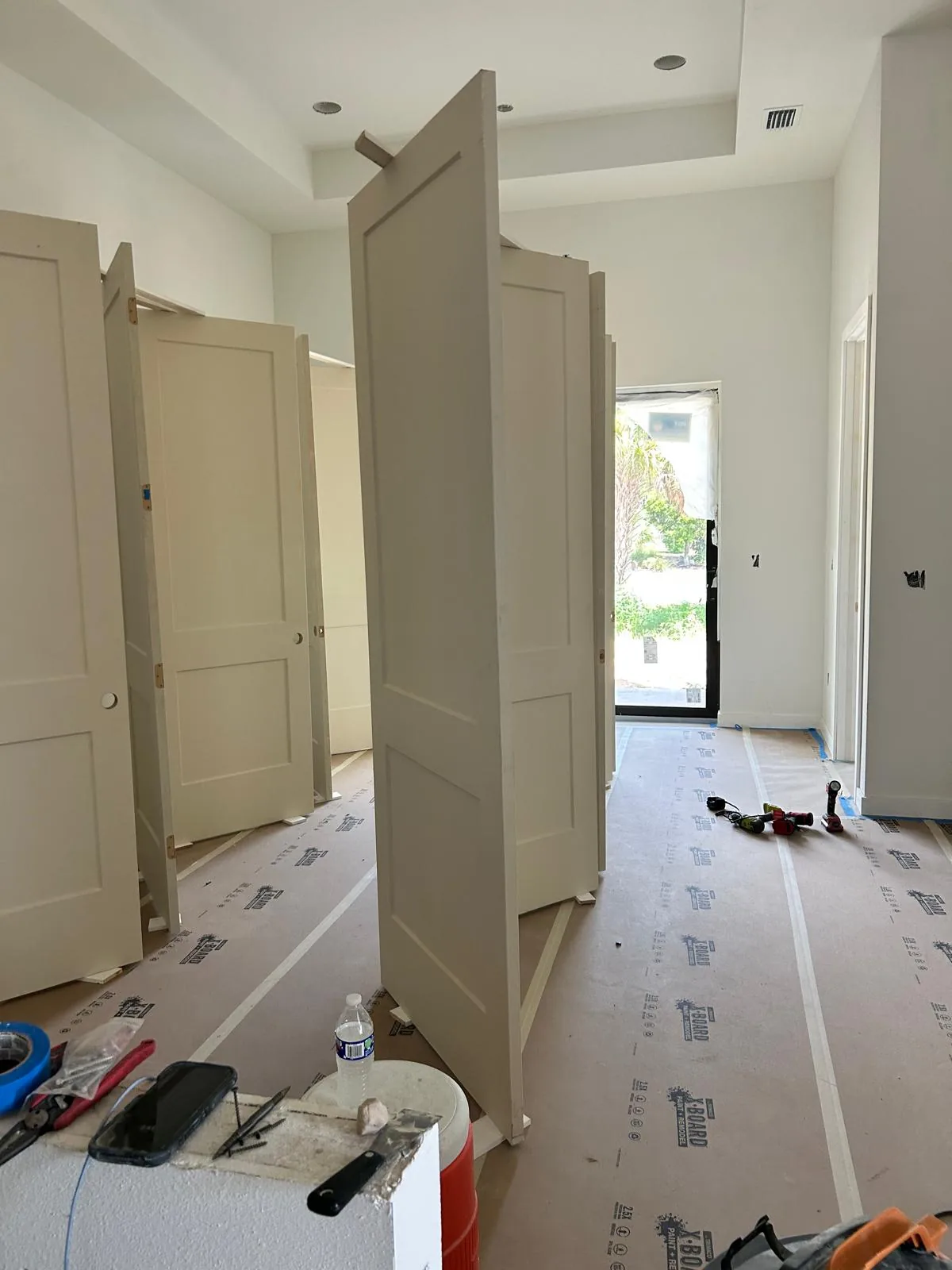
A successful door paint job is not just about the paint itself; it is about the transition from a textured, brushed appearance to a hard, smooth surface that withstands daily use. In homes across Naples, FL, and the wider Southwest Florida area, we often see doors that were painted hastily, resulting in visible brush marks, drips, and a finish that peels easily. Proper preparation and the right technique change that entirely.
Why the method matters for Florida homes
Doors are high-touch surfaces. They get gripped, bumped, and wiped down constantly. A standard wall paint applied with a roller will struggle to stand up to that level of wear, and a brush will almost always leave texture behind. Professional painting relies on adhesion-promoting primers and cabinet-grade enamels, applied with a sprayer to achieve a finish that resembles a factory-made product. Our climate also plays a role: humidity and temperature changes in Southwest Florida affect how paint cures, making the use of professional-grade, quick-leveling enamels a wise choice for a durable result.
Preparation: The foundation of a smooth finish
Preparation is the most labor-intensive part of a paint job, but it is also what decides whether the finish is still sound in five years. We treat every door as an individual project, ensuring that the substrate is ready for the coating. Here is what we check:
- Degreasing. Doors collect hand oils, dust, and kitchen grease over time. Removing this residue is the most important step for paint to stick.
- Scuff sanding. We sand the existing finish to dull the surface and provide a "tooth" for the new primer to grip.
- Adhesion-promoting priming. On glossy factory finishes, a specialty primer is required to ensure the topcoat does not lift later.
- Masking. We seal off the room and hardware to protect surrounding walls and floor surfaces from mist.
- Spraying. Spraying allows for a perfectly uniform film thickness without the ridges and gaps that bristles leave behind.
The importance of drying time
Even when a door feels dry to the touch, the paint is still curing. Avoid reinstalling hardware or closing the door until the curing window specified on the product label has passed, otherwise, the finish can stick and pull away.
The step-by-step painting process
Preparation and masking
We start by protecting the flooring with heavy-duty paper and masking the surrounding wall area to catch any overspray. This protects your home while allowing us the room to work efficiently.
Hardware removal
Removing handles and hinges allows us to finish the door edges completely, preventing gaps and ensuring the hardware fits perfectly when reinstalled later.
Cleaning and abrading
Every square inch of the door is wiped clean with degreaser and sanded. This step is where the final smoothness is determined; if there are deep scratches, they are filled and sanded until they disappear.
Spraying and finish
We apply high-quality enamel in thin, even passes. Multiple thin coats are far more durable than one thick, heavy layer, and this method provides the factory-style look our clients expect.
Understanding enamels and coatings
Not all paints are equal when it comes to door painting. A standard interior wall paint is designed to be breathable and flat, while a door enamel must be hard, scrubbable, and level-out smoothly. We recommend waterborne alkyds or urethane-fortified enamels for their performance. These modern products combine the durability of traditional oil-based paints with the low-odor and easy-cleanup properties of water-based systems. They are resistant to the "blocking" effect where the door sticks to the frame in high-humidity conditions, which is a common problem in Florida.
Comparing door painting techniques
| Feature | Brushing | Spraying |
|---|---|---|
| Finish quality | Moderate texture | Smooth, flat finish |
| Durability | Average | High |
| Preparation | Light masking | Extensive masking required |
| Efficiency | Fast setup | Fast application |
While spraying produces the most professional, factory-style result, it requires the entire room to be sealed off. If you are living in the house and cannot move furniture or mask an entire hallway, we occasionally hand-paint doors using high-quality synthetic brushes and slow-leveling enamels. We will always discuss these options during our on-site estimate to find the right balance for your home. We want you to be satisfied with the result and the process of getting there.
Sheen and aesthetic choice
For interior doors, semi-gloss is the industry standard. It provides a hard, moisture-resistant film that is easy to wipe clean, which is essential for door handles and frame edges. A flat or matte sheen on doors is generally avoided as it absorbs dirt and is difficult to clean, often requiring a full repaint if it gets marked. When you choose a product line like Benjamin Moore Advance or Sherwin-Williams Emerald Urethane Trim Enamel, you get a coating that levels beautifully, making the semi-gloss finish look sophisticated rather than overly shiny. Color is equally important; a clean white trim and door set often acts as the frame for your interior color palette, so choosing the right shade of white is just as critical as the application method.
We also pay close attention to the substrate. Hollow core doors are very common in newer builds and they have different structural needs than solid wood or MDF doors. They are more prone to warping if subjected to high-pressure cleaning or excessive moisture, so we take care to manage the moisture content during the cleaning and painting phases. Solid wood doors, especially in older homes, can present challenges with natural wood movement and knots that require specialized stain-blocking primers. By assessing your specific doors during our estimate, we tailor our process to the material itself.
Finally, consider your door hardware. Often, painting is the perfect time to replace old or dated handles and hinges. If you are changing hardware, let us know at the estimate; we can ensure that the new plates fit the existing holes, or we can assist in filling and re-drilling the mortises to match the new hardware design. This attention to the finished detail is part of why our clients choose us for their interior painting needs.
Common questions about painting interior doors
Do I need to take the doors off the hinges to paint them?
While it is possible to paint them in place, taking them off allows for a more thorough cleaning, sanding, and spraying of all edges, resulting in a cleaner look.
How long until I can use the door again?
This depends on the product used, but usually, doors are ready for light use within 24 hours. We recommend waiting a few days before heavy usage or reattaching latch hardware.
Can I paint over a door that was previously stained?
Yes, but it requires thorough sanding and a high-quality adhesion-promoting primer to stop the old stain from bleeding through the new paint color.
Painting advice for Florida homes
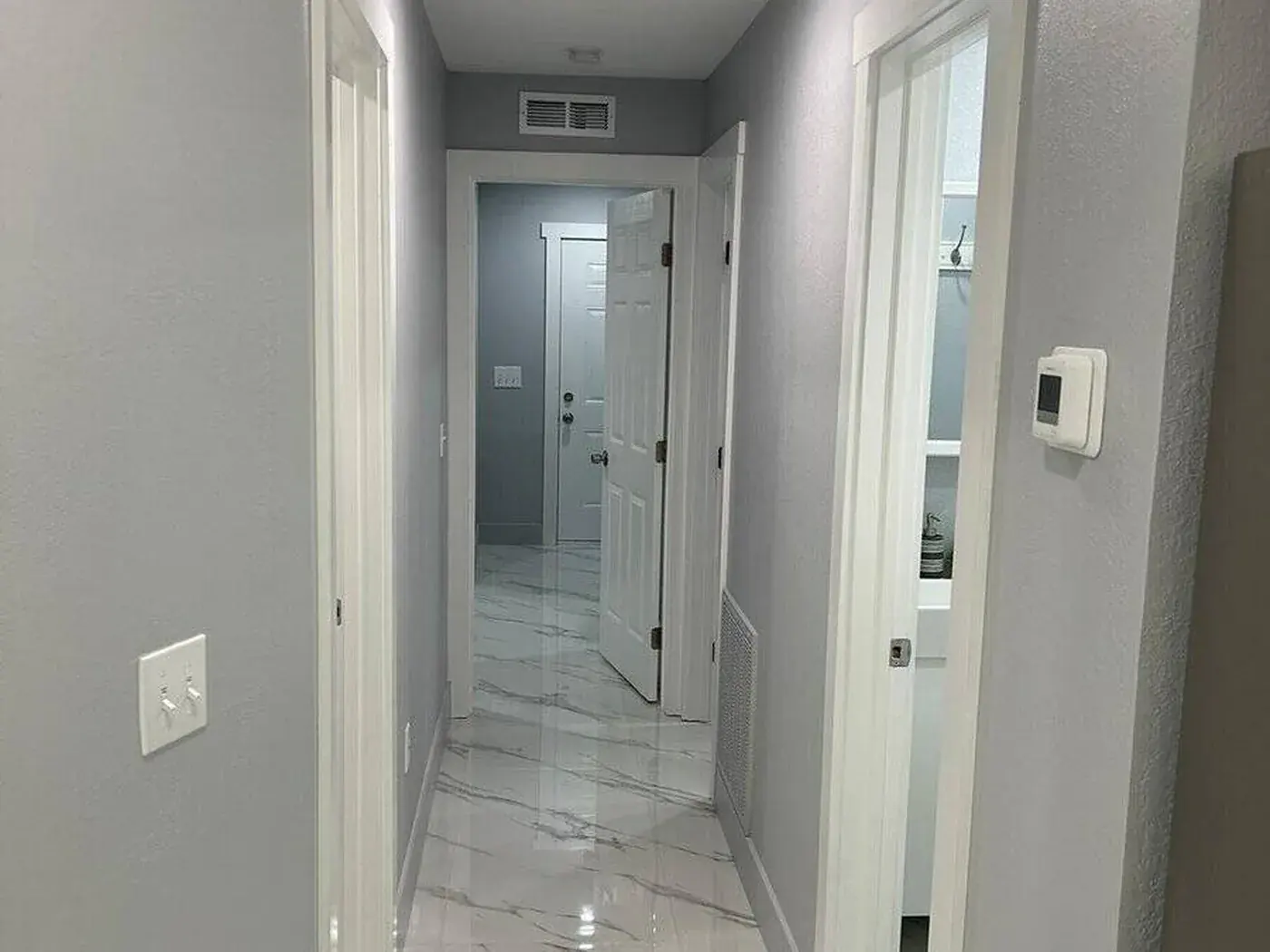 Interior
Paint Sheen Guide
Which paint sheen goes where in a Florida home: flat ceilings, eggshell living areas, satin baths, semi-gloss trim and what changes on stucco outside.
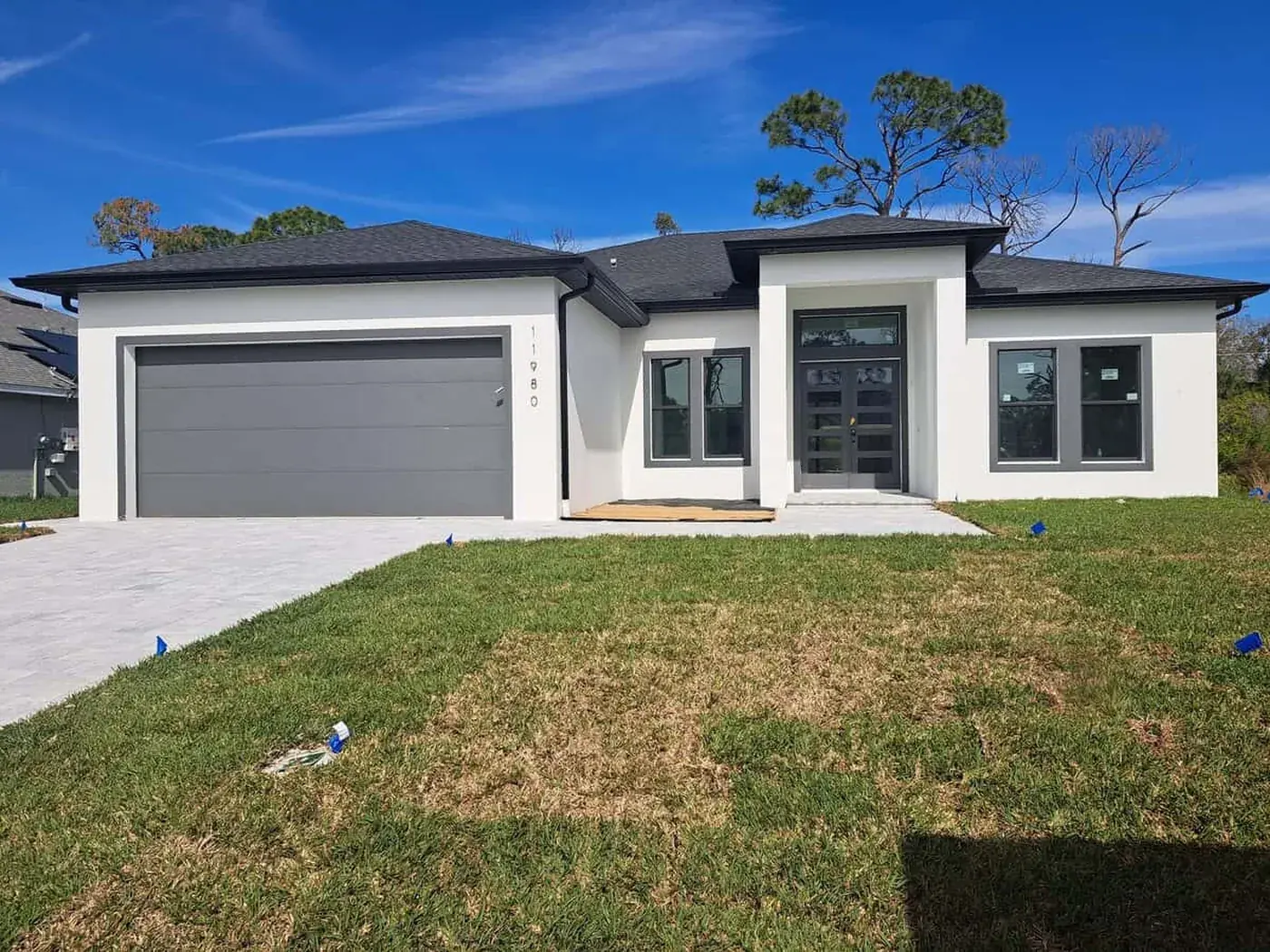 Paint & Products
Choosing Exterior Paint
Selecting the right exterior paint is essential for Florida homes. Discover how to balance durability and cost when choosing products for your stucco exterior.
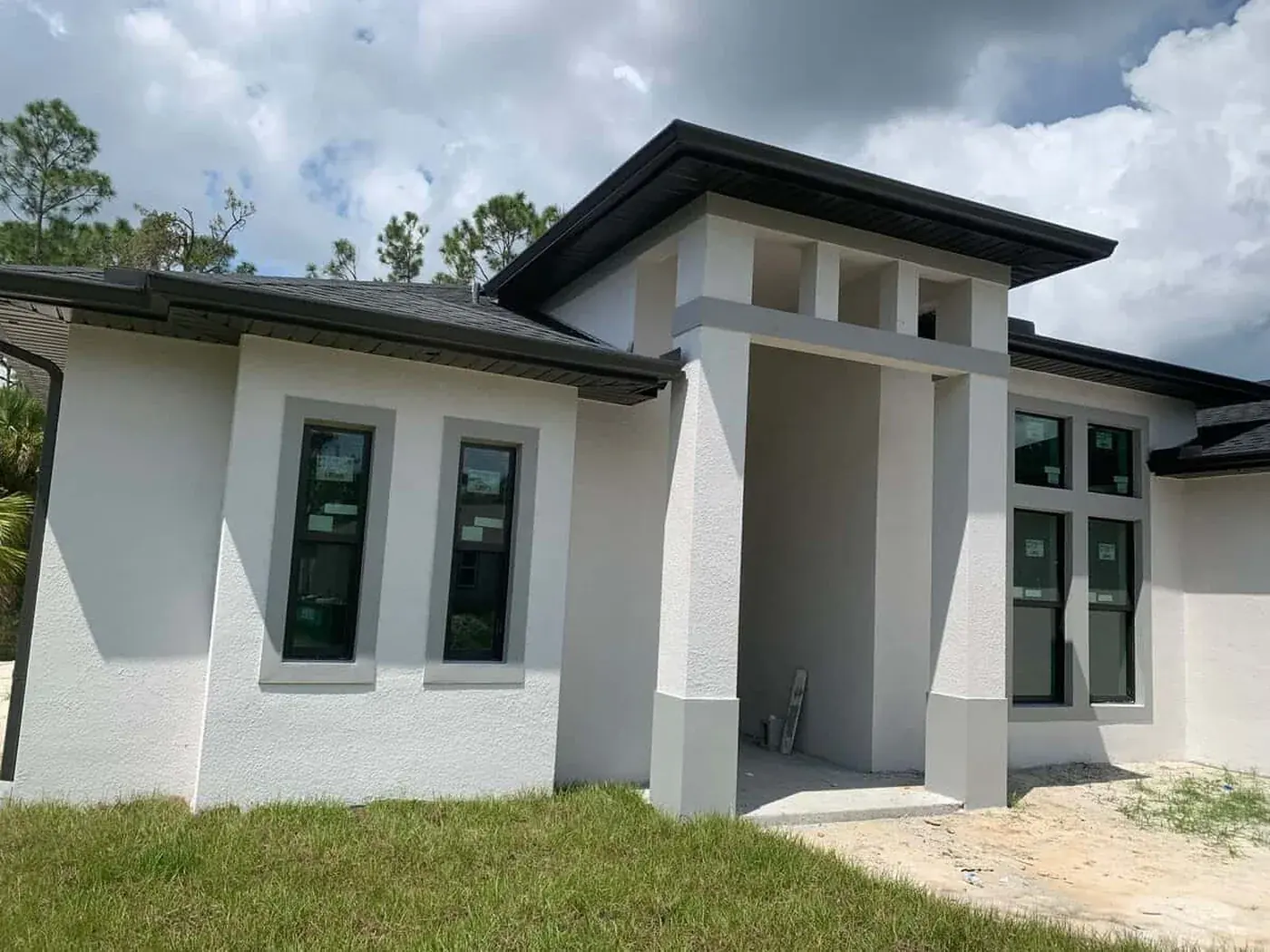 HOA
HOA Color Approval
Most Florida HOAs need written ARC approval before you change, or even refresh, exterior colors. Here is what to submit and how to avoid delays.
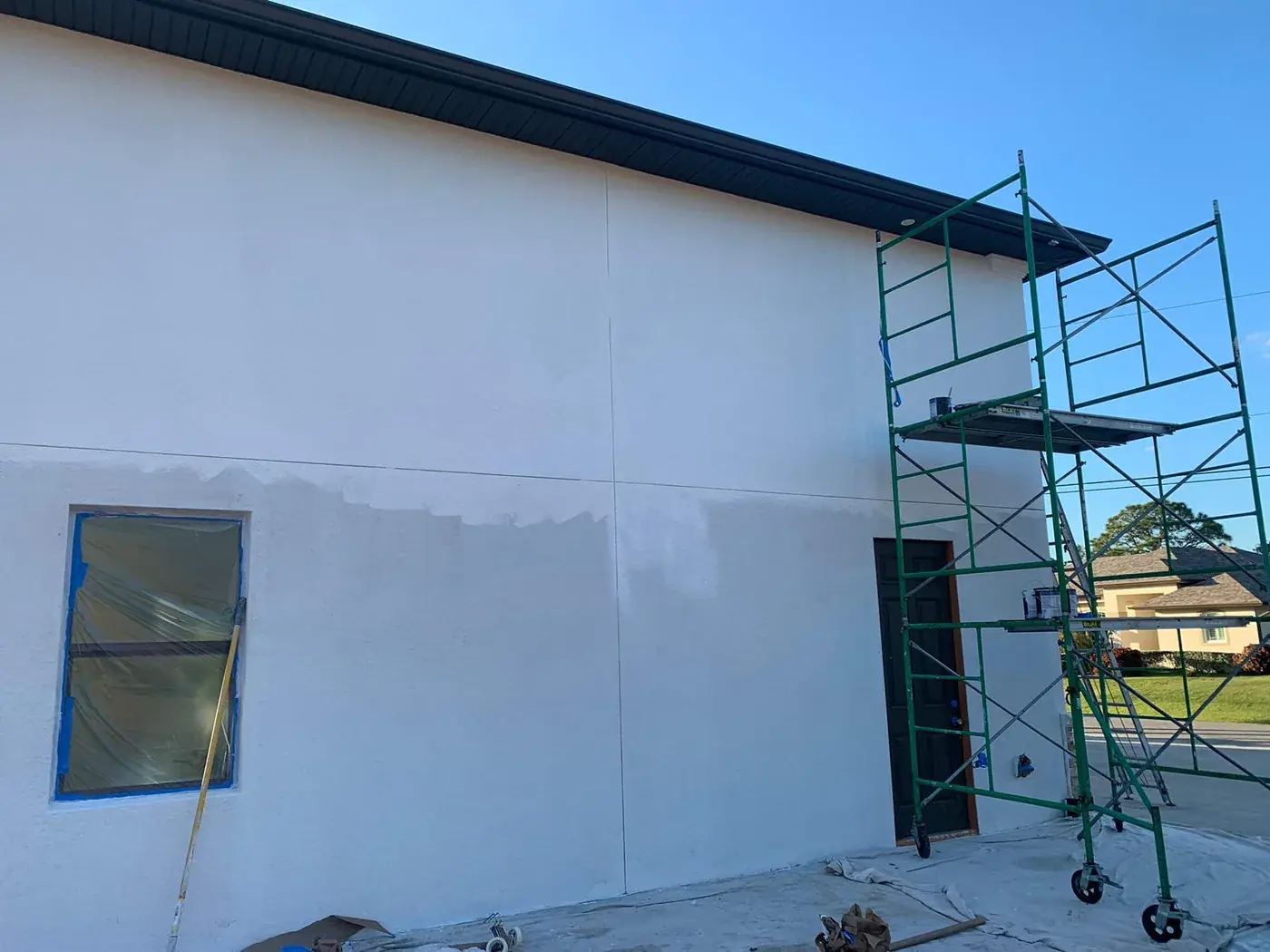 Planning
Compare Painting Estimates
Three quotes, three different numbers. Compare scope, prep, coats, products and the walk-through to see which estimates describe the same job.
Ready to refresh your interior doors?
Whether you are painting a single door or a whole house, we provide detailed, written estimates for every project. Contact us to schedule a visit in Southwest Florida.