
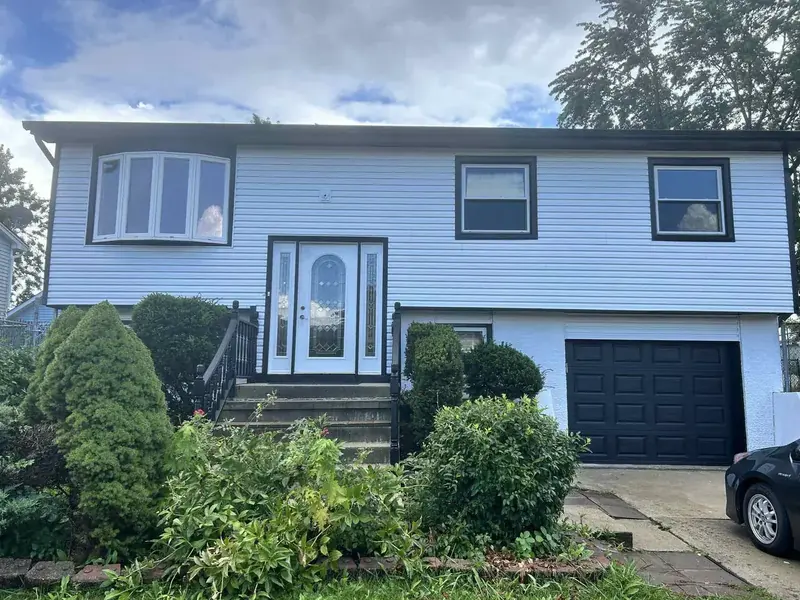
Our painting process, start to finish
This is our painting process in full — how a house painting job works with us from the first phone call to the last walkthrough, so you know what happens, in what order, and what you are expected to do.
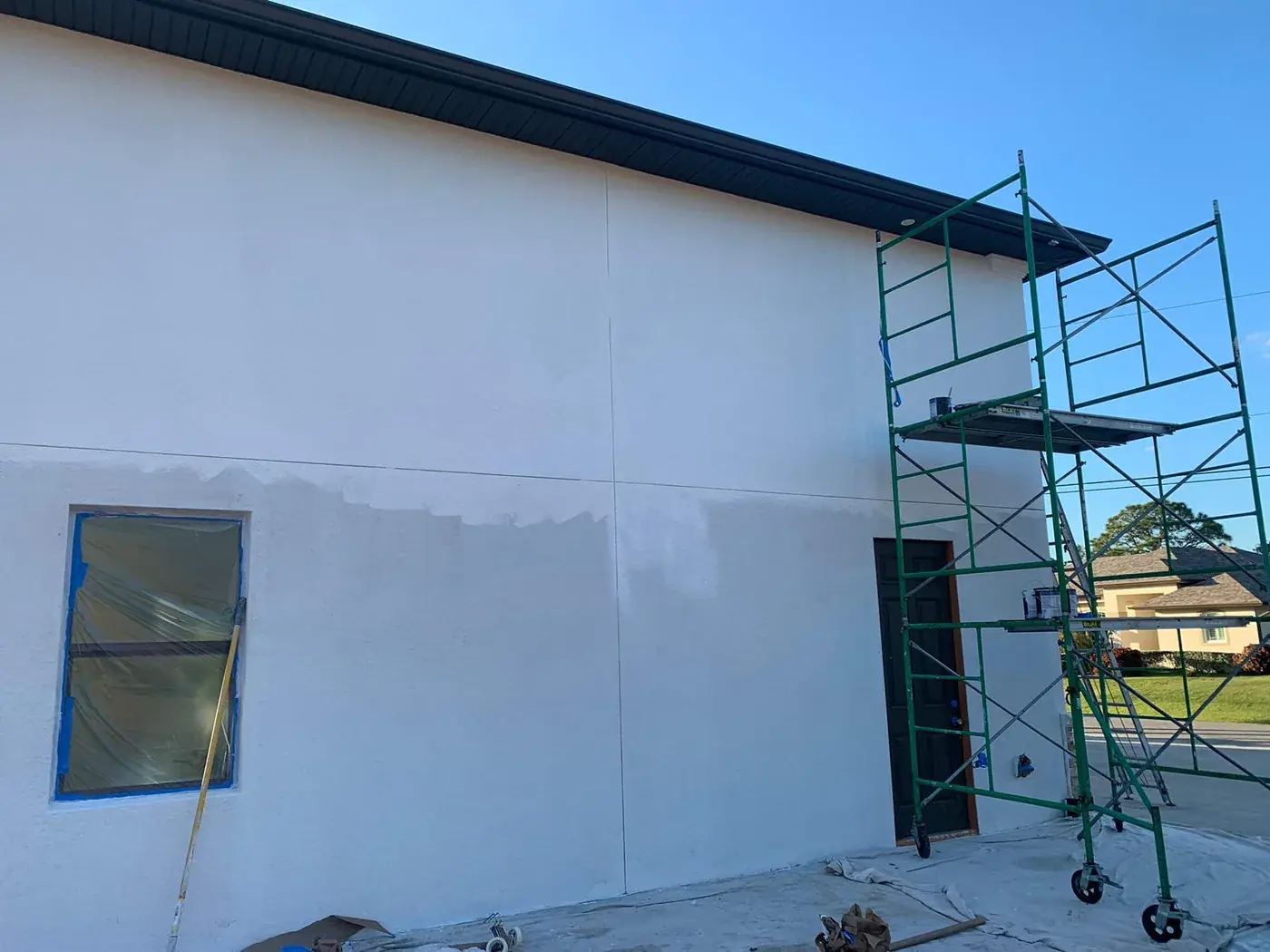
From first contact to a signed quote
The first half of the painting process happens on paper. Getting it right is what keeps the second half calm.
Contact and photos
Call, text or use the form. Tell us the address, what needs painting and roughly when. A few phone photos of the worst spots — peeling trim, a stained ceiling, a cracked stucco corner — help us bring the right tools to the visit.
On-site estimate
We come out, free and without obligation. We measure, check how the old coating is holding, look for moisture and soft wood, and ask how you use the rooms. On older homes we also ask the year it was built.
Detailed written quote
You get a written quote for the described work, usually the same business day. It lists the preparation, the number of coats, the exact products and sheens, the schedule and the payment terms.
Colors and samples
We paint sample patches on your actual walls, because a chip under store lighting lies. If your HOA needs sample boards for architectural review, we paint them and wait for approval.
What the written quote tells you
A quote is only useful if you can compare it. Ours is built so that you can put it next to anyone else's and see exactly where the difference is.
- 01PreparationWashing, scraping, patching, caulking and where primer goes, room by room or elevation by elevation
- 02CoatsTwo finish coats as standard, and a note if a big color change needs a third
- 03ProductsBrand, line and sheen, for example Sherwin-Williams ProMar 400 on interior walls
- 04ScheduleStart date, expected duration and which rooms or sides are out of use when
- 05PaymentThe terms in writing; unless the quote says otherwise, the balance is due on completion after the walkthrough
If you want to trim the scope to fit a budget, we will show you which line comes out and what it means. Typical ranges are on the pricing page.
Lead and asbestos on older homes
Homes built before 1978 may have lead paint, so we test first and follow lead-safe work practices when sanding or scraping. Popcorn ceilings from before the 1980s get a sample sent to a testing lab before anyone touches them; a positive result is a job for an asbestos abatement specialist, not for us.
Scheduling, weather and protecting your home
Interiors run to the dates in the quote. Exteriors depend on Florida weather: we will not coat a wet wall or start in the afternoon storm window just to hold a date. If rain moves the job, you hear it from us the same day, along with the new plan.
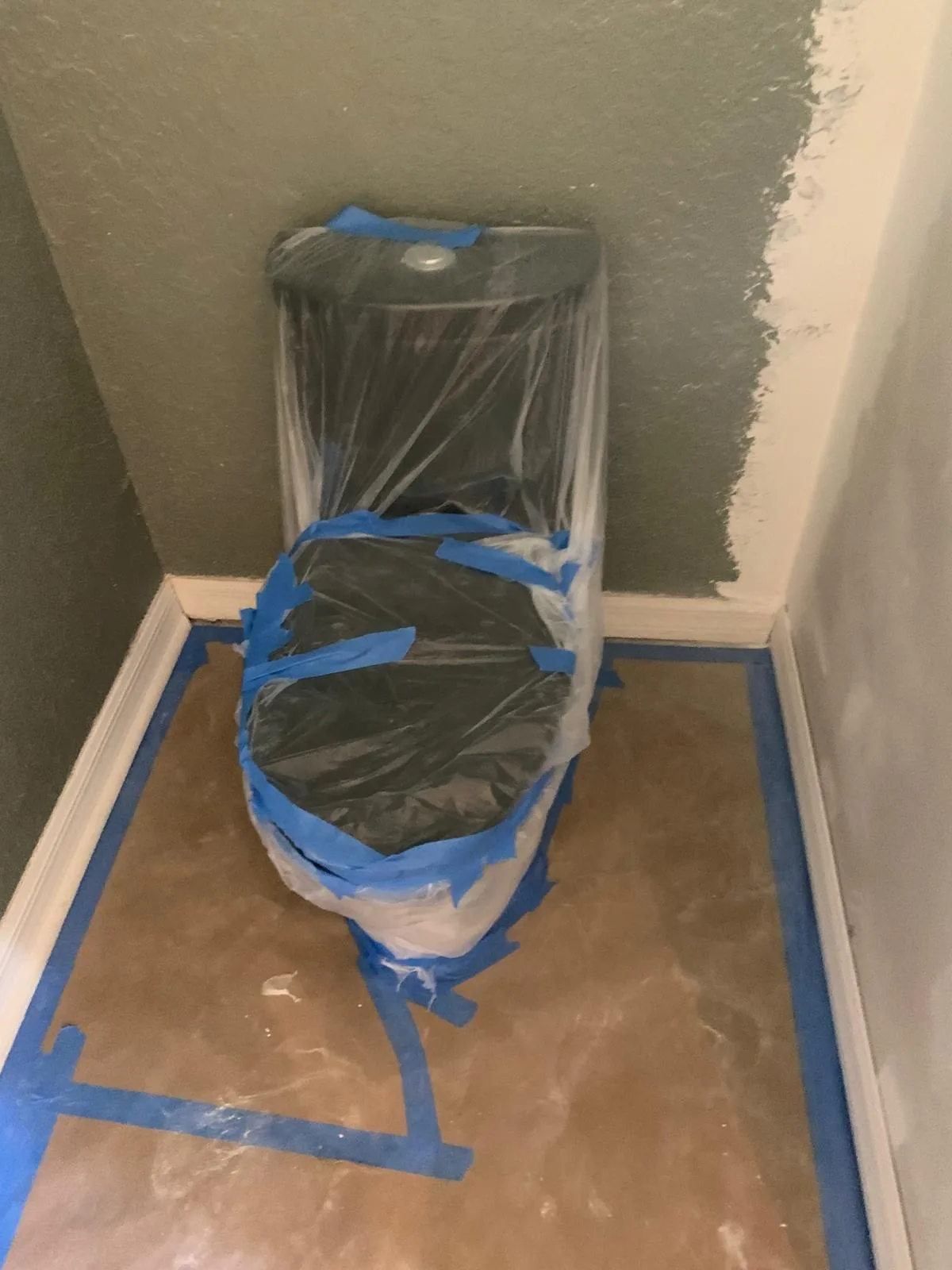
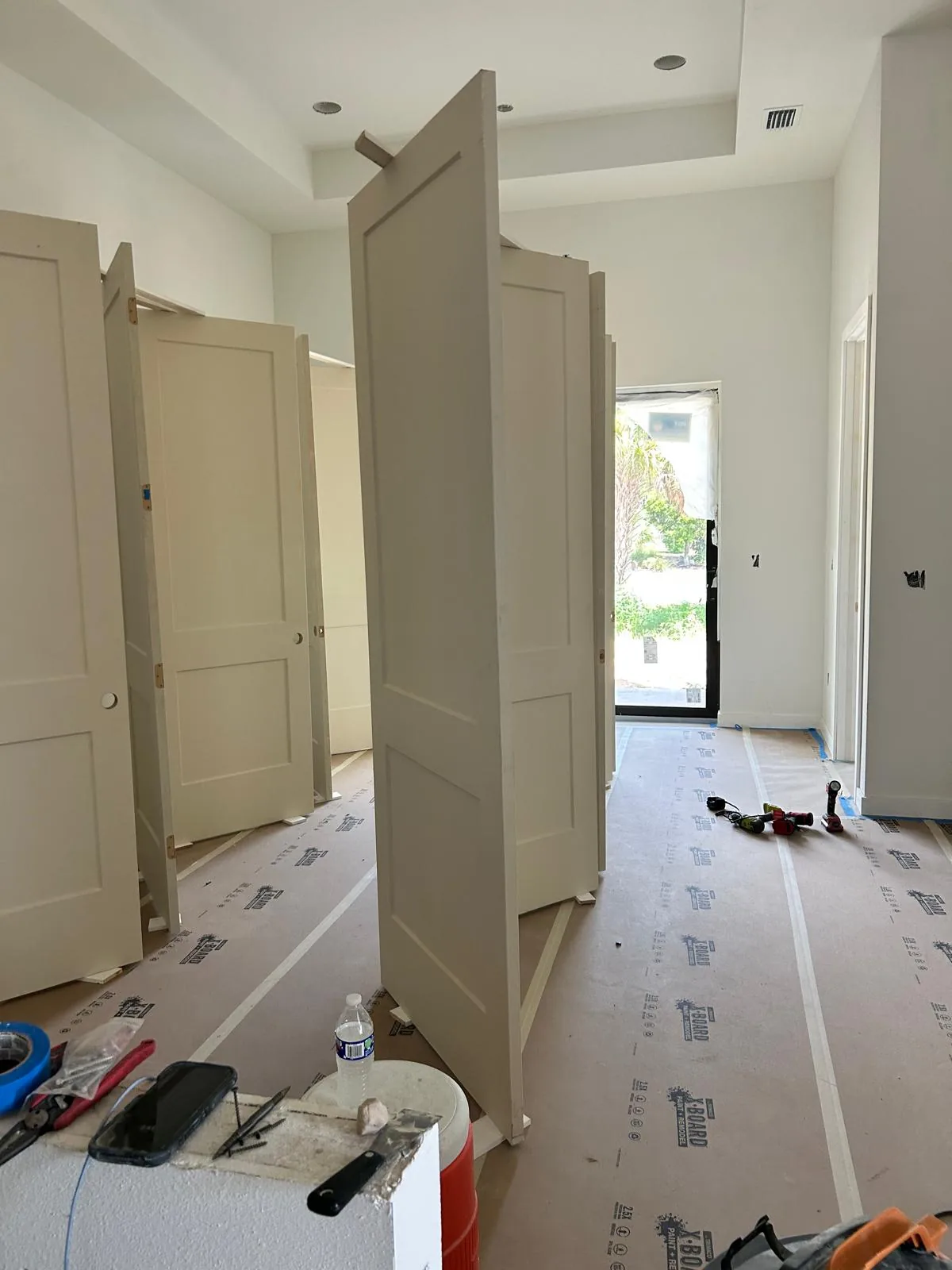
On day one everything gets covered before anything gets opened. Floors are protected with drop cloths or paper, furniture is moved and wrapped as agreed, and edges, switch plates, fixtures and windows are masked. Outside, we cover plants, lanai furniture, the driveway and anything else that should not end up the same color as the wall.
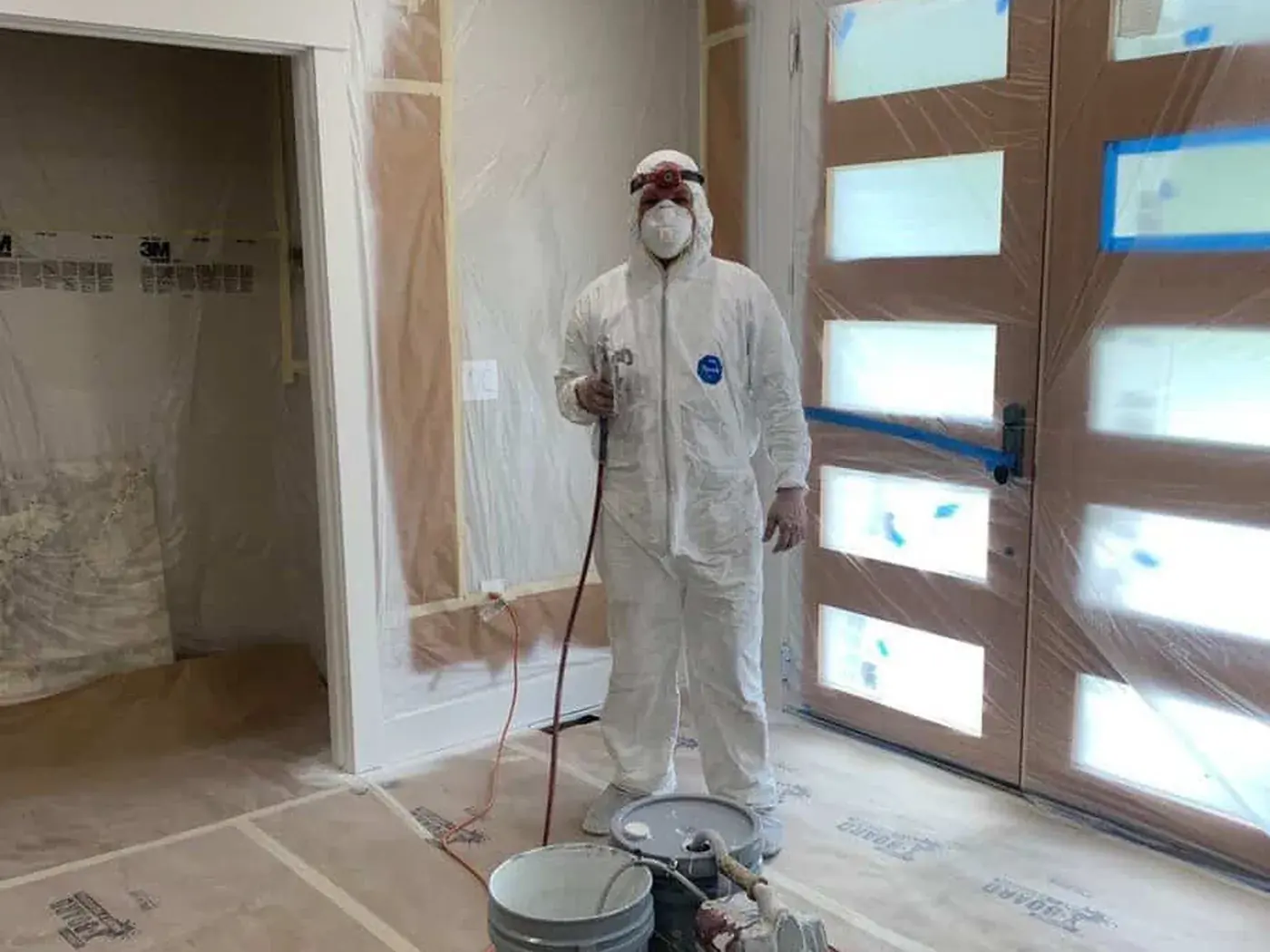
How the painting itself is done
The surface is prepared first, then painted. That order is the whole method.
Wash
Exterior walls are pressure washed or soft washed to remove chalk, mildew and salt. Interiors get kitchen grease and handprints cleaned off. Paint does not stick to dirt.
Repair
Hairline stucco cracks are opened and filled, drywall dings and nail pops patched, and texture matched to the wall around it.
Caulk and prime
Failed caulk is cut out and renewed at windows, doors and trim joints. Primer goes on bare spots, stains, patches and slick surfaces, with an adhesion primer where needed.
Two finish coats
Two full coats as standard, with proper drying time between them. One coat may look fine on day one; it fades and wears through much sooner.
Cleanup, walkthrough and touch-ups
We clean up at the end of every working day, not just the last one. Tools go back in the truck, walkways are cleared and the rooms you need tonight are usable tonight.
When the painting is done, we walk the whole job with you. You hold the list and point at anything that is not right — a missed spot on a ceiling, a rough edge on the trim, a spot where the tape lifted. Those touch-ups get finished before we call the job complete, and leftover paint is labeled and left with you for later.
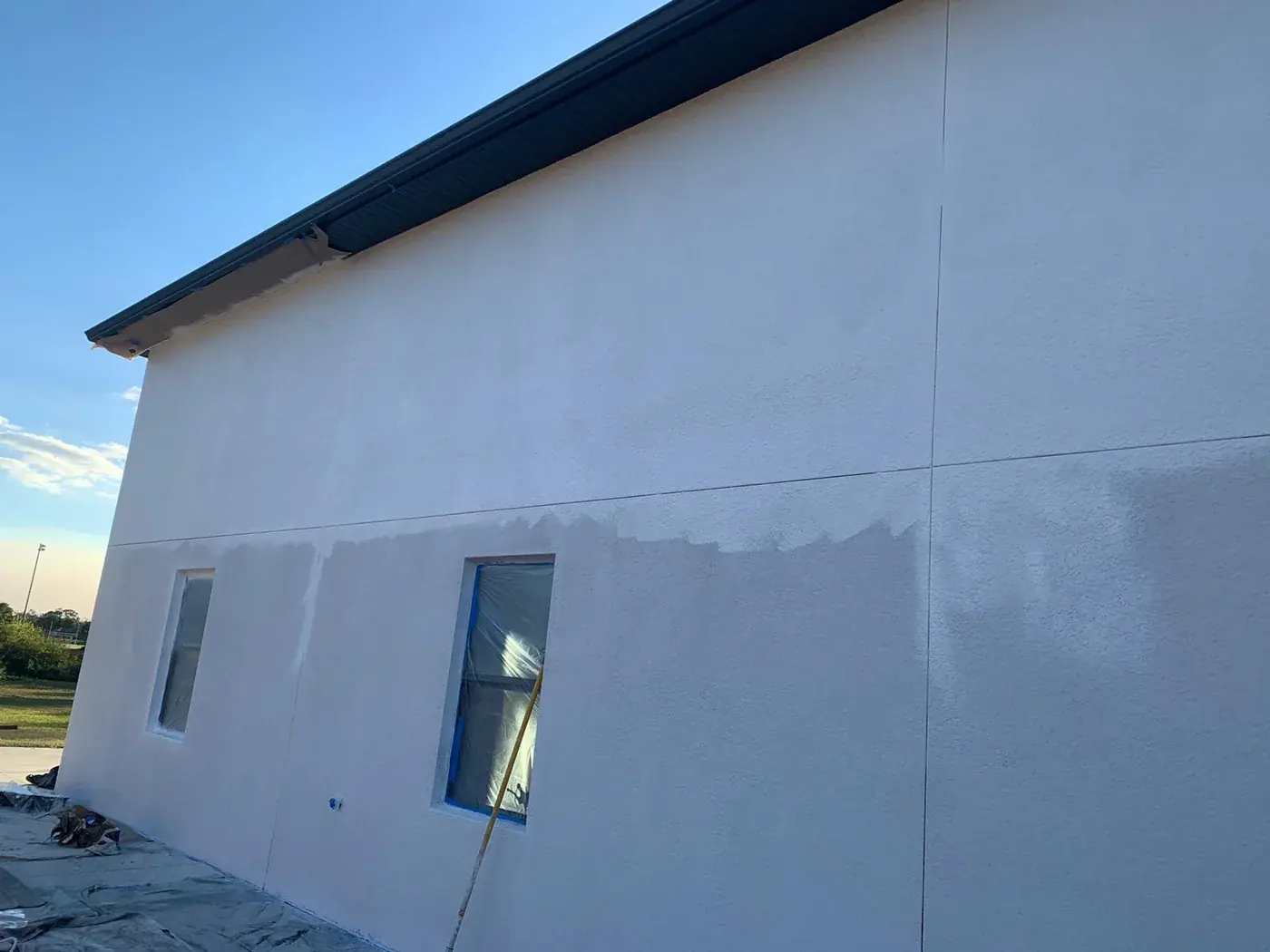
The final walk-through and touch-ups
At the end of the job we walk it with you and note anything that needs a touch-up. Those touch-ups are done before we leave and before final payment. If you ask us to cut preparation or coats, we write into the quote which step was cut, so nobody is surprised later. Leaks, structural movement and moisture coming from behind the wall are outside what painting can fix.
How the house is protected
Floors are covered and taped at the baseboard, fixtures are wrapped, and only then does the paint come out.
About the way we work
Do I need to be home for the estimate?
For interiors, yes — we need to get in and it helps to talk through colors on the spot. For exteriors you can be away if we have gate or lanai access; we send the quote and photos afterwards. Book a visit through the contact page.
What happens if you find rot or damage once work has started?
We stop, show you and agree the extra cost in writing before carrying on. Nothing is added to the invoice that you did not approve. Patch and texture repair before paint is part of our drywall repair work.
Why two coats if one looks fine?
One coat rarely builds enough film to hold color under Florida sun, and thin spots show in low light. The second coat is what makes the finish last, which is why it is standard on every exterior and interior quote rather than an upgrade.
When do I pay?
The payment terms are written into your quote. Unless it says otherwise, the balance is due on completion, after the final walkthrough and touch-ups. More on what affects the total is on our pricing page.
Want to start step one?
Send a few photos or call. The estimate is free and the quote comes in writing.