


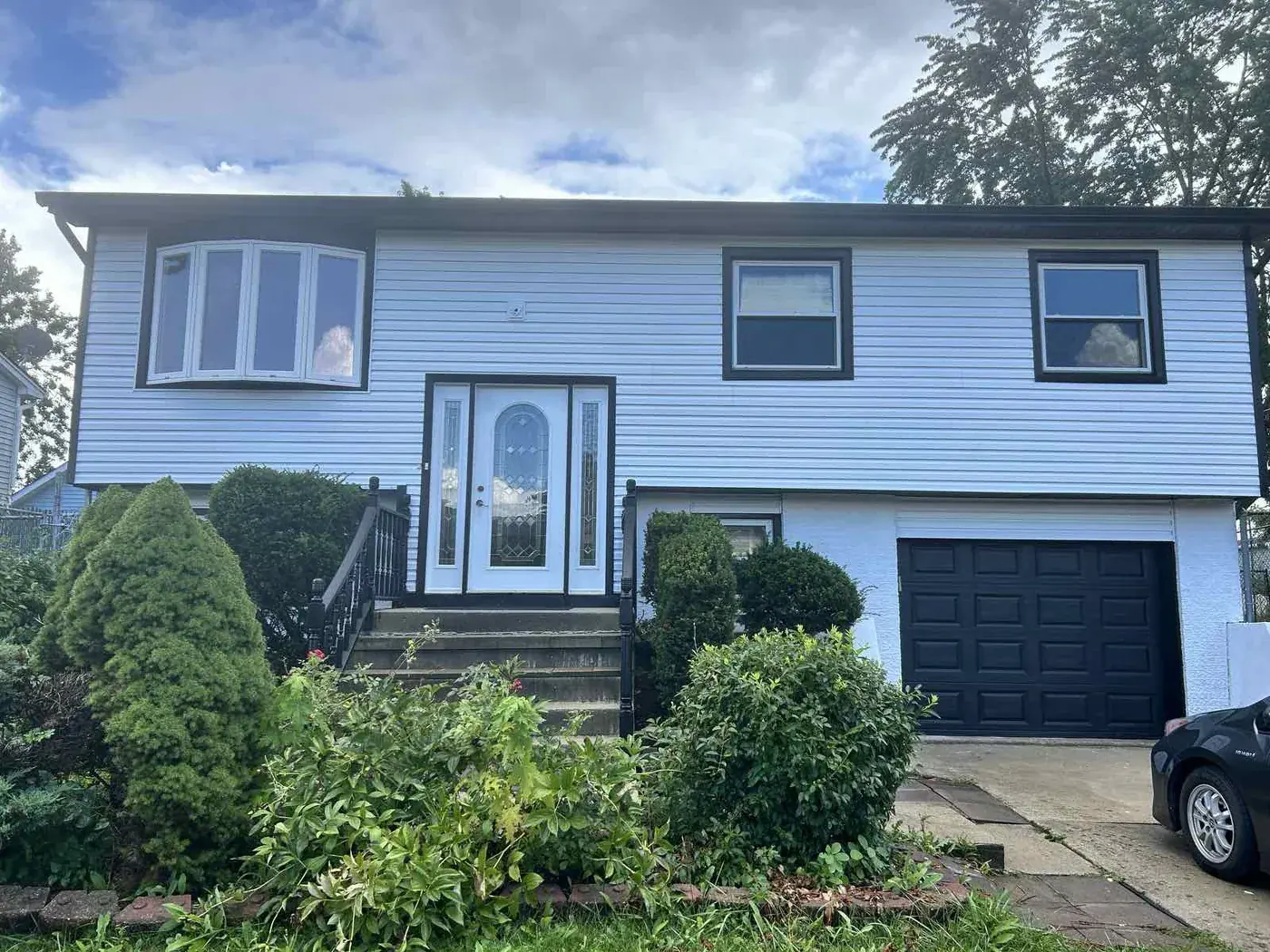
Stucco painting, cracks repaired — not skinned over
Nearly every home here is concrete block with a stucco skin. That skin moves, cracks and drinks coating in a way siding never does, and it needs a different approach.
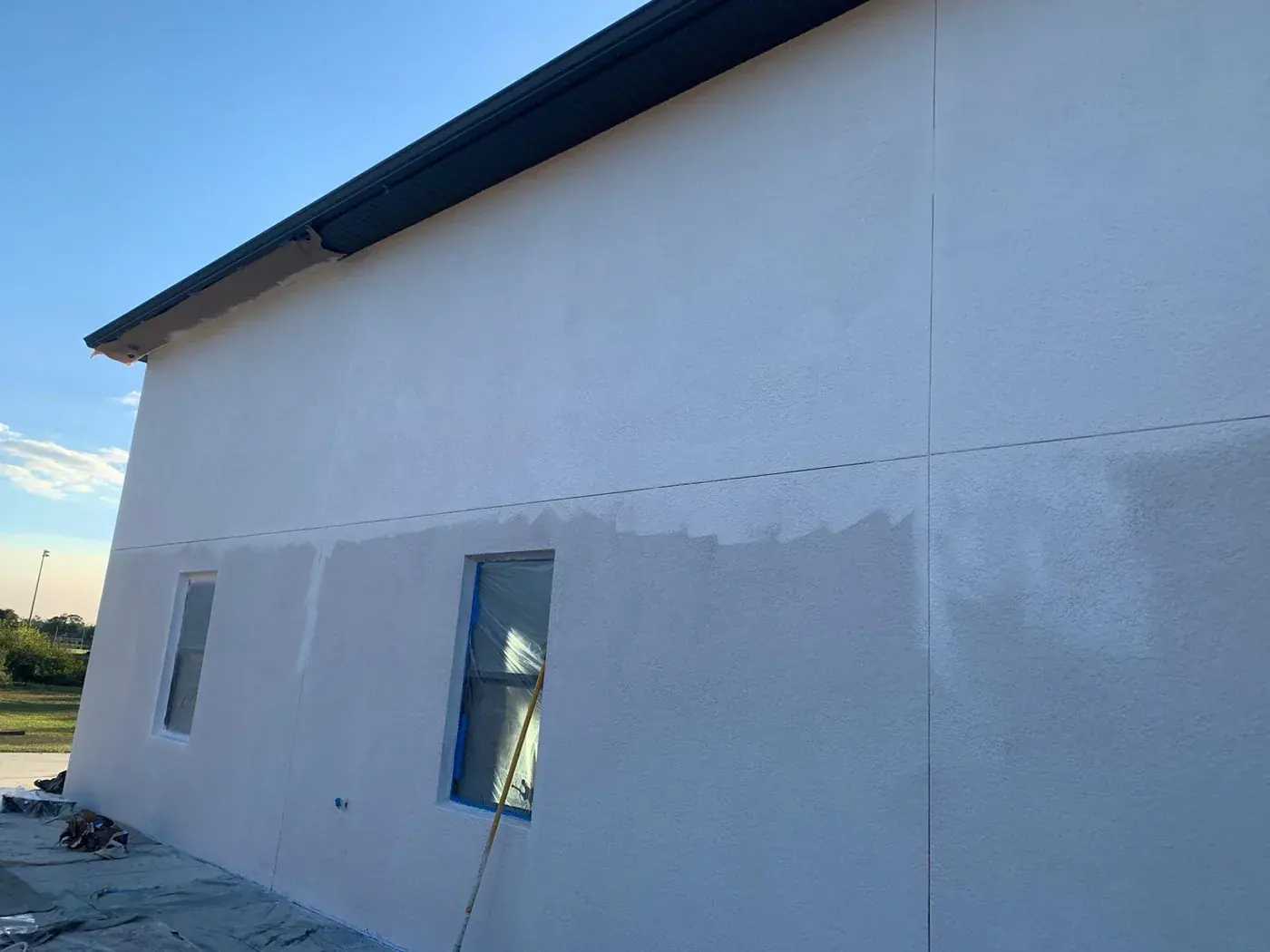
Hairline cracking in stucco is normal. Block and stucco expand and contract with heat, and the coat on top has to move with them. The problem is not that cracks appear — it is what happens when someone paints straight over them.
A standard exterior coating spans a hairline crack for about one season. Then it splits along exactly the same line, and now there is a paint edge lifting on both sides of it.
How we handle masonry
- Cracks opened and filled — a hairline crack is widened slightly so filler has something to hold onto
- Texture matched so repairs disappear instead of reading as smooth patches across a rough wall
- Masonry primer on bare or repaired stucco, which is porous and will otherwise drink the finish coat
- Elastomeric where it earns its place — a thick flexible coating that bridges movement, used where the wall calls for it
- Breathable systems on brick — masonry has to release moisture, and the wrong film traps it and blisters
- Back-rolled coats so the coating is pushed into the texture rather than sitting on the high points
Elastomeric is not automatically the answer
Elastomeric coatings are excellent at what they do: they go on thick, stay flexible and bridge movement that would split a normal coat. They are also more expensive, and on a wall with a moisture problem behind it they can make things worse by holding water in.
So we look at the wall first. Sound stucco with typical hairline movement is a good candidate. A wall that is staining, efflorescing or soft has a different problem, and coating it is the wrong fix.
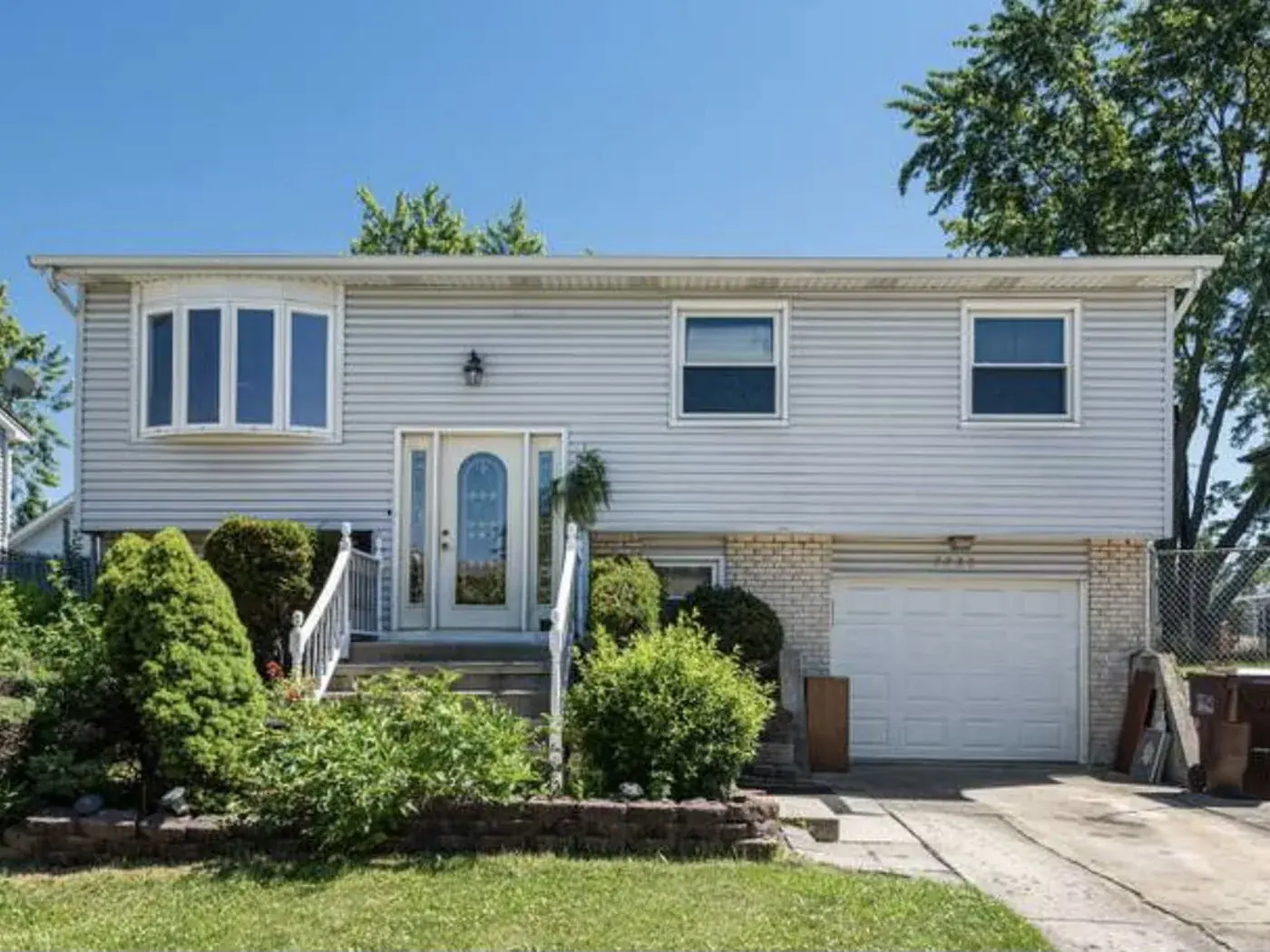
Painted brick is a one-way door
Brick can be painted and it can look excellent. It is worth knowing that getting paint back off brick is difficult, expensive and often impossible without damaging the face. We will make sure you are sure.
How block and stucco walls behave in Florida
Most houses here are concrete block with a stucco skin, and that changes what the coating has to do. Block and stucco hold moisture and need to let it out, so paint has to breathe instead of sealing the wall like a bag. Wood siding flexes and wants a flexible film over a stable primed base; stucco barely moves in the plane but cracks where the structure behind it does. One product does not answer both problems.
That is why stucco painting in Port Charlotte and North Port usually means a quality 100 percent acrylic masonry coating at full spread rate, not elastomeric by default. Elastomeric earns its keep on walls with widespread hairline cracking and a substrate known to be dry. On a wall taking on water from a failed window seal it traps that water, and the paint comes off in sheets a year later.
Spread rate counts as much as product choice. Sprayed and back-rolled to the manufacturer's stated coverage, two coats, worked into the texture rather than laid over it. A gallon stretched across 500 square feet of knockdown looks fine while it is wet and looks thin within a year, particularly on a west wall taking the full afternoon.
Hairline cracks, patching and honest texture matching
Hairline cracking is mostly thermal movement, and it is normal on a wall whose surface temperature swings forty degrees between dawn and mid-afternoon. Tight hairlines get bridged with a brushed coat of elastomeric patching compound or filled with a paintable sealant and textured back in. Anything wide enough to take a business card gets opened up, cleaned and patched with a cementitious stucco patch instead of caulk.
Texture matching is where honesty beats optimism. Dash, sand and knockdown finishes can be reproduced closely, and across a large field of wall the repair disappears once it is coated. A small patch in the middle of a flat area at eye level, seen in raking evening light, is findable if you go looking for it. You will be told which category your repair falls into before work starts.
Cracks that keep returning on the same line are not paint failure. A step crack running diagonally from a window corner, or a straight horizontal line at the tie beam, is movement, and coating it only restarts the clock. Structural work is not offered here; such cracks get pointed out and you get told to have them looked at, rather than quietly filled twice.
Why new stucco has to cure before painting
Fresh stucco is alkaline and full of water. Coating it early gives you alkali burn, colour shift and poor adhesion, so new stucco wants roughly 28 days before paint, or a masonry primer built for high pH if a closing date genuinely will not wait. Anyone saying it is fine to coat in week one is scheduling around themselves rather than around your wall.
Efflorescence is the white powdery bloom that appears where moisture carries salts out to the face of block or brick. It has to be brushed off dry and then washed, and more importantly the water getting in has to be found. Usual culprits are sprinkler heads hitting the wall, a mulch bed piled up over the stucco stop, and a downspout dumping at the base. Coat over active efflorescence and it pushes the film off from behind.
Below-grade contact is another limit worth saying out loud. Where stucco vanishes into soil or a patio pour, the wall gets painted down to a clean line and stopped there, because anything wicking ground moisture will blister whatever is put on it. The fix in that spot is grade and drainage, not a different can of paint.
Painting brick is hard to undo later
Brick is close to a one-way decision, so it is worth sleeping on. Once a brick veneer or a brick accent wall is coated, going back to bare brick means chemical stripping or abrasive blasting, both expensive and both capable of permanently wrecking the fired face of the brick. If you are unsure, paint the trim, live with it a season and decide next year. The brick will still be there.
When it is going ahead, the wall gets washed, loose mortar repointed first, then a masonry primer over bare brick and two finish coats worked into the joints with a brush as well as a roller. Breathability is the whole game on brick — a tight, low-permeability film over brick that gets wet from behind will spall the face, and salt air near the coast speeds that up.
Painted brick also asks for upkeep. Expect touch-ups along mortar lines and a shorter repaint cycle than stucco. Garden walls, low planters and brick around a pool deck take irrigation spray and splash constantly, and those are often better cleaned than coated — pressure washing may be the whole answer, at a fraction of the cost.
What people ask about stucco & brick painting
My stucco cracks keep coming back. Why?
Because filler alone moves differently than the wall does. Repairs have to be flexible and the coating over them has to be able to stretch. If cracks return in the same lines every year, the coating system is the issue, not the filler.
Do you fix stucco damage as well as paint it?
We repair cracks, small holes and damaged edges as part of prep. Structural stucco failure — large sections delaminating from the block — is a stucco contractor's job, and we will say so rather than paint over it.
Is elastomeric worth the extra cost?
On a wall that keeps hairline cracking, usually yes. On sound stucco in a sheltered position, a quality acrylic will do the job for less. We quote both when it is a genuine choice.
Can you match my existing stucco texture?
Knockdown, sand and dash finishes can all be matched closely on repairs. A patch is rarely invisible from six inches away — from across the yard it should be.
Is elastomeric coating worth the extra cost on my house?
Sometimes. On a block wall with lots of fine hairline cracking and no moisture intrusion, elastomeric bridges those cracks and buys years. On a wall with a leak behind it, or on wood, it is the wrong answer and can make failure worse by holding water in. It also needs to go on thick, at a much lower coverage rate, so a cheap elastomeric job is really no elastomeric job at all.
Will painting seal the hairline cracks for good?
No, and nobody should promise that. The wall keeps expanding and contracting every day, so some filled hairlines will show again, usually along the same lines and usually within a couple of years. A properly bridged crack stays closed far longer than a caulked one, and a repaint deals with the rest. Paint is maintenance on a moving wall, not a permanent repair to it.
Can you match the existing colour on just one stucco elevation?
A colour code can be matched, but a ten-year-old wall cannot. UV has already shifted and flattened what is up there, so new paint mixed to the original formula will look brighter and glossier beside it. Where the work stops at an outside corner, nobody notices. Where it has to stop mid-wall, it shows. That is worth knowing before you decide to do half the house.
Does painting stucco keep water out of the wall?
Not on its own. Paint sheds rain off the face and slows absorption, which helps, but water gets into a Florida block house at failed window and door sealant, at penetrations, around a lanai attachment and through cracks wider than a hairline. Those get addressed during prep because they have to be, and if something needs a roofer or a window contractor, you will be told rather than painted over.
Stucco & Brick Painting near you
We work across Sarasota and Charlotte counties from our base in North Port, and travel south into Lee and Collier counties on request.
Want a price for stucco & brick painting?
Send a couple of photos and the address. You get a written fixed quote, usually the same business day.