


Wallpaper removal, and the wall actually made good
Half the wallpaper jobs we are called to are rescues: someone pulled the paper off, painted straight over what was left, and now the whole wall is a map of seams and bubbles.
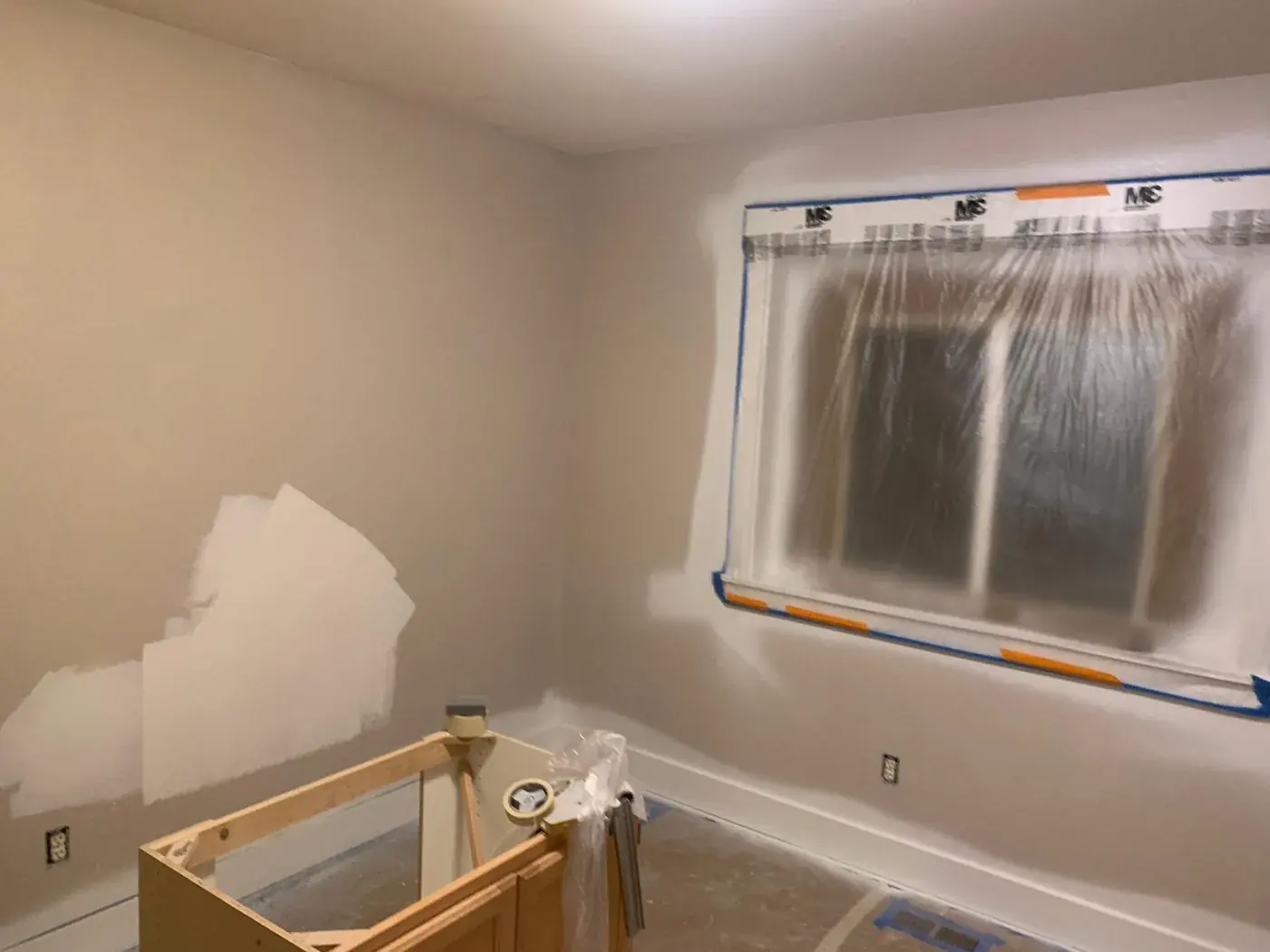
Removing wallpaper is the easy half. What decides the result is the adhesive underneath and the drywall paper that comes off with it. Old adhesive stays slightly soluble for years, so a coat of paint over it re-wets it and you get bubbling weeks later.
Florida adds two wrinkles. A lot of condo and villa walls were papered over unprimed drywall in the seventies and eighties, which means the face paper tears when the covering comes off. And vinyl wallcovering in a humid house traps moisture behind it — occasionally we open a wall and find the reason the owner wanted it gone in the first place.
How we do it
- Room emptied and protected — this is a wet, messy job and floors get covered properly, not with a bedsheet
- Scored and steamed where the covering will not release dry
- Adhesive washed off, not just scraped — the step most people skip and the one that causes bubbling later
- Torn drywall face repaired and the wall skim coated flat
- Texture matched if the rest of the room is knockdown or orange peel, so the wall does not read as a patch
- Sealed with a primer that blocks residue, then two finish coats
What it costs and why quotes differ so much
Two quotes for the same room can differ by a factor of three, and it is almost never about the paint. It is about whether the adhesive gets washed and whether the damaged drywall gets skimmed or just filled at the worst spots.
We test a small area at the estimate to see how the covering is coming off, and we tell you then which of the two jobs yours is. A room that peels cleanly is quick. A room where the face paper is tearing is a skim coat, and pretending otherwise just moves the problem to your paint.
Can you paint over wallpaper instead?
Occasionally, yes — if the covering is thin, tightly stuck everywhere and the seams are flat, sealing and painting it is a legitimate choice and we will say so. On vinyl, on anything with a texture, or anywhere a seam has lifted, it is a short-lived fix and we will not recommend it.
Pull a test section before quoting the room
No two wallpaper jobs peel the same way, so the first move is a test section in a corner or behind a door. That tells us three things at once: whether the face is vinyl or paper, whether the installer primed and sized the drywall underneath, and how the adhesive is behaving after twenty or thirty years in Gulf Coast humidity.
Paper hung over properly primed drywall often releases in long sheets and makes for a straightforward day. Paper glued directly to bare board is the bad version. The adhesive bonded to the paper face of the drywall itself, and stripping it tears that face, which means skim coating the whole wall afterward. A great many houses built through the late eighties and nineties fall into the second category.
Finding that out during a free estimate is better than finding it out on a Saturday afternoon. It changes the number, and knowing in advance is the difference between a written fixed price and a surprise. On wallpaper removal Venice FL jobs we usually test two walls rather than one, since bathrooms and kitchens were often papered years apart from the rest of the house.
Scoring, soaking and stripping without gouging the board
Vinyl faces have to be perforated before anything can get behind them. A scoring tool run in overlapping circles opens the surface without cutting into the drywall, then a gel or enzyme stripper is rolled on and left to dwell. Dwell time is the whole trick. Fifteen minutes of patience beats an hour of prying, and prying is what leaves crescent-shaped gouges across a wall.
Steam has its place, mostly on old paper over plaster, but on modern drywall it is easy to overdo. Too much steam softens the board itself, and then a paper problem has been traded for a mud problem across the whole wall. We use it selectively, from a distance, and stop as soon as the seams release.
Two passes is normal: the decorative face comes off first, then the backing paper, which is often a different material and needs its own soak. Anyone promising a papered room in one pass has not done many of them.
Stripped walls then get rinsed with clean water and a sponge, not simply wiped. Sand and hard water leave a film of their own here, and rinsing with dirty water moves the paste around instead of removing it.
Why every trace of paste must come off
Wallpaper adhesive is water-soluble, and that is exactly the problem. Leave a thin invisible film on the wall, roll latex paint over it, and the water in the paint reactivates the glue. What follows is bubbling, crazing, or a finish that lifts in sheets months later, none of it obvious in the first week.
So the wall gets checked wet and dry. A damp sponge glides on clean drywall; over residual paste it drags and turns tacky. Where a stubborn film will not release, we seal it with a shellac or oil-based primer so waterborne topcoats never touch the glue. That is standard trade practice, not a shortcut.
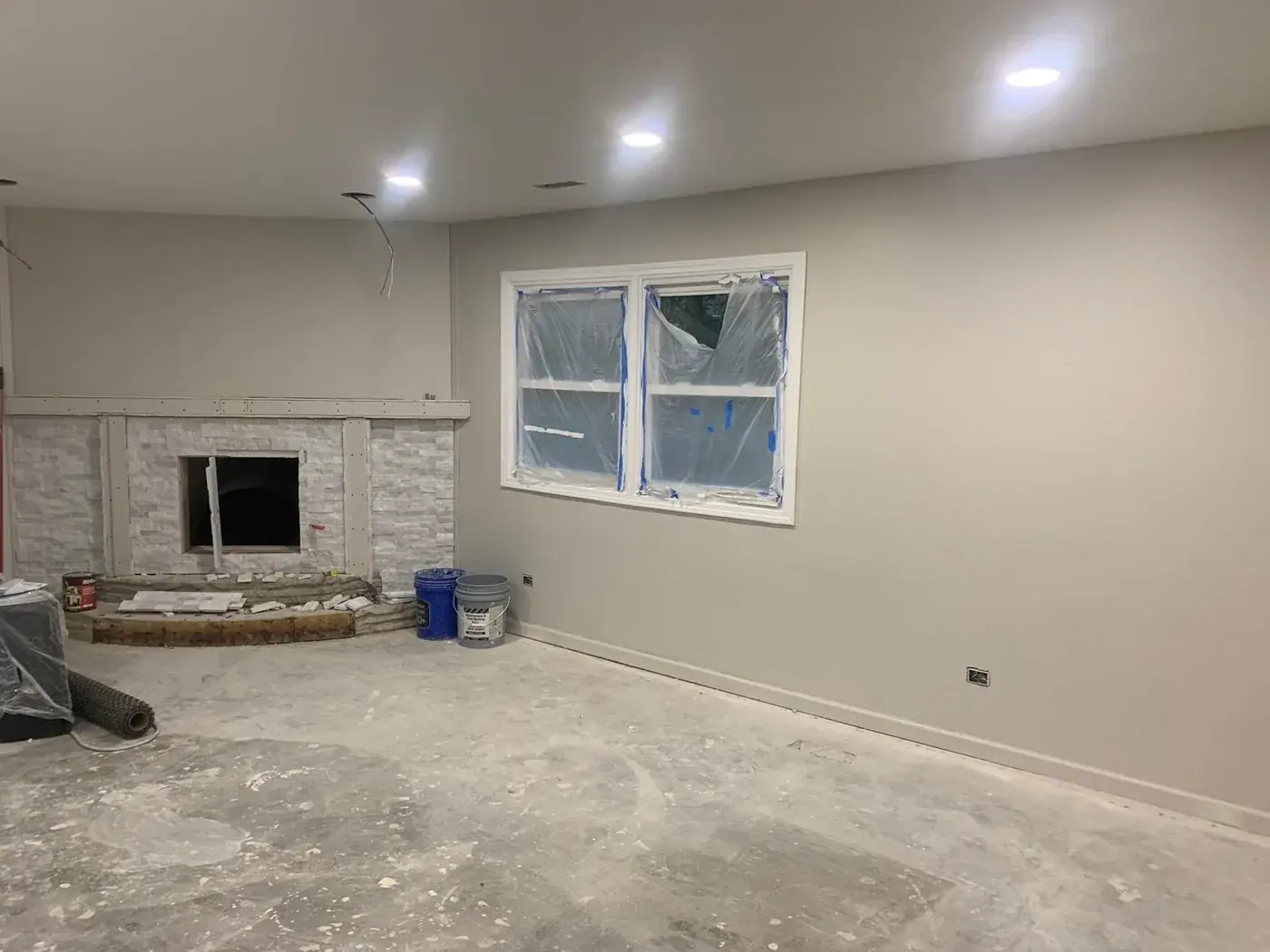
Once the walls are clean, torn face paper and open seams get skimmed, sanded to 150 grit, and primed. Only then does color go on. Most rooms finish in matte or eggshell; bathrooms get a satin that can be wiped.
One thing we will not do quietly is paint over wallpaper and call it a paint job. There are cases where it is the only sensible money, a rental turnover or sound seam-free vinyl. If that is the decision we prime it, caulk the seams, and state in writing that the reduced prep falls outside the warranty.
Bathrooms, borders and seasonal condo walls
The most common wallpaper call in Sarasota and Charlotte counties is not a whole room. It is a border strip at the top of a guest bath, a papered powder room, or a kitchen soffit left over from a nineties remodel. Small footprint, awkward work: tight corners, around mirrors and cabinet runs, over a vanity nobody can move.
Humidity works against those rooms twice. It helped the seams let go in the first place, and it slows every coat that follows. In a house closed up from May to October with the thermostat at eighty, coatings dry slowly and mildew has had months behind the vinyl. We run the air conditioning and the exhaust fan and inspect for growth before primer.
In condo buildings from Siesta Key to Punta Gorda there is usually a rule about work hours, parking, elevator use and how debris leaves. Hand us the association sheet at the estimate rather than letting the front desk tell us on the first morning.
Once the walls are flat and clean they are a blank surface, which is the moment to decide whether one should become an accent wall rather than another coat of the same color.
What people ask about wallpaper removal
How long does a room take?
A single average room is usually one to two days, and the second day is the repair and prime, not the stripping. Whole houses papered throughout run longer and we schedule them room by room so you keep the house.
Will the walls need skim coating?
Sometimes. If the drywall was primed before papering, often not. If it was papered bare — common in homes from the seventies and eighties — the face tears and a skim coat is the only way to get a flat wall.
Do you do the painting afterwards as well?
Yes, and it is normally one quote. Splitting removal and painting between two trades is where responsibility for a bubbling wall gets lost.
We are up north until the season — can this happen while we are away?
That is the ideal time for it. It is the messiest interior job we do, and an empty house makes it faster and cheaper. We send photos as it goes.
Can you just paint over the wallpaper and save the labor?
It can be done, and on a rental or a tight budget it is sometimes the right call. The seams still show, corners still lift, and the day it finally does come off you are removing paper plus paint. If we go that route, the surface gets an oil-based or shellac primer first and the seams get caulked, and the quote states plainly that this reduced prep is not covered by the workmanship warranty.
How long will the room be out of use?
A powder room is typically two working days, a large bedroom three to four, longer where the drywall face tore and needs skim coating. The variable is drying, not stripping. In summer, with the dew point high, compound and primer both take longer than the label claims, and we would rather add half a day than paint over something still holding moisture.
The paper runs behind the toilet and the vanity. Do those come out?
The toilet normally stays and we work around it with hand tools. Pedestal sinks and floating vanities we can usually reach behind. A built-in vanity tight against a papered wall is the one case where pulling the fixture makes sense, and that is a plumber's call rather than ours. We will show you exactly which strip would stay covered so you can decide before work starts.
Will removal damage the drywall underneath?
Some surface damage is normal, particularly where paper was hung on unprimed board. Torn face paper, open seams and a few gouges are expected and get repaired as part of the job, the same way they would under drywall and texture repair.
What is not normal is deep gouging or a wall left soft from oversteaming. That is a technique problem, not an unavoidable cost.
Wallpaper Removal near you
We work across Sarasota and Charlotte counties from our base in North Port, and travel south into Lee and Collier counties on request.
Want a price for wallpaper removal?
Send a couple of photos and the address. You get a written fixed quote, usually the same business day.