
The Right Time of Year to Paint a House Exterior in Southwest Florida
Dry season is the easy window, summer is workable with early starts, and hurricane season changes how a job is sequenced — here is how the calendar really plays out.
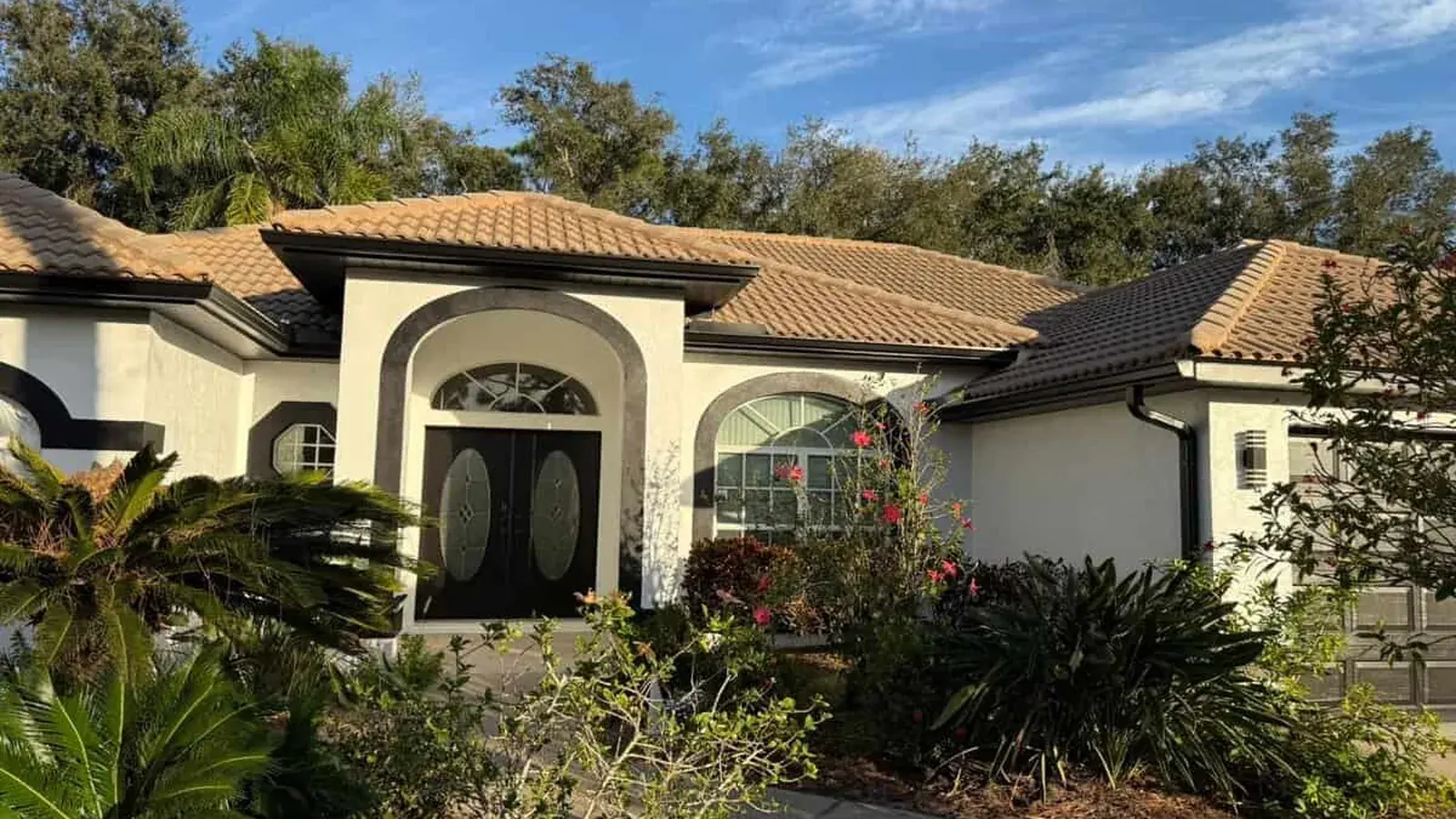
The easiest time to paint a house exterior in Southwest Florida is the dry season, roughly November through April. Humidity is lower, afternoon storms are rare, nights are mild and the paint gets the long, dry hours it needs to cure. That does not make summer off limits: exterior painting can be done here all year, as long as the work is scheduled around heat, dew and the daily afternoon storm. What changes from season to season is not whether the job can be done, but how the day is run.
Below is what each part of the year means for a stucco or block house between Sarasota and Naples, and why the time of year you pick matters less than the prep and scheduling behind it.
Why November through April is the easiest time to paint a house exterior
Exterior acrylics dry by losing water to the air. When the air is already heavy with moisture, that slows down, and the film stays soft and vulnerable for longer. From late fall into spring, relative humidity drops, the afternoon thunderstorm mostly disappears, and a wall that was washed in the morning is often dry enough to prime by the next day.
Surface temperature is friendlier too. In July, a west-facing stucco wall can run far hotter than the air around it by mid-afternoon. Paint applied to a wall that hot flashes dry on the surface before it has flowed into the texture, which leaves lap marks and a thin, uneven film. In January the same wall stays in a comfortable range most of the day, so more of the house can be coated in one pass.
The trade-off is demand. This is when seasonal residents are in town and when most homeowners want the work done, so calendars fill weeks ahead. If you want your exterior painted in February, it is worth asking for the estimate in the fall.
The occasional cold front
Southwest Florida does get a handful of chilly mornings each winter. Every exterior product lists a minimum application temperature on its label, and the surface — not just the air — needs to be above it. On those mornings the start simply moves to late morning, once the sun has warmed the block. It rarely costs more than a few hours.
Painting during the rainy season, June through September
Summer exterior work is common here, and it can come out just as well as a winter job. The rules are stricter, that is all. Storms usually build inland in the early afternoon and roll toward the coast, so coats go on in the morning and the crew stops when the sky says stop. A wall has to reach a rain-safe state before the first drops arrive, or the fresh coat streaks and has to be redone.
- Early starts — prep and coating begin as soon as the dew is off the wall, often around seven or eight
- Follow the shade — south and west elevations get coated while they are still cool, the east side waits for afternoon shade
- Longer drying after washing — stucco holds water, so a washed wall may need a full day before it is ready
- Short days on purpose — stopping at two in the afternoon is planning, not a lack of effort
Dew point and the morning sweat
The quiet problem in summer is not rain but condensation. Most exterior coatings want the surface at least five degrees above the dew point, with humidity falling. Paint a wall that is about to sweat and you get poor adhesion and a blotchy, uneven sheen that shows up weeks later. In August that can mean waiting until mid-morning on shaded walls even when the sky is clear.
The upside of summer is availability. Many seasonal homes are empty, the busy season has not started, and a summer exterior can often be scheduled sooner. For owners who are up north for the summer, an empty house is also the easiest house to paint — see our notes for seasonal homeowners.
How hurricane season changes the job
The Atlantic hurricane season officially runs from June 1 to November 30, and the most active stretch for this coast is usually August through October. Paint does not care about the season name, but the sequence of the work does.
During those months, a house is not opened up all at once. One elevation is washed, repaired, primed and carried through its finish coats before the next one starts, so nothing is left bare if a storm turns toward the Gulf coast. If a system is forecast, shutters and storm panels go back up, and work resumes only when the walls have dried out. Stucco that has taken days of wind-driven rain needs time before it is coated again.
After a storm, a lot of exterior work starts with damage that is not paint. Roof, window, structural and stucco-system repairs belong to other trades, and they need to be finished first. Once they are, we handle the wash, the hairline crack repair and the coating — see stucco and brick painting for how cracks are treated.
A season-by-season guide for Southwest Florida
| Months | Typical conditions | What it means for exterior painting |
|---|---|---|
| November – December | Drying out, lower humidity, mild days | Very good painting weather; calendars start filling |
| January – February | Dry, cooler mornings, occasional cold front | Good weather, later starts on cold mornings; peak demand |
| March – April | Dry, warm, longer days | Good weather; spring lovebug flights can soil fresh paint |
| May | Hot, humidity rising, storms returning late in the month | Workable; early starts become important |
| June – September | Rainy season, daily afternoon storms, high heat | Morning work only; elevation-by-elevation; more scheduling flexibility |
| October | Storms easing, still warm, late hurricane risk | Improving fast; a good time to book the dry-season slot |
Inland neighborhoods such as those around North Port tend to see storms build a little earlier in the afternoon than the beaches. Coastal homes take more salt and wind, which matters more for prep than for timing.
Things that matter more than the month
The calendar is only one input. A few other factors decide when your exterior can actually be painted:
- HOA approval. If your community reviews exterior colors, the approval has to come first, and committees often meet monthly. Start that process before you book — our guide to getting HOA color approval explains how.
- New stucco. Fresh stucco needs roughly 28 days to cure before paint, whatever the season.
- Washing first. Chalk, mildew and salt film have to come off before any coating. A proper soft wash is part of every exterior job, and the wall has to dry afterward.
- Lovebugs. Their flights in late spring and late summer can stick to fresh paint. Wet coats get scheduled around the worst days when possible, and any residue is cleaned off rather than painted over.
Booking tip
If you want a dry-season exterior, ask for the estimate in September or October. If you are flexible, a summer slot usually comes up sooner, and the result is the same when the day is managed properly.
Whatever month you choose, the outcome depends on what happens before the first coat: washing, crack repair, caulking and primer where it is needed. That is the core of our exterior painting work, from Port Charlotte down to Fort Myers.
Timing questions we hear often
Is it a bad idea to paint my house in the summer?
No. Summer exteriors come out well when coats go on in the morning, hot walls are avoided and work stops before the storms. Expect shorter days and the occasional rain day, not a worse result.
How long does fresh exterior paint need before it rains?
It depends on the product, temperature and humidity. Most exterior acrylics need a few hours to resist rain and keep curing for weeks after that. That is why summer coating is planned to finish well before the usual afternoon storm.
Can you paint during hurricane season?
Yes. The work is done one elevation at a time, so no side of the house is left half finished, and it pauses when a storm is forecast. Storm damage to roofs, windows or structure has to be repaired by the right trade before painting.
How far ahead should I book an exterior repaint?
For January through April, ask in the fall. Add a few weeks if your HOA needs to approve the color. Summer work can often be scheduled on shorter notice.
Painting advice for Florida homes
 Paint & Products
Choosing Exterior Paint
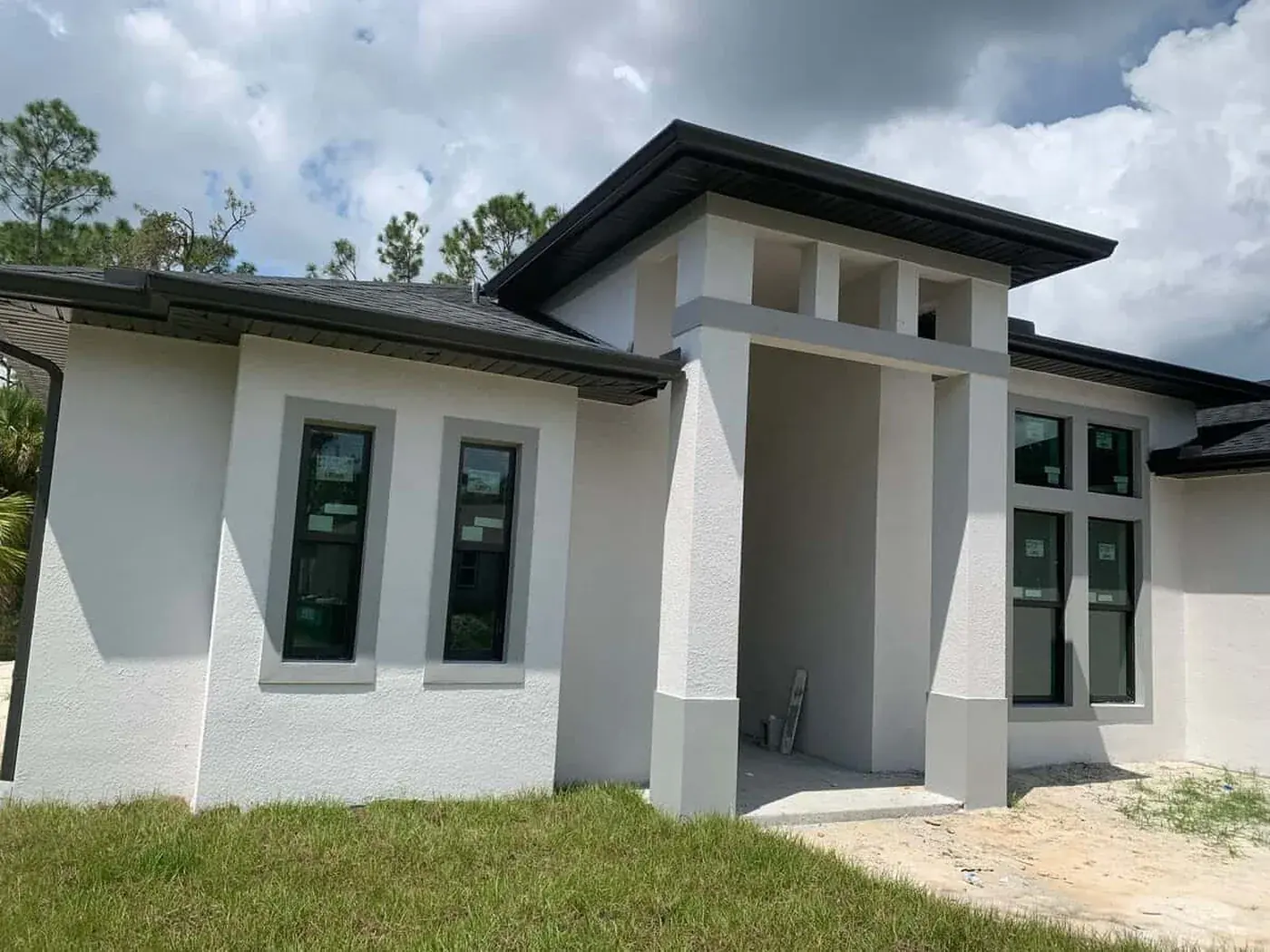
Selecting the right exterior paint is essential for Florida homes. Discover how to balance durability and cost when choosing products for your stucco exterior.
 Interior
Painting Interior Doors
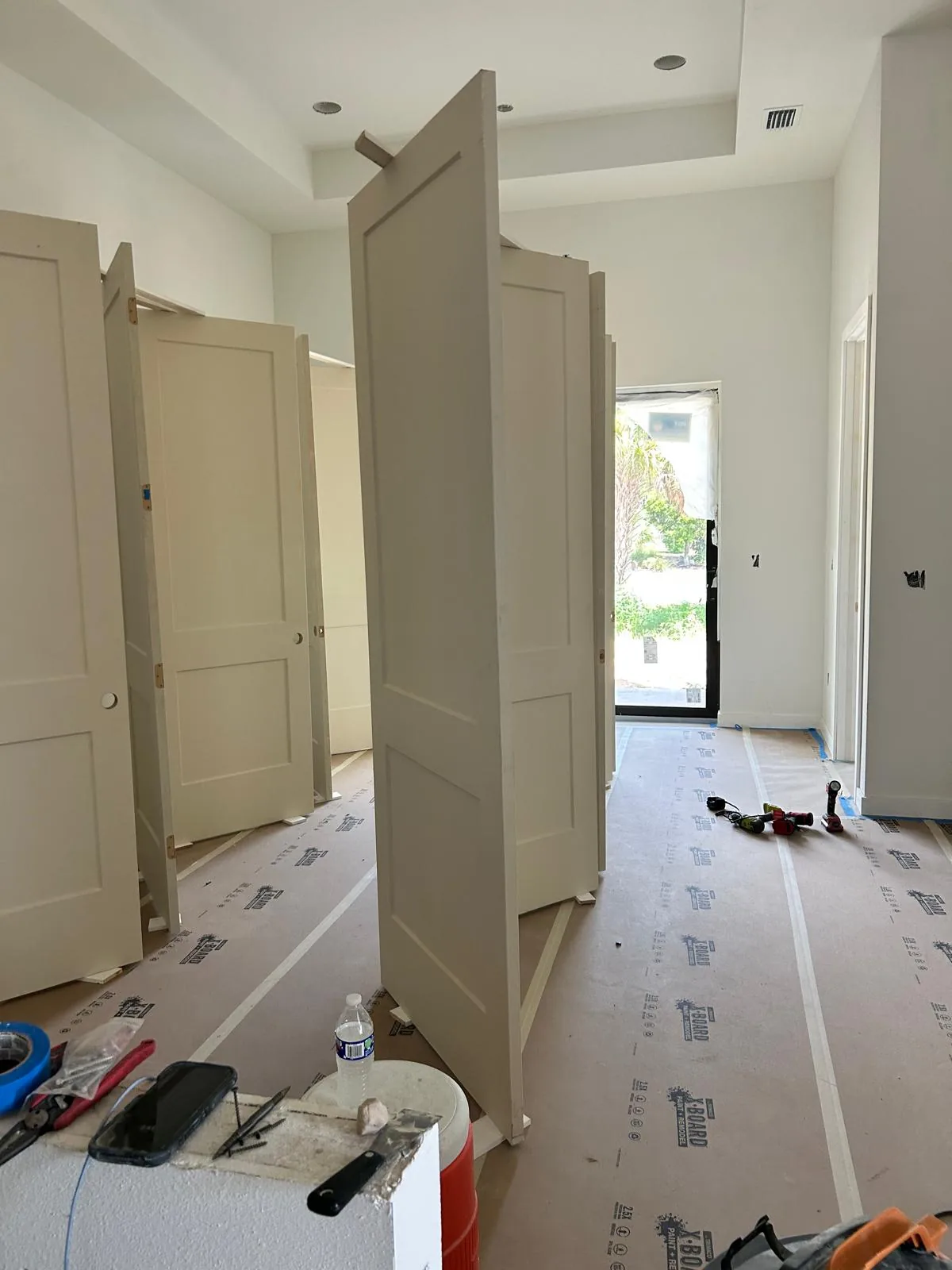
Painting interior doors is a high-impact project that transforms a room. Discover why professional preparation and spraying are the keys to a factory-like finish.
 HOA
HOA Color Approval
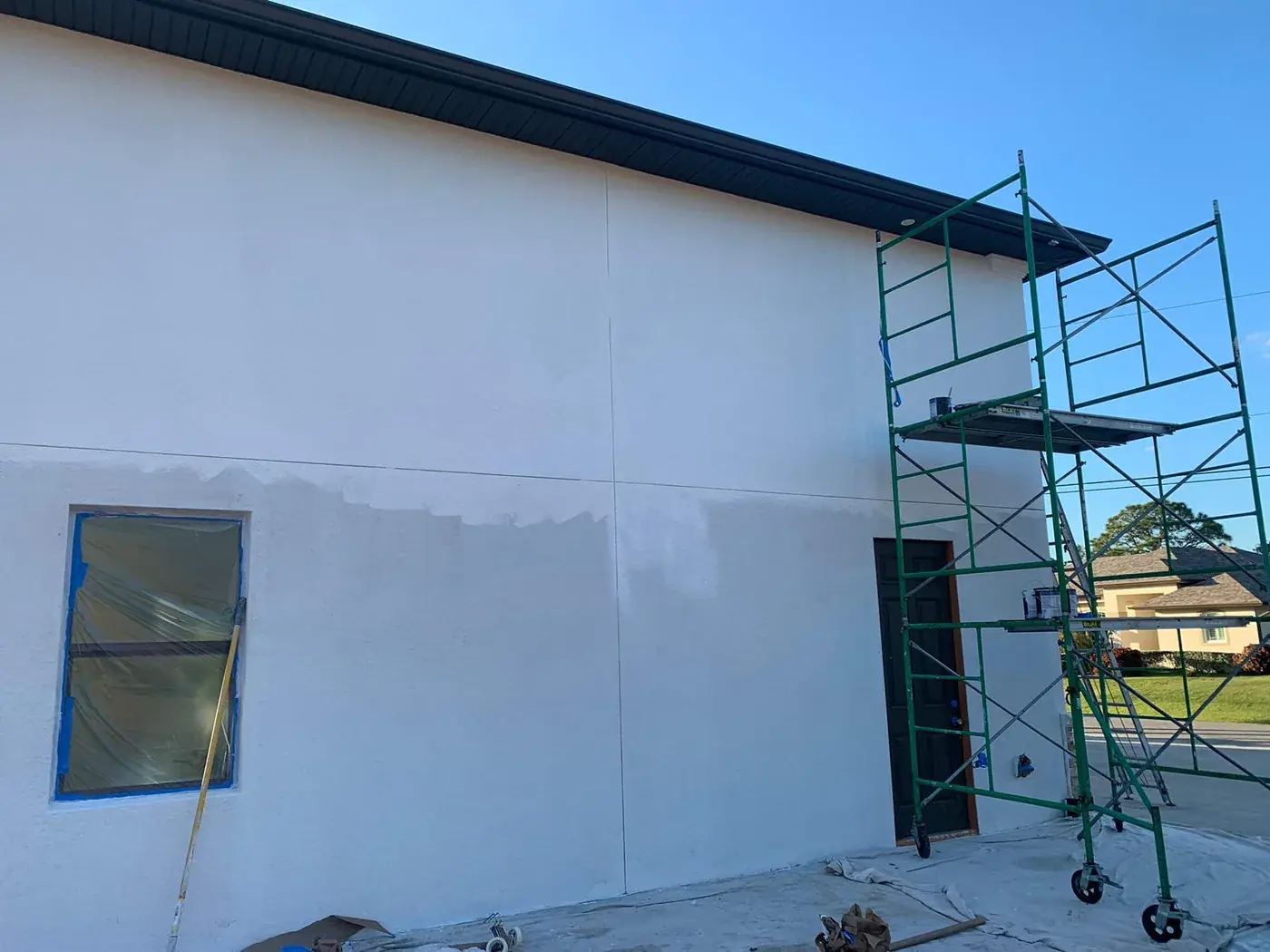
Most Florida HOAs need written ARC approval before you change, or even refresh, exterior colors. Here is what to submit and how to avoid delays.
 Planning
Compare Painting Estimates
Three quotes, three different numbers. Compare scope, prep, coats, products and the walk-through to see which estimates describe the same job.
Planning an exterior repaint?
Send a few photos and the address. You get a detailed written quote and a realistic start date for the season you want.