
Popcorn Ceilings and Asbestos in Florida Homes: Test Before You Scrape
If the house was built before the 1980s, a lab answers the asbestos question in a few days. Nobody should scrape until it does.
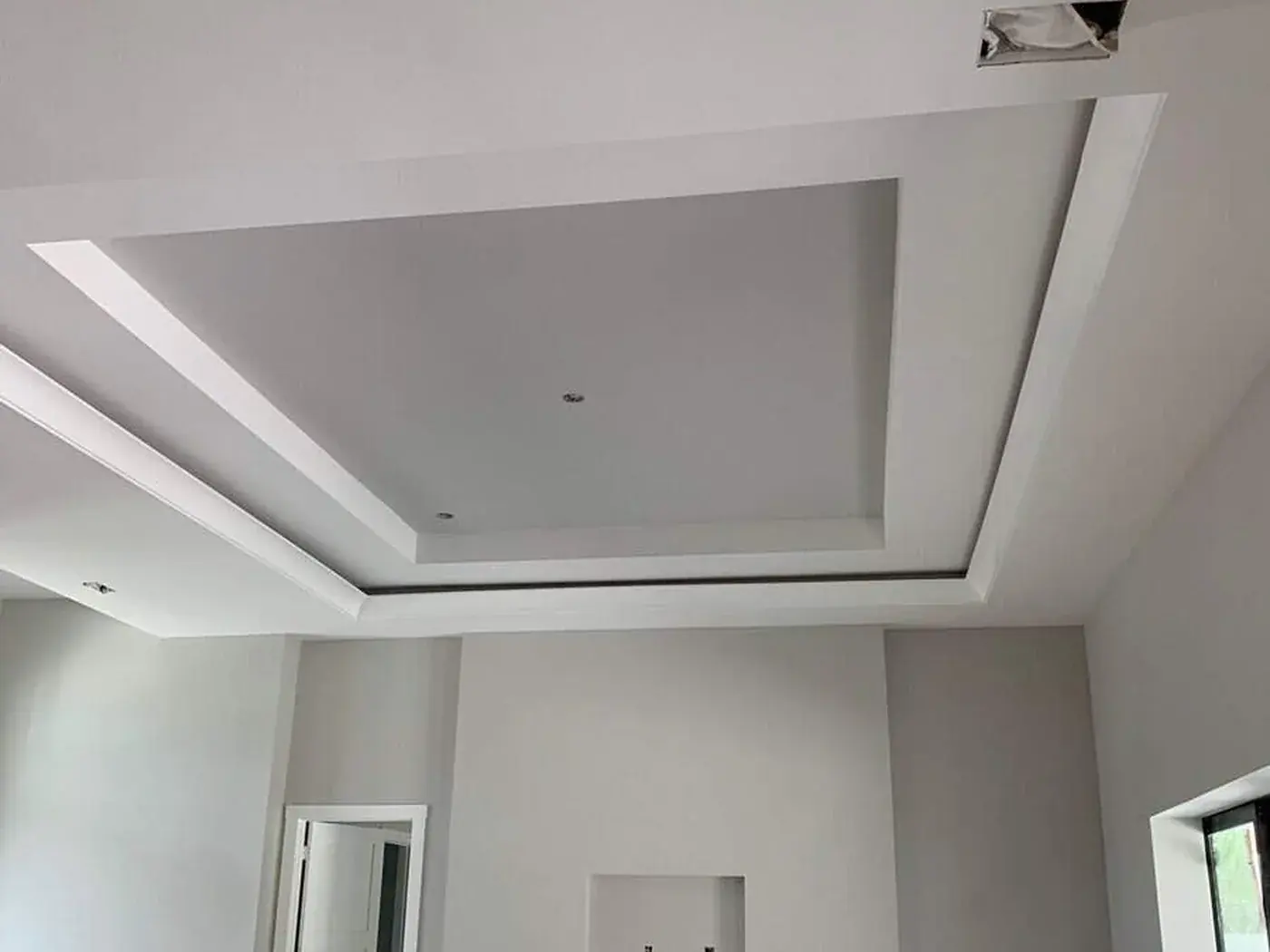
Here is the short answer. If your Florida home was built before the 1980s, or you simply do not know the history of a ceiling, have the popcorn texture tested for asbestos before anyone touches it. A small sample goes to a testing lab and you get a written result within a few days. If the lab finds asbestos, removal is a job for an asbestos abatement specialist, not a painter. If the result is clear, popcorn ceiling removal becomes ordinary interior work: contain, scrape, skim, prime and paint.
The rest of this article explains why the test matters, which houses in Southwest Florida are most likely to need it, how the sampling works and what your options look like on either side of the result.
Why popcorn ceilings and asbestos go together
Spray-on acoustic texture was the builder's friend for decades. It went on fast, hid rough drywall tape and dulled echo in rooms with terrazzo or tile floors. Through the 1960s and 1970s many of those spray mixes used asbestos fibers as a filler. Federal rules restricted spray-applied asbestos texture in the late 1970s, but material already sitting in supply yards kept going onto ceilings for a while after that.
What matters is the condition of the material and what is about to happen to it. An intact ceiling that nobody touches is one situation. The same ceiling being scraped, sanded or drilled turns fibers loose in the air of a closed, air-conditioned house, and the air handler carries them to every room. That is why the test has to come before the scraper, not after.
Florida homes most likely to have it
Age is the first clue, and Southwest Florida has a lot of houses from the right decades.
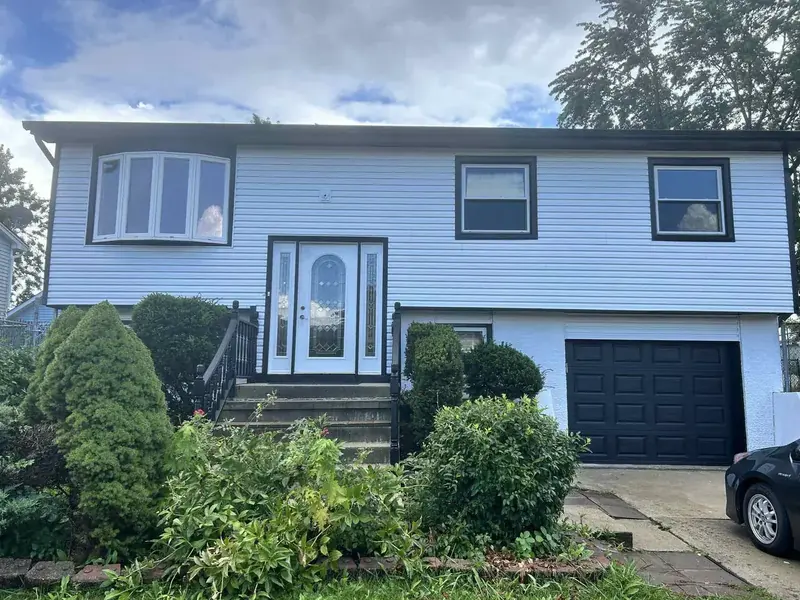
- Block ranch homes from the 1960s to early 1980s — large parts of Port Charlotte and North Port were platted and built out in those years, and textured ceilings were standard in them.
- Older coastal condo buildings — many mid-rise buildings from the 1970s still have original ceilings in units that were updated everywhere else.
- Homes remodeled in phases — an addition, a converted garage or a hallway patched with newer texture can sit next to original material. Two ceilings in one house can give two different results.
- Long-term rentals — after several owners and a couple of quick repaints, nobody may know when the texture went up. Painted-over popcorn looks newer than it is.
A build date in the mid-eighties lowers the odds, but it does not settle the question. When the paperwork is missing or the ceiling does not match the rest of the house, we test.
How popcorn ceiling asbestos testing works
Testing is quick, inexpensive and boring, which is exactly what you want from it.
- A sample is collected. A small piece of texture is taken from an out-of-the-way spot, usually after misting it to keep dust down. Many testing companies send someone to collect it. Some labs accept samples collected by the owner; if you go that route, follow the lab's own instructions to the letter.
- The lab analyzes it. The usual method is microscopy, and the report states whether asbestos was detected, what type and roughly what percentage.
- You get the result in writing. Keep the report. Under federal definitions, material with more than 1% asbestos is treated as asbestos-containing.
- Each distinct texture gets its own sample. If the living room and the back bedroom were sprayed years apart, one test does not cover both.
Turnaround is typically a few business days, and many labs offer faster service if a schedule is tight. We can help you arrange the sample when we come out to look at the job, and we plan the work around the answer.
General information, not legal or medical advice
Rules on who may remove asbestos, how it must be handled and disposed of, and what you need to disclose when selling or renting vary by situation. For your specific case, ask the lab, an abatement specialist, your realtor or your attorney.
What happens if the result is positive
We stop, and the ceiling stays exactly as it is. We do not scrape it, sand it or skim over it, and a respirator and some plastic sheeting do not change that. An asbestos abatement specialist can explain your options, which may include removal or, in some cases, leaving an intact ceiling in place, and they do the work.
A positive result is not the end of the project. Once the ceiling has been cleared and you have the paperwork, we come back for the part that makes the room look new: skim coats across the whole surface, sanding, a drywall primer and two coats of flat ceiling paint. If the abatement leaves torn paper or gouges, that gets handled as drywall and texture repair before the primer goes on.
Please do not try a weekend wet scrape to save time. It is the one shortcut in this trade that can follow a family around for years.
Condos, HOAs and rental turnovers
Condo units
Associations often have their own rules for work that disturbs ceilings: notice to management, approved hours, how debris leaves the building and sometimes their own testing requirements. Ask the manager before you book anything. The answer may change the order of work, and it is far easier to learn it before the elevator is reserved.
Rental properties
Landlords turning a unit between tenants usually want the ceiling done in the same window as the walls. Test early, at the first walkthrough, not the week the unit goes empty. Keep the lab report in the property file so you are not paying for the same question twice. Tenant notice requirements are a question for your attorney or property manager.
Selling the house
If you are about to list, talk to your realtor about whether a test result needs to be disclosed. A clear report can actually help, because buyers in Venice and Englewood ask about popcorn ceilings all the time.
Planning the job after a clear result
Once the lab says the texture is clear, the work runs like any contained interior job. Floors and walls are sheeted, vents sealed, the texture misted and scraped, then the ceiling is skim-coated flat and painted. Humidity is the main variable. Joint compound and primer dry slowly when the dew point sits in the seventies, so summer jobs need the air conditioning running and a little more patience between coats.
Many owners pair ceiling work with a full interior painting job, since the walls usually need attention once the room is emptied anyway. The quote lists the preparation, the coats and the products for each room. If preparation is cut back to save money, we write down which step was left out so nobody is guessing later. You can see how a job is sequenced on our process page.
Popcorn ceiling asbestos questions
Can you tell by looking whether a ceiling has asbestos?
No. Asbestos fibers are not visible to the eye, and texture with and without them looks the same. Only a lab result answers the question.
Our house was built in 1990. Do we still need a test?
Usually not, but it depends on the history. If a ceiling was clearly sprayed at a different time than the rest of the house, or nobody knows when it went up, testing that one area is the sensible move.
Can you just paint over a ceiling that tested positive?
We leave a positive ceiling undisturbed and refer you to an abatement specialist, who can tell you what is reasonable for that ceiling. Once it has been dealt with, we are glad to finish the room.
How long does the whole process take?
Testing takes a few business days. A clear ceiling is then typically two to four days per room for scraping, skim coating, priming and painting, depending on size and humidity.
Painting advice for Florida homes
 Interior
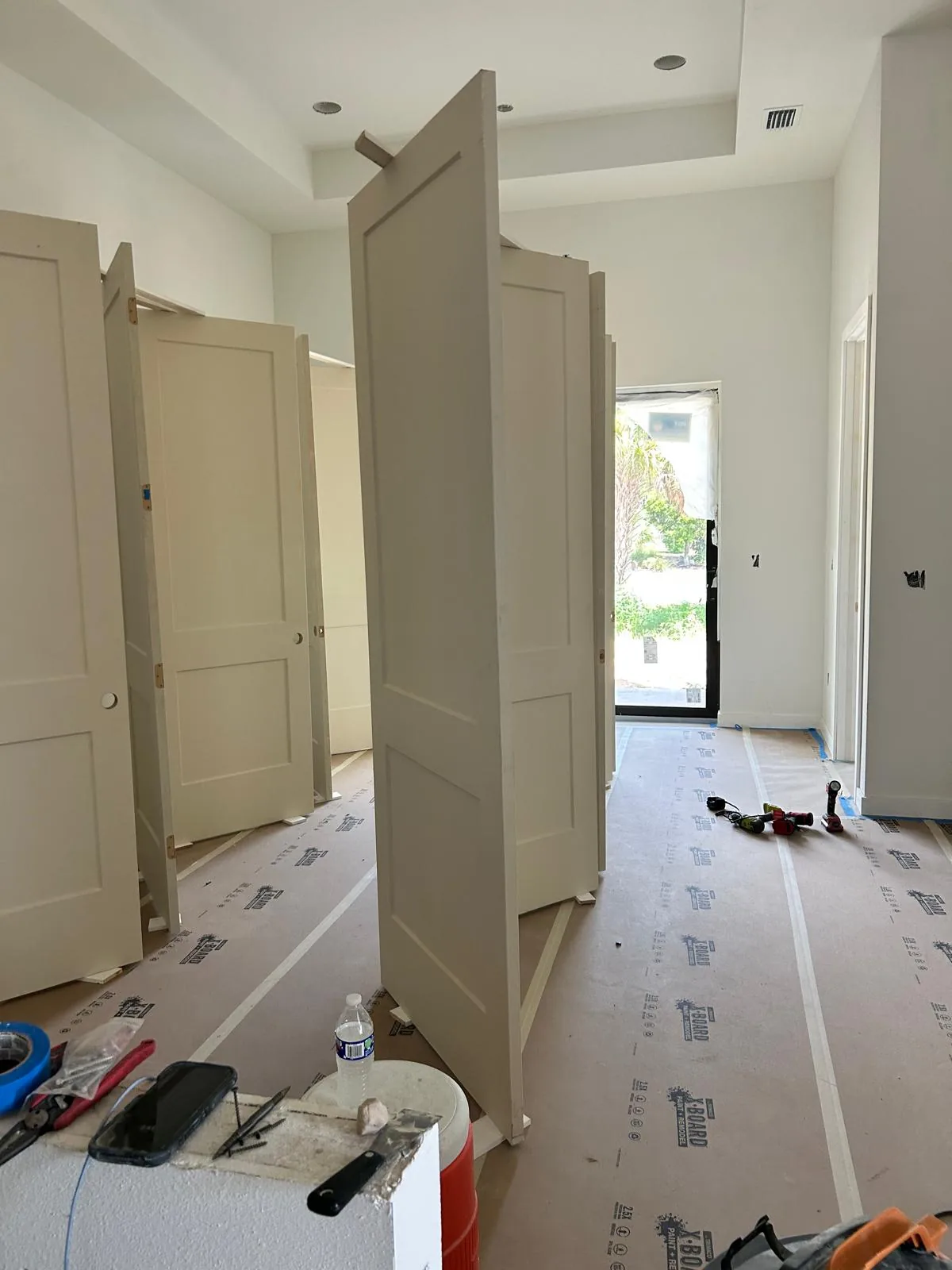
Painting Interior Doors
Painting interior doors is a high-impact project that transforms a room. Discover why professional preparation and spraying are the keys to a factory-like finish.
 Paint & Products
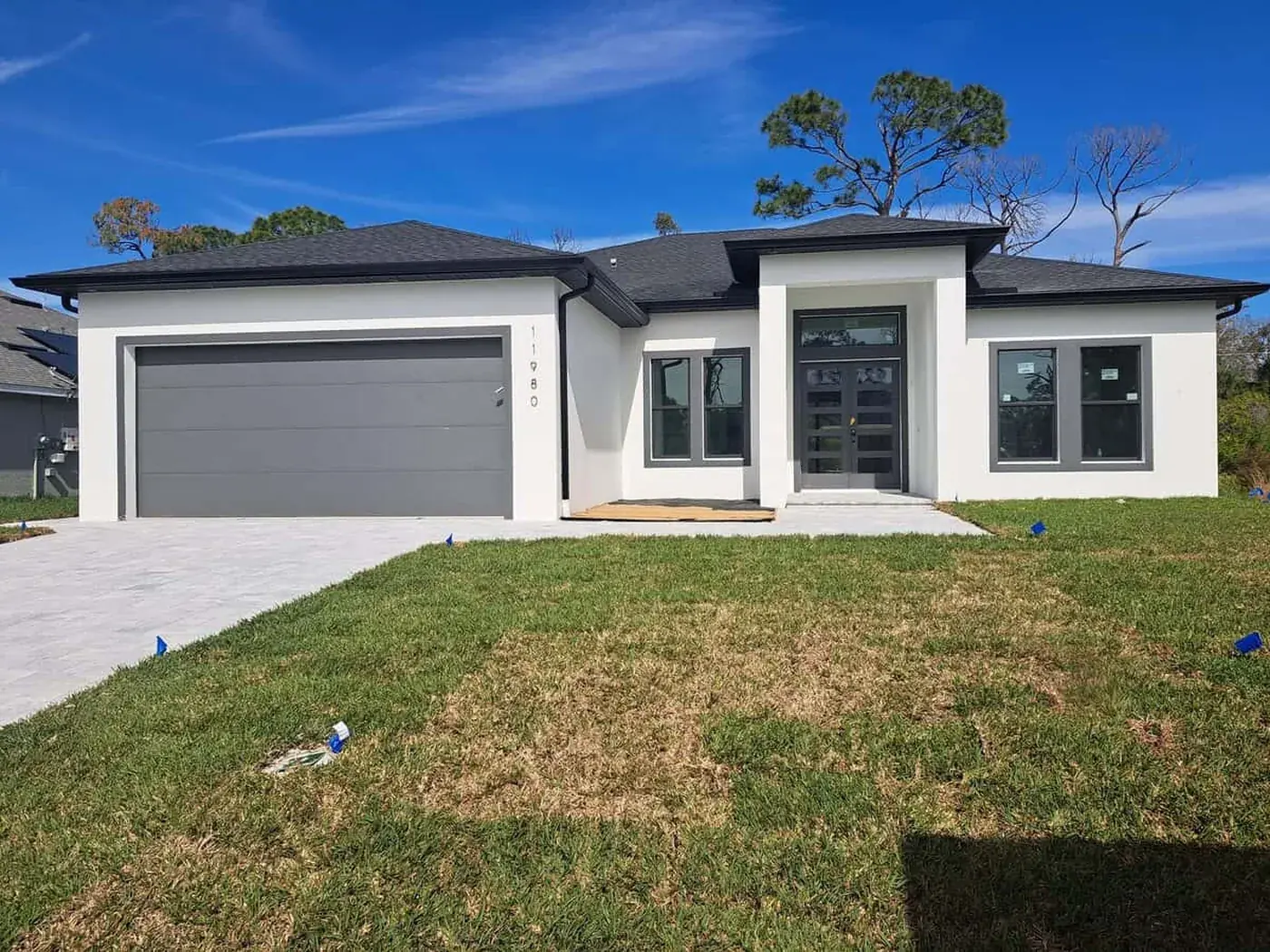
Choosing Exterior Paint
Selecting the right exterior paint is essential for Florida homes. Discover how to balance durability and cost when choosing products for your stucco exterior.
 HOA
HOA Color Approval
Most Florida HOAs need written ARC approval before you change, or even refresh, exterior colors. Here is what to submit and how to avoid delays.
 Planning
Compare Painting Estimates
Three quotes, three different numbers. Compare scope, prep, coats, products and the walk-through to see which estimates describe the same job.
Thinking about taking the popcorn down?
Send a few photos and the year the house was built. We will tell you whether to test first and give you a detailed written estimate.